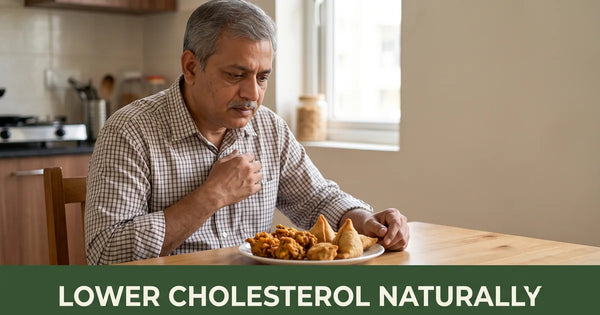
Protecting Your Heart: Essential Tips for Heart Health

CS
Cureayu SEO ✓ Medically reviewed
May 3, 2024 · 4 min read
Protecting Your Heart: Essential Tips for Heart Health

As we all know, the manufacturer of the Covid Shield vaccine has acknowledged the potential adverse effects on heart health in some individuals. With this concern in mind, it's more crucial than ever to prioritize heart health. Heart disease remains a leading cause of death worldwide, and taking proactive steps to care for your heart is paramount. In this blog, we'll explore the main causes of heart disease, common symptoms of heart problems, and essential strategies for maintaining a healthy heart.


Main Causes of Heart Disease

Unhealthy Lifestyle Habits

  • Poor diet high in saturated fats, trans fats, and refined sugars
  • Lack of physical activity and sedentary lifestyle
  • Excessive alcohol consumption
  • Smoking or tobacco use

A diet high in unhealthy fats and sugars raises the risk of heart disease by clogging arteries with plaque. Regular exercise helps maintain weight, lowers blood pressure, and improves heart function. Excessive alcohol consumption raises blood pressure and damages heart muscles. Smoking decreases oxygen levels in the blood, damages blood vessels, and increases the risk of atherosclerosis. These habits emphasize the importance of prioritizing heart-healthy choices.

 Genetic Predisposition

  • Family history of heart disease or related conditions
  • Inherited conditions such as familial hypercholesterolemia

Genetics significantly influence one's vulnerability to heart disease, especially if there's a family history, particularly if heart issues arose early in a close relative's life. Inherited conditions such as familial hypercholesterolemia lead to elevated cholesterol levels, further heightening the risk of heart disease. These genetic factors underscore the importance of proactive heart health management.

 Underlying Health Conditions

  • High blood pressure (hypertension)
  • High cholesterol levels (hyperlipidemia)
  • Diabetes
  • Obesity

High blood pressure strains the heart, heightening the risk of heart attack, stroke, and related complications. Elevated cholesterol levels can cause artery plaque buildup, restricting blood flow to the heart and raising heart disease risk. Diabetes disrupts blood sugar levels, amplifying the likelihood of heart attack and stroke. Obesity burdens the heart and fosters other heart disease risk factors like high blood pressure and diabetes. These factors emphasize the necessity of vigilant heart health management.

Also Read: Heart Attack Rate In India


Symptoms That You May Have Heart Problems

  • Chest Pain or Discomfort: Feeling pressure, tightness, or squeezing in the chest. Pain or discomfort that may radiate to the arms, neck, jaw, back, or abdomen.
  • Shortness of Breath: Difficulty breathing or catching your breath. Feeling breathless with minimal exertion or while lying flat.
  • Fatigue: Persistent tiredness or weakness, even with adequate rest.
  • Palpitations: Sensation of irregular, rapid, or fluttering heartbeat.
  • Swelling: Swelling in the legs, ankles, feet, or abdomen due to fluid retention.


How to Keep Your Heart Healthy

Maintaining a healthy heart involves adopting lifestyle habits that support cardiovascular health. Here are several key strategies to help keep your heart in top condition

 Eat Heart-Healthy Foods

Focus on a balanced diet rich in fruits, vegetables, whole grains, lean proteins, and healthy fats. Limit saturated and trans fats, sodium, and added sugars. Incorporate foods like fatty fish, nuts, seeds, and berries, which are known for their heart-protective properties.

 Don't Use Tobacco

Smoking and other forms of tobacco use significantly increase the risk of heart disease and stroke. Quitting smoking is one of the most impactful steps you can take to protect your heart and improve overall health.

 Avoid Excessive Alcohol

While moderate alcohol consumption may have some cardiovascular benefits, excessive drinking can damage the heart muscle and increase the risk of hypertension, arrhythmias, and cardiomyopathy. Limit alcohol intake to no more than one drink per day for women and two drinks per day for men.

 Exercise Daily

Regular physical activity is essential for heart health. Aim for at least 150 minutes of moderate-intensity aerobic exercise or 75 minutes of vigorous-intensity exercise per week. Incorporate activities like walking, jogging, cycling, swimming, or dancing into your routine to strengthen your heart and improve circulation.

Also Read: Understanding the Importance of Physical Fitness for Well-being

 Maintain a Healthy Weight

Being overweight or obese puts added strain on the heart and increases the risk of cardiovascular disease. Maintain a healthy weight through a combination of a balanced diet and regular exercise.

 Manage Stress

Chronic stress can contribute to heart disease by raising blood pressure and increasing inflammation in the body. Practice stress-reduction techniques such as meditation, deep breathing, yoga, or spending time in nature to promote relaxation and emotional well-being.

 Natural Supplements

In addition to lifestyle modifications, natural supplements can complement your efforts to support heart health. One notable supplement is Heart Tone Capsules.


Best Ayurvedic Supplement to Improve Heart Health

Ayurveda, the ancient Indian system of medicine, holds significant importance in maintaining heart health. With its holistic approach to well-being, Ayurveda emphasizes the balance of mind, body, and spirit for optimal health. Through the use of natural herbs, lifestyle modifications, and dietary recommendations, Ayurveda offers effective solutions for preventing and managing heart disease.


Among the array of Ayurvedic remedies, Heart Tone Capsules stand out as one of the best supplements for promoting heart health. Heart Tone Capsules are formulated with a potent blend of Ayurvedic herbs known for their cardiovascular benefits. Ingredients like Arjuna, Amla, Tulsi, Giloy, Dalchini, Garlic, Ginger, Parwal, and Gotu Kola have been traditionally used to lower cholesterol, regulate blood pressure, and promote overall heart function.

Also Read: How to Maintain Normal Blood Pressure for a Healthier Life


Conclusion

Taking care of your heart is a lifelong journey that requires dedication and commitment to healthy habits. By following a heart-healthy diet, avoiding tobacco and excessive alcohol, staying physically active, managing stress, and incorporating natural supplements like Heart Tone Capsules, you can reduce the risk of heart disease and enjoy a vibrant, fulfilling life. Prioritize your heart health today for a happier, healthier tomorrow.

Cureayu Heart Tone™ Capsules−41%
MENTIONED IN THIS ARTICLE
Cureayu Heart Tone™ Capsules
★ 4.76 · 550 reviews
₹699 ₹1,199
CS
Written & reviewed by Cureayu SEO
Ayurvedic physician focused on kidney, urinary and metabolic wellness. Reviews all Cureayu health content. Medically reviewed Nov 20, 2024.

Disclaimer: Educational content, not a substitute for professional medical advice. Consult a qualified physician before starting any supplement.


ShareWAfX⧉

Protecting Your Heart: Essential Tips for Heart Health

CS
Cureayu SEO ✓ Medically reviewed
May 3, 2024 · 4 min read
Protecting Your Heart: Essential Tips for Heart Health

As we all know, the manufacturer of the Covid Shield vaccine has acknowledged the potential adverse effects on heart health in some individuals. With this concern in mind, it's more crucial than ever to prioritize heart health. Heart disease remains a leading cause of death worldwide, and taking proactive steps to care for your heart is paramount. In this blog, we'll explore the main causes of heart disease, common symptoms of heart problems, and essential strategies for maintaining a healthy heart.


Main Causes of Heart Disease

Unhealthy Lifestyle Habits

  • Poor diet high in saturated fats, trans fats, and refined sugars
  • Lack of physical activity and sedentary lifestyle
  • Excessive alcohol consumption
  • Smoking or tobacco use

A diet high in unhealthy fats and sugars raises the risk of heart disease by clogging arteries with plaque. Regular exercise helps maintain weight, lowers blood pressure, and improves heart function. Excessive alcohol consumption raises blood pressure and damages heart muscles. Smoking decreases oxygen levels in the blood, damages blood vessels, and increases the risk of atherosclerosis. These habits emphasize the importance of prioritizing heart-healthy choices.

 Genetic Predisposition

  • Family history of heart disease or related conditions
  • Inherited conditions such as familial hypercholesterolemia

Genetics significantly influence one's vulnerability to heart disease, especially if there's a family history, particularly if heart issues arose early in a close relative's life. Inherited conditions such as familial hypercholesterolemia lead to elevated cholesterol levels, further heightening the risk of heart disease. These genetic factors underscore the importance of proactive heart health management.

 Underlying Health Conditions

  • High blood pressure (hypertension)
  • High cholesterol levels (hyperlipidemia)
  • Diabetes
  • Obesity

High blood pressure strains the heart, heightening the risk of heart attack, stroke, and related complications. Elevated cholesterol levels can cause artery plaque buildup, restricting blood flow to the heart and raising heart disease risk. Diabetes disrupts blood sugar levels, amplifying the likelihood of heart attack and stroke. Obesity burdens the heart and fosters other heart disease risk factors like high blood pressure and diabetes. These factors emphasize the necessity of vigilant heart health management.

Also Read: Heart Attack Rate In India


Symptoms That You May Have Heart Problems

  • Chest Pain or Discomfort: Feeling pressure, tightness, or squeezing in the chest. Pain or discomfort that may radiate to the arms, neck, jaw, back, or abdomen.
  • Shortness of Breath: Difficulty breathing or catching your breath. Feeling breathless with minimal exertion or while lying flat.
  • Fatigue: Persistent tiredness or weakness, even with adequate rest.
  • Palpitations: Sensation of irregular, rapid, or fluttering heartbeat.
  • Swelling: Swelling in the legs, ankles, feet, or abdomen due to fluid retention.


How to Keep Your Heart Healthy

Maintaining a healthy heart involves adopting lifestyle habits that support cardiovascular health. Here are several key strategies to help keep your heart in top condition

 Eat Heart-Healthy Foods

Focus on a balanced diet rich in fruits, vegetables, whole grains, lean proteins, and healthy fats. Limit saturated and trans fats, sodium, and added sugars. Incorporate foods like fatty fish, nuts, seeds, and berries, which are known for their heart-protective properties.

 Don't Use Tobacco

Smoking and other forms of tobacco use significantly increase the risk of heart disease and stroke. Quitting smoking is one of the most impactful steps you can take to protect your heart and improve overall health.

 Avoid Excessive Alcohol

While moderate alcohol consumption may have some cardiovascular benefits, excessive drinking can damage the heart muscle and increase the risk of hypertension, arrhythmias, and cardiomyopathy. Limit alcohol intake to no more than one drink per day for women and two drinks per day for men.

 Exercise Daily

Regular physical activity is essential for heart health. Aim for at least 150 minutes of moderate-intensity aerobic exercise or 75 minutes of vigorous-intensity exercise per week. Incorporate activities like walking, jogging, cycling, swimming, or dancing into your routine to strengthen your heart and improve circulation.

Also Read: Understanding the Importance of Physical Fitness for Well-being

 Maintain a Healthy Weight

Being overweight or obese puts added strain on the heart and increases the risk of cardiovascular disease. Maintain a healthy weight through a combination of a balanced diet and regular exercise.

 Manage Stress

Chronic stress can contribute to heart disease by raising blood pressure and increasing inflammation in the body. Practice stress-reduction techniques such as meditation, deep breathing, yoga, or spending time in nature to promote relaxation and emotional well-being.

 Natural Supplements

In addition to lifestyle modifications, natural supplements can complement your efforts to support heart health. One notable supplement is Heart Tone Capsules.


Best Ayurvedic Supplement to Improve Heart Health

Ayurveda, the ancient Indian system of medicine, holds significant importance in maintaining heart health. With its holistic approach to well-being, Ayurveda emphasizes the balance of mind, body, and spirit for optimal health. Through the use of natural herbs, lifestyle modifications, and dietary recommendations, Ayurveda offers effective solutions for preventing and managing heart disease.


Among the array of Ayurvedic remedies, Heart Tone Capsules stand out as one of the best supplements for promoting heart health. Heart Tone Capsules are formulated with a potent blend of Ayurvedic herbs known for their cardiovascular benefits. Ingredients like Arjuna, Amla, Tulsi, Giloy, Dalchini, Garlic, Ginger, Parwal, and Gotu Kola have been traditionally used to lower cholesterol, regulate blood pressure, and promote overall heart function.

Also Read: How to Maintain Normal Blood Pressure for a Healthier Life


Conclusion

Taking care of your heart is a lifelong journey that requires dedication and commitment to healthy habits. By following a heart-healthy diet, avoiding tobacco and excessive alcohol, staying physically active, managing stress, and incorporating natural supplements like Heart Tone Capsules, you can reduce the risk of heart disease and enjoy a vibrant, fulfilling life. Prioritize your heart health today for a happier, healthier tomorrow.

CS
Written & reviewed by Cureayu SEO
Ayurvedic physician focused on kidney, urinary and metabolic wellness. Reviews all Cureayu health content. Medically reviewed Nov 20, 2024.

Disclaimer: Educational content, not a substitute for professional medical advice. Consult a qualified physician before starting any supplement.