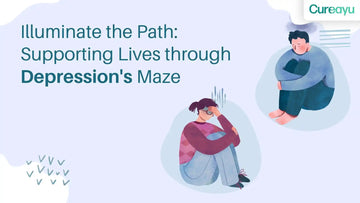
In our dynamic society, the narrative surrounding mental health has garnered overdue attention. Among its various manifestations, depression stands out as a pervasive concern affecting individuals across all walks of life. As conversations around mental well-being gain momentum, understanding depression’s nuances becomes imperative. This mental health condition, characterized by profound emotional turmoil, warrants a closer examination. This comprehensive discussion aims to unravel the layers of depression, delineating its multifaceted nature, highlighting signs, causes, and treatment options to foster greater awareness and support.
What Is Depression
Depression is a mental health disorder characterized by persistent feelings of sadness, hopelessness, and a loss of interest in activities once enjoyed. It can affect how you feel, think, and handle daily activities, leading to a range of emotional and physical problems.
Also Read: Benefits Of Deep Breathing & How To Practice It
Signs And Symptoms Of Depression
Recognizing the signs of depression is vital for early intervention:
- Persistent feelings of sadness or emptiness
- Loss of interest in hobbies or activities
- Changes in appetite or weight
- Sleep disturbances – insomnia or oversleeping
- Fatigue or lack of energy
- Feelings of worthlessness or guilt
- Difficulty concentrating or making decisions
- Thoughts of death or suicide
Causes of Depression
Depression doesn’t have a single cause; rather, it results from a combination of factors:
- Biological factors such as genetics, brain chemistry, and hormones
- Environmental factors like trauma, stress, or loss
- Psychological factors including personality, low self-esteem, or coping style
Complications Of Major Depressive Disorder
Untreated depression can lead to severe complications:
- Substance abuse
- Relationship conflicts
- Social isolation
- Chronic pain or illness
- Self-harm or suicidal thoughts
Also Read: Exploring the Types and Strategies for a Stress-Free Life
Risk Factors
Several factors can increase the risk of developing depression:
- Family history of depression
- Trauma or stressful life events
- Certain medical conditions or medications
- Substance abuse
Prevention
- Regular physical exercise: Engaging in regular workouts or activities promotes the release of endorphins, improving mood and reducing the risk of depression.
- Nurturing social connections: Cultivating strong relationships and fostering a supportive social network can provide a sense of belonging and emotional support.
- Stress management techniques: Learning and practicing stress-reduction methods such as mindfulness, meditation, or yoga helps in managing life’s challenges.
- Balanced lifestyle: Maintaining a healthy diet, adequate sleep, and avoiding substance abuse can positively impact mental health.
- Seeking professional guidance: Consulting therapists or counselors during challenging times can equip individuals with coping strategies and resilience-building techniques.
Also Read: Understanding the Importance of Physical Fitness for Well-being
When To See A Doctor
- Persistent feelings of sadness or hopelessness that interfere with daily life
- Changes in appetite, sleep patterns, or behavior that persist over time
- Thoughts of self-harm, suicide, or feelings of worthlessness
- Inability to enjoy previously pleasurable activities
- Impaired functioning at work, school, or in relationships due to emotional distress
Conclusion
Depression is a complex condition with multifaceted causes and symptoms. Recognizing the signs, seeking professional help, and fostering a supportive environment are crucial steps towards managing and treating depression. Remember, reaching out for help is a sign of strength, and with the right support, it’s possible to navigate through this challenging condition towards healing and recovery.