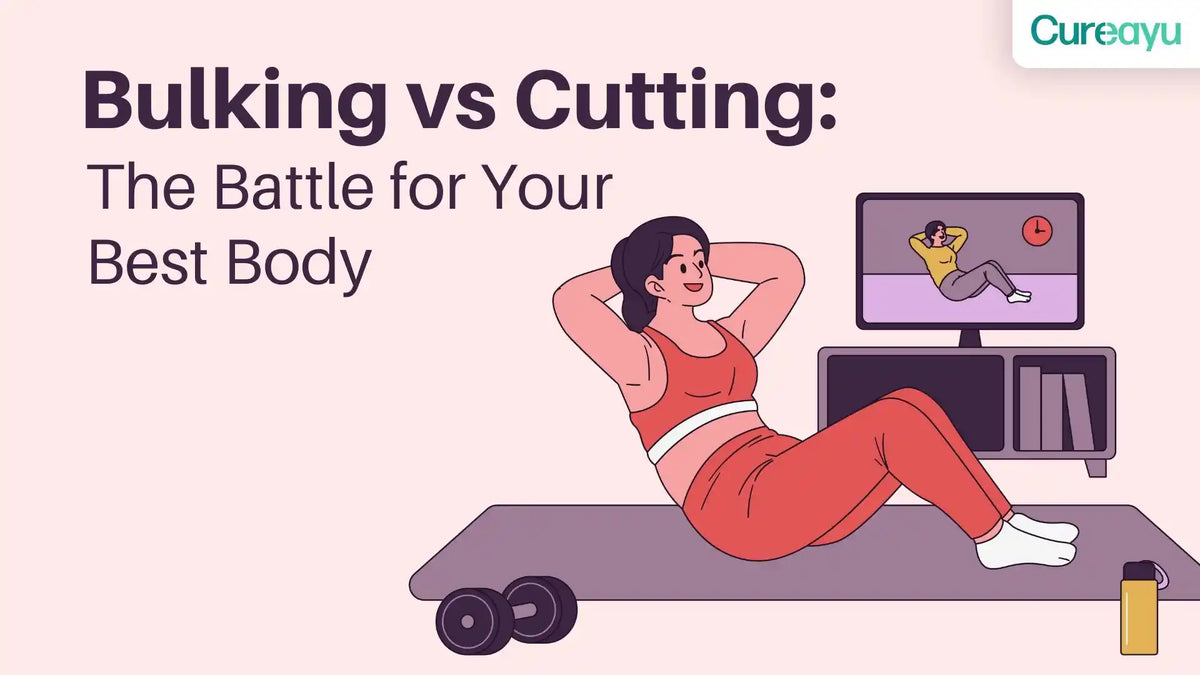
Bulk vs Cut: Key Strategies for Building and Sculpting Your Ideal Physique

CS
Cureayu SEO ✓ Medically reviewed
May 13, 2024 · 5 min read
bulk vs cut

In the world of fitness, bulk vs cut are two fundamental phases that shape your journey toward achieving your ideal physique. Whether you want to add muscle mass or reveal a lean, sculpted look, understanding these strategies is essential. Bulking vs cutting involves distinct approaches: bulking focuses on consuming a calorie surplus to build muscle, while cutting aims to shed excess fat, revealing the muscle underneath. Both require discipline, consistency, and a tailored approach to suit your body's unique needs.

Also Read: How To Lose Weight Without Exercise: Proven Tips for a Healthier You


What Is Bulking?

During the bulk phase, the goal is to increase muscle mass by consuming more calories than your body burns. This bulk body vs cut body transition is powered by strategic eating and a structured strength training regimen. Protein is crucial during bulking to support muscle growth, while carbohydrates provide the energy needed for intense workouts. While you may gain some body fat in this phase, the ultimate goal is to maximize muscle growth. Embrace the size gains, knowing that you’ll shed the fat later during the cut phase.


What Is Cutting?

Cutting is all about reducing body fat while maintaining lean muscle mass. You create a calorie deficit by consuming fewer calories than your body expends, but it's important to still prioritize protein intake. While cutting, carbs and fats are adjusted to ensure you meet energy requirements without going overboard. Cardiovascular exercise is often added to speed up fat loss, but resistance training remains a cornerstone to maintain your hard-earned muscle.

Also Read: Benefits of Exercise: Understanding the Importance of Physical Fitness for Well-being


Difference Between Bulking and Cutting

The primary differences between bulk vs cut come down to goals, caloric intake, nutrient focus, and training style:

  • Goal: Bulking aims to increase muscle mass, while cutting reduces body fat.
  • Caloric Intake: Bulking involves a caloric surplus, while cutting requires a caloric deficit.
  • Nutrient Focus: During bulking, protein is emphasized for muscle growth, while cutting emphasizes micronutrients and fiber to promote satiety and metabolism.
  • Training: Bulking centers on heavy lifting to stimulate muscle growth, while cutting includes more cardio to aid in fat loss.
  • Duration: Bulking phases are usually longer, as building muscle is a slower process compared to shedding fat.


    How to Start a Bulk Body

    To effectively start a bulk body, follow these key steps:

    1. Calculate your maintenance calories and add a surplus.
    2. Focus on compound lifts like squats and deadlifts to stimulate overall muscle growth.
    3. Ensure you're consuming adequate protein, carbs, and healthy fats.
    4. Monitor progress and adjust your calorie intake if you're not seeing the desired gains.
    5. Prioritize rest and recovery, as muscles grow during recovery, not just in the gym.


    How to Start a Cut Body

    To kick off your cut body journey, here's what you should do:

    1. Calculate your maintenance calories and create a calorie deficit.
    2. Focus on high-protein foods to preserve muscle while losing fat.
    3. Incorporate plenty of fibrous vegetables and lean proteins to stay full on fewer calories.
    4. Stay hydrated and avoid sugary drinks.
    5. Combine resistance training with cardio for optimal fat loss.

    Also Read: Understanding Which Age is Best for Gym Workouts: When Should You Start Exercising


    Bulking Diet

    Your diet plays a critical role in your bulking vs cutting journey. During bulking, the focus is on nutrient-dense, high-calorie foods that fuel muscle growth.


    Foods to Eat During Bulking:

    • Lean meats: Chicken breast, turkey, lean beef.
    • Whole grains: Brown rice, quinoa, oats.
    • Nuts and seeds: Almonds, walnuts, chia seeds.
    • Fruits: Berries, bananas, apples.
    • Vegetables: Spinach, broccoli, peppers.


    Foods to Limit During Bulking:

    • Processed foods like chips, cookies, and pre-packaged meals.
    • Sugary snacks: Candy, pastries, sugary cereals.
    • Excessive alcohol, refined carbs, and fried foods.


    Cutting Diet

    During cutting, you’ll focus on lower-calorie, nutrient-dense foods that promote fat loss while preserving muscle.


    Foods to Eat During Cutting:

    • Lean protein: Chicken breast, fish, tofu.
    • Leafy greens: Spinach, kale, Swiss chard.
    • Cruciferous vegetables: Broccoli, cauliflower, Brussels sprouts.
    • Complex carbs: Sweet potatoes, quinoa, lentils.
    • Healthy fats: Avocado, olive oil, nuts.


    Foods to Limit During Cutting:

    • Sugary drinks, processed snacks, refined carbs.
    • High-calorie sauces like BBQ sauce and creamy dressings.
    • Fried foods.

    Also Read: The Incredible Benefits of Leg Workouts: Why Skipping Leg Day is a Mistake You Can’t Afford


    Pros and Cons of Bulking and Cutting

    When considering cut or bulk, it’s important to weigh the pros and cons of each phase.


    Pros of Bulking:

    • Increased muscle mass: Leads to a more muscular physique.
    • Improved strength: The surplus of calories boosts energy for intense workouts.
    • Enhanced metabolism: More muscle requires more energy to maintain.


    Cons of Bulking:

    • Potential fat gain: You may gain some fat along with muscle.
    • Calorie tracking: Requires precise monitoring of intake.
    • Bloating: Consuming a surplus can sometimes feel uncomfortable.


    Pros of Cutting:

    • Reduced body fat: A leaner, more defined physique.
    • Improved muscle definition: Fat loss reveals muscle striations.
    • Increased vascularity: Lower body fat enhances muscle definition.


    Cons of Cutting:

    • Potential muscle loss: A calorie deficit can lead to muscle breakdown.
    • Decreased strength: You may feel weaker due to lower energy intake.
    • Increased hunger: Lower calories can lead to cravings.


    How To Achieve the Best Results

    To succeed in your bulk vs cut journey, remember that both phases require commitment and patience. Here's how to get the best results:


    For Bulking:

    • Set realistic goals and track progress regularly, focusing on strength gains.
    • Be consistent in your diet and exercise program, ensuring you meet your calorie and macro targets.
    • Listen to your body and make adjustments if needed. Rest and recovery are just as important as training.


    For Cutting:

    • Set clear fat-loss goals and track your progress, adjusting calorie intake as needed.
    • Stick to a balanced diet rich in protein, fiber, and healthy fats, while maintaining a structured workout routine.
    • Monitor hunger levels and energy, adjusting your plan to avoid excessive fatigue or cravings.


    Conclusion

    In the bulk vs cut debate, the right approach depends on your current body composition and goals. Whether you choose to cut or bulk first, remember that each phase plays a vital role in transforming your physique. Stay consistent, listen to your body, and most importantly, enjoy the process. With dedication and focus, you’ll be well on your way to building the body of your dreams!

    CS
    Written & reviewed by Cureayu SEO
    Ayurvedic physician focused on kidney, urinary and metabolic wellness. Reviews all Cureayu health content. Medically reviewed Nov 19, 2024.

    Disclaimer: Educational content, not a substitute for professional medical advice. Consult a qualified physician before starting any supplement.

    ShareWAfX⧉

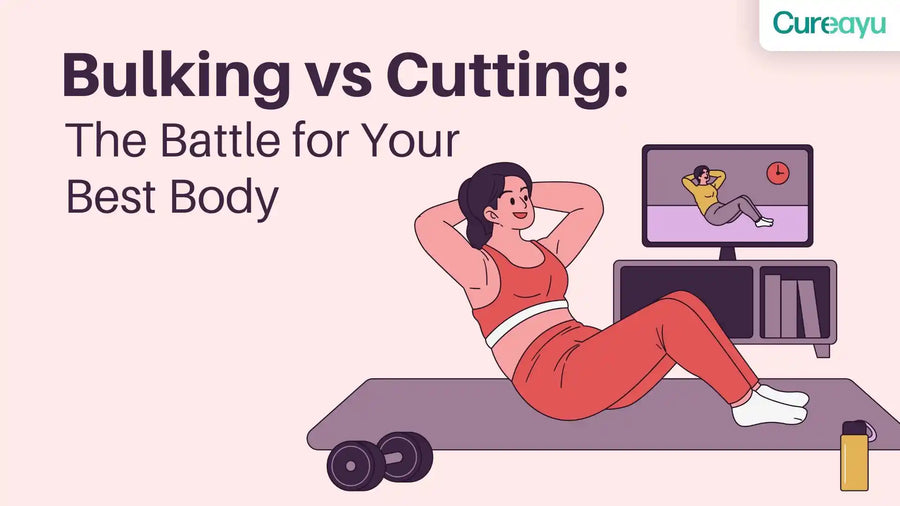
    Bulk vs Cut: Key Strategies for Building and Sculpting Your Ideal Physique
    CS
    Cureayu SEO ✓ Medically reviewed
    May 13, 2024 · 5 min read
    bulk vs cut

    In the world of fitness, bulk vs cut are two fundamental phases that shape your journey toward achieving your ideal physique. Whether you want to add muscle mass or reveal a lean, sculpted look, understanding these strategies is essential. Bulking vs cutting involves distinct approaches: bulking focuses on consuming a calorie surplus to build muscle, while cutting aims to shed excess fat, revealing the muscle underneath. Both require discipline, consistency, and a tailored approach to suit your body's unique needs.

    Also Read: How To Lose Weight Without Exercise: Proven Tips for a Healthier You


    What Is Bulking?

    During the bulk phase, the goal is to increase muscle mass by consuming more calories than your body burns. This bulk body vs cut body transition is powered by strategic eating and a structured strength training regimen. Protein is crucial during bulking to support muscle growth, while carbohydrates provide the energy needed for intense workouts. While you may gain some body fat in this phase, the ultimate goal is to maximize muscle growth. Embrace the size gains, knowing that you’ll shed the fat later during the cut phase.


    What Is Cutting?

    Cutting is all about reducing body fat while maintaining lean muscle mass. You create a calorie deficit by consuming fewer calories than your body expends, but it's important to still prioritize protein intake. While cutting, carbs and fats are adjusted to ensure you meet energy requirements without going overboard. Cardiovascular exercise is often added to speed up fat loss, but resistance training remains a cornerstone to maintain your hard-earned muscle.

    Also Read: Benefits of Exercise: Understanding the Importance of Physical Fitness for Well-being


    Difference Between Bulking and Cutting

    The primary differences between bulk vs cut come down to goals, caloric intake, nutrient focus, and training style:

    • Goal: Bulking aims to increase muscle mass, while cutting reduces body fat.
    • Caloric Intake: Bulking involves a caloric surplus, while cutting requires a caloric deficit.
    • Nutrient Focus: During bulking, protein is emphasized for muscle growth, while cutting emphasizes micronutrients and fiber to promote satiety and metabolism.
    • Training: Bulking centers on heavy lifting to stimulate muscle growth, while cutting includes more cardio to aid in fat loss.
    • Duration: Bulking phases are usually longer, as building muscle is a slower process compared to shedding fat.


      How to Start a Bulk Body

      To effectively start a bulk body, follow these key steps:

      1. Calculate your maintenance calories and add a surplus.
      2. Focus on compound lifts like squats and deadlifts to stimulate overall muscle growth.
      3. Ensure you're consuming adequate protein, carbs, and healthy fats.
      4. Monitor progress and adjust your calorie intake if you're not seeing the desired gains.
      5. Prioritize rest and recovery, as muscles grow during recovery, not just in the gym.


      How to Start a Cut Body

      To kick off your cut body journey, here's what you should do:

      1. Calculate your maintenance calories and create a calorie deficit.
      2. Focus on high-protein foods to preserve muscle while losing fat.
      3. Incorporate plenty of fibrous vegetables and lean proteins to stay full on fewer calories.
      4. Stay hydrated and avoid sugary drinks.
      5. Combine resistance training with cardio for optimal fat loss.

      Also Read: Understanding Which Age is Best for Gym Workouts: When Should You Start Exercising


      Bulking Diet

      Your diet plays a critical role in your bulking vs cutting journey. During bulking, the focus is on nutrient-dense, high-calorie foods that fuel muscle growth.


      Foods to Eat During Bulking:

      • Lean meats: Chicken breast, turkey, lean beef.
      • Whole grains: Brown rice, quinoa, oats.
      • Nuts and seeds: Almonds, walnuts, chia seeds.
      • Fruits: Berries, bananas, apples.
      • Vegetables: Spinach, broccoli, peppers.


      Foods to Limit During Bulking:

      • Processed foods like chips, cookies, and pre-packaged meals.
      • Sugary snacks: Candy, pastries, sugary cereals.
      • Excessive alcohol, refined carbs, and fried foods.


      Cutting Diet

      During cutting, you’ll focus on lower-calorie, nutrient-dense foods that promote fat loss while preserving muscle.


      Foods to Eat During Cutting:

      • Lean protein: Chicken breast, fish, tofu.
      • Leafy greens: Spinach, kale, Swiss chard.
      • Cruciferous vegetables: Broccoli, cauliflower, Brussels sprouts.
      • Complex carbs: Sweet potatoes, quinoa, lentils.
      • Healthy fats: Avocado, olive oil, nuts.


      Foods to Limit During Cutting:

      • Sugary drinks, processed snacks, refined carbs.
      • High-calorie sauces like BBQ sauce and creamy dressings.
      • Fried foods.

      Also Read: The Incredible Benefits of Leg Workouts: Why Skipping Leg Day is a Mistake You Can’t Afford


      Pros and Cons of Bulking and Cutting

      When considering cut or bulk, it’s important to weigh the pros and cons of each phase.


      Pros of Bulking:

      • Increased muscle mass: Leads to a more muscular physique.
      • Improved strength: The surplus of calories boosts energy for intense workouts.
      • Enhanced metabolism: More muscle requires more energy to maintain.


      Cons of Bulking:

      • Potential fat gain: You may gain some fat along with muscle.
      • Calorie tracking: Requires precise monitoring of intake.
      • Bloating: Consuming a surplus can sometimes feel uncomfortable.


      Pros of Cutting:

      • Reduced body fat: A leaner, more defined physique.
      • Improved muscle definition: Fat loss reveals muscle striations.
      • Increased vascularity: Lower body fat enhances muscle definition.


      Cons of Cutting:

      • Potential muscle loss: A calorie deficit can lead to muscle breakdown.
      • Decreased strength: You may feel weaker due to lower energy intake.
      • Increased hunger: Lower calories can lead to cravings.


      How To Achieve the Best Results

      To succeed in your bulk vs cut journey, remember that both phases require commitment and patience. Here's how to get the best results:


      For Bulking:

      • Set realistic goals and track progress regularly, focusing on strength gains.
      • Be consistent in your diet and exercise program, ensuring you meet your calorie and macro targets.
      • Listen to your body and make adjustments if needed. Rest and recovery are just as important as training.


      For Cutting:

      • Set clear fat-loss goals and track your progress, adjusting calorie intake as needed.
      • Stick to a balanced diet rich in protein, fiber, and healthy fats, while maintaining a structured workout routine.
      • Monitor hunger levels and energy, adjusting your plan to avoid excessive fatigue or cravings.


      Conclusion

      In the bulk vs cut debate, the right approach depends on your current body composition and goals. Whether you choose to cut or bulk first, remember that each phase plays a vital role in transforming your physique. Stay consistent, listen to your body, and most importantly, enjoy the process. With dedication and focus, you’ll be well on your way to building the body of your dreams!

      CS
      Written & reviewed by Cureayu SEO
      Ayurvedic physician focused on kidney, urinary and metabolic wellness. Reviews all Cureayu health content. Medically reviewed Nov 19, 2024.

      Disclaimer: Educational content, not a substitute for professional medical advice. Consult a qualified physician before starting any supplement.