Understanding and Managing Weight Gain During Pregnancy: A Comprehensive Guide

CS
Cureayu SEO ✓ Medically reviewed
Aug 21, 2024 · 5 min read
weight gain during pregnancy

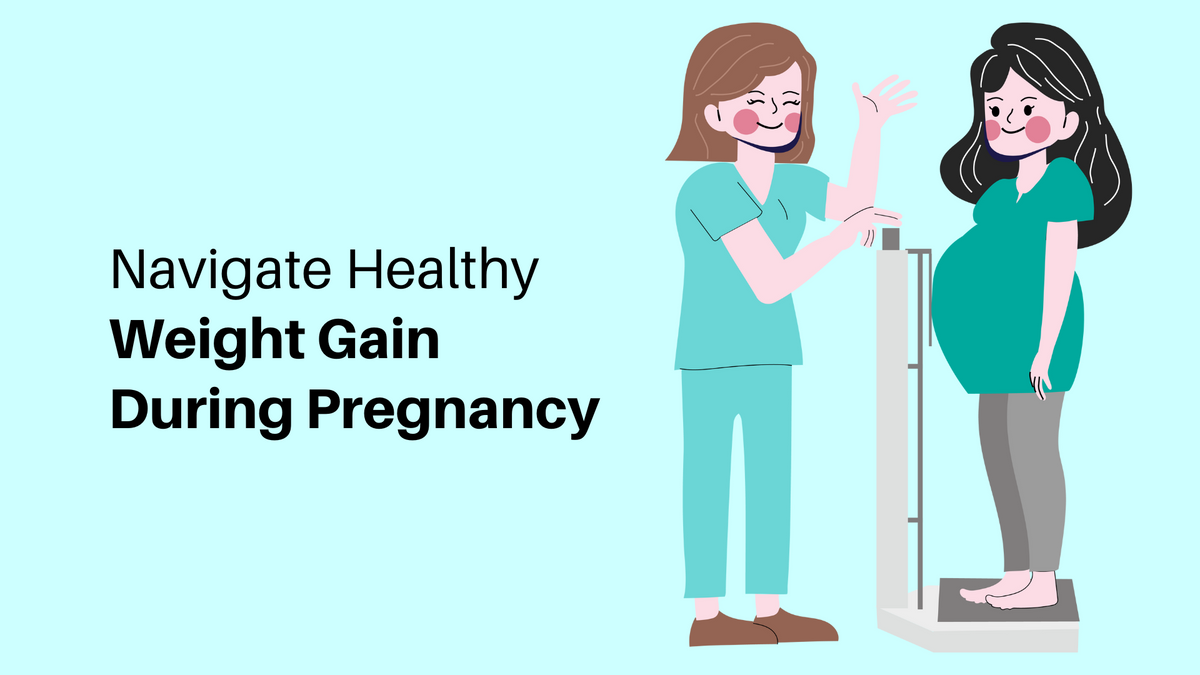
Pregnancy is a monumental experience filled with joy, anticipation, and numerous physical changes. As a woman's body adapts to nurture a growing baby, various transformations occur. Among these changes, weight gain is one of the most obvious and sometimes concerning aspects. Gaining weight during pregnancy is natural and essential for the well-being of both mother and baby. However, understanding the appropriate amount of weight to gain, along with the factors influencing it, is crucial for overall health.


Weight gain during pregnancy isn't just about the number on the scale; it involves a complex interplay of factors, such as the mother's pre-pregnancy weight, metabolic rate, nutritional status, and lifestyle. This blog aims to offer a detailed perspective on weight gain during pregnancy, how much weight is considered healthy, common symptoms, and practical advice to manage and celebrate this unique stage of life.

Also Read: Unwinding the Mystery: Can Pregnancy Occur in PCOD


Weight Gain During Pregnancy

Weight gain during pregnancy is a multifaceted subject influenced by various factors. It is not just fat accumulation; the gained weight includes the baby's weight, placenta, amniotic fluid, increased blood volume, breast tissue, and the uterus, which expands to accommodate the growing fetus. Hormonal changes also play a pivotal role in regulating bodily functions and facilitating weight gain.


Proper nutrition and a balanced diet are critical to ensuring healthy weight gain. Consuming a variety of nutrient-dense foods supports the baby's development and helps the mother maintain her energy levels. The weight distribution differs from trimester to trimester, with more significant weight gain usually happening in the second and third trimesters when the baby grows more rapidly.


How Much Weight Should a Pregnant Woman Gain?

The amount of weight a woman should gain during pregnancy depends mainly on her pre-pregnancy body mass index (BMI). The Institute of Medicine provides guidelines based on a woman's BMI before becoming pregnant:


Underweight (BMI < 18.5): Should gain between 28-40 pounds.

Normal weight (BMI 18.5-24.9): Should gain between 25-35 pounds.

Overweight (BMI 25-29.9): Should gain between 15-25 pounds.

Obese (BMI ≥ 30): Should gain between 11-20 pounds.

These ranges help ensure the health and safety of both mother and baby. Gaining too little can lead to preterm birth or low birth weight, while gaining too much can increase the risk of gestational diabetes, preeclampsia, and complications during childbirth. It's essential to consult a healthcare provider to determine the best weight gain strategy tailored to individual health needs.

Also Read: Foods To Avoid During Pregnancy: Ensuring a Safe and Healthy Diet


Common Symptoms in Pregnancy

Morning Sickness

Morning sickness often occurs in the first trimester and is characterized by nausea and vomiting. It's believed to be triggered by hormonal changes. For some women, it can be mild, while others may experience more severe symptoms. Eating small, frequent meals and avoiding strong odors can sometimes help alleviate morning sickness.


Fatigue

Hormonal changes and the physical demands of pregnancy can lead to extreme tiredness. This fatigue often peaks during the first and third trimesters. Adequate rest, a balanced diet, and light exercise can help manage fatigue levels.


Frequent Urination

As the growing uterus puts pressure on the bladder, the need to urinate more frequently increases. This symptom is usually present early on and can return in the third trimester as the baby moves lower into the pelvis.


Back Pain

Added weight and postural changes contribute to back discomfort. Strengthening the back muscles and improving posture through exercise can sometimes reduce pain.


Food Cravings and Aversions

Hormonal shifts during pregnancy can cause sudden and intense food cravings or aversions. It's generally safe to indulge in cravings occasionally, but maintaining a balanced diet is crucial for overall health.


Heartburn

The hormone progesterone relaxes the valve between the stomach and esophagus, which can lead to heartburn or acid reflux. Eating smaller, more frequent meals and avoiding spicy or fatty foods can help manage heartburn.


Swollen Feet and Ankles

Fluid retention and increased blood circulation may lead to swelling. Elevating the legs, staying hydrated, and wearing comfortable shoes can relieve swelling.

Also Read: Navigating the Complexities of Infertility in Women


Advice on Pregnancy Weight Gain

Eat Balanced Meals

Consuming a variety of fruits, vegetables, lean proteins, and whole grains ensures that both mother and baby receive essential nutrients. Limit the intake of processed foods, which often contain excess sugar, salt, and unhealthy fats.


Monitor Portion Sizes

Eating for two doesn’t mean doubling portion sizes. Focus on nutrient density rather than quantity. Small, frequent meals can prevent overeating and help manage hunger more effectively.


Stay Hydrated

Adequate hydration supports nutrient transport and amniotic fluid levels. Aim for at least 8-10 glasses of water daily. Avoid sugary drinks and limit caffeine intake.


Regular Prenatal Check-ups

Routine visits to the healthcare provider help monitor weight gain and overall health, ensuring any issues are addressed promptly. Blood pressure, blood glucose levels, and baby's growth are typically checked during these visits.


Manage Stress

Stress can negatively impact eating habits and overall health. Practice relaxation techniques like prenatal yoga, meditation, or deep breathing exercises to maintain mental well-being.


How to Stay Active

Prenatal Exercise Programs

Participate in exercise classes specifically designed for pregnant women. These programs cater to the changing abilities and energy levels of expectant mothers and usually include low-impact exercises that help maintain overall fitness.


Walking

Walking is a low-impact exercise suitable for most pregnant women. It helps maintain cardiovascular health and manage weight without putting excessive strain on joints. Aim for at least 30 minutes of walking each day.


Swimming

Swimming can be particularly beneficial as it provides a full-body workout while supporting the body's weight, thereby reducing stress on joints. It’s an excellent way to stay active, especially in the latter stages of pregnancy.


Pelvic Floor Exercises

Strengthening pelvic floor muscles can ease childbirth and reduce post-birth complications. These exercises, often referred to as Kegels, are simple and can be done daily to support bladder control and postpartum recovery.


Dancing

Light dancing can be a fun and effective way to stay active, as long as it’s done at a comfortable pace and with caution to avoid falls. Always choose non-slippery surfaces and wear supportive shoes.


Conclusion

Weight gain during pregnancy is a natural and essential part of the process that supports the health and development of the baby. Understanding the appropriate amount of weight to gain, along with how to manage it effectively through a balanced diet and regular exercise, can alleviate many concerns. Pregnant women should be empowered with the knowledge to make informed decisions about their health and well-being. By following medical advice, staying active, and dedicating time to self-care, the journey through pregnancy can be both healthy and enjoyable. Remember, every pregnancy is unique, and consulting with healthcare providers will always provide the best guidance tailored to individual needs.

CS
Written & reviewed by Cureayu SEO
Ayurvedic physician focused on kidney, urinary and metabolic wellness. Reviews all Cureayu health content. Medically reviewed Aug 21, 2024.

Disclaimer: Educational content, not a substitute for professional medical advice. Consult a qualified physician before starting any supplement.

ShareWAfX⧉

Understanding and Managing Weight Gain During Pregnancy: A Comprehensive Guide
CS
Cureayu SEO ✓ Medically reviewed
Aug 21, 2024 · 5 min read
weight gain during pregnancy

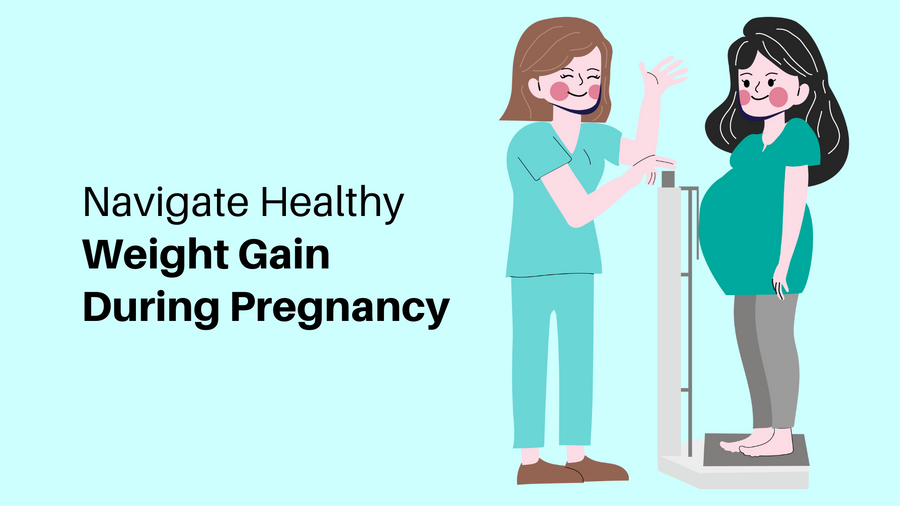
Pregnancy is a monumental experience filled with joy, anticipation, and numerous physical changes. As a woman's body adapts to nurture a growing baby, various transformations occur. Among these changes, weight gain is one of the most obvious and sometimes concerning aspects. Gaining weight during pregnancy is natural and essential for the well-being of both mother and baby. However, understanding the appropriate amount of weight to gain, along with the factors influencing it, is crucial for overall health.


Weight gain during pregnancy isn't just about the number on the scale; it involves a complex interplay of factors, such as the mother's pre-pregnancy weight, metabolic rate, nutritional status, and lifestyle. This blog aims to offer a detailed perspective on weight gain during pregnancy, how much weight is considered healthy, common symptoms, and practical advice to manage and celebrate this unique stage of life.

Also Read: Unwinding the Mystery: Can Pregnancy Occur in PCOD


Weight Gain During Pregnancy

Weight gain during pregnancy is a multifaceted subject influenced by various factors. It is not just fat accumulation; the gained weight includes the baby's weight, placenta, amniotic fluid, increased blood volume, breast tissue, and the uterus, which expands to accommodate the growing fetus. Hormonal changes also play a pivotal role in regulating bodily functions and facilitating weight gain.


Proper nutrition and a balanced diet are critical to ensuring healthy weight gain. Consuming a variety of nutrient-dense foods supports the baby's development and helps the mother maintain her energy levels. The weight distribution differs from trimester to trimester, with more significant weight gain usually happening in the second and third trimesters when the baby grows more rapidly.


How Much Weight Should a Pregnant Woman Gain?

The amount of weight a woman should gain during pregnancy depends mainly on her pre-pregnancy body mass index (BMI). The Institute of Medicine provides guidelines based on a woman's BMI before becoming pregnant:


Underweight (BMI < 18.5): Should gain between 28-40 pounds.

Normal weight (BMI 18.5-24.9): Should gain between 25-35 pounds.

Overweight (BMI 25-29.9): Should gain between 15-25 pounds.

Obese (BMI ≥ 30): Should gain between 11-20 pounds.

These ranges help ensure the health and safety of both mother and baby. Gaining too little can lead to preterm birth or low birth weight, while gaining too much can increase the risk of gestational diabetes, preeclampsia, and complications during childbirth. It's essential to consult a healthcare provider to determine the best weight gain strategy tailored to individual health needs.

Also Read: Foods To Avoid During Pregnancy: Ensuring a Safe and Healthy Diet


Common Symptoms in Pregnancy

Morning Sickness

Morning sickness often occurs in the first trimester and is characterized by nausea and vomiting. It's believed to be triggered by hormonal changes. For some women, it can be mild, while others may experience more severe symptoms. Eating small, frequent meals and avoiding strong odors can sometimes help alleviate morning sickness.


Fatigue

Hormonal changes and the physical demands of pregnancy can lead to extreme tiredness. This fatigue often peaks during the first and third trimesters. Adequate rest, a balanced diet, and light exercise can help manage fatigue levels.


Frequent Urination

As the growing uterus puts pressure on the bladder, the need to urinate more frequently increases. This symptom is usually present early on and can return in the third trimester as the baby moves lower into the pelvis.


Back Pain

Added weight and postural changes contribute to back discomfort. Strengthening the back muscles and improving posture through exercise can sometimes reduce pain.


Food Cravings and Aversions

Hormonal shifts during pregnancy can cause sudden and intense food cravings or aversions. It's generally safe to indulge in cravings occasionally, but maintaining a balanced diet is crucial for overall health.


Heartburn

The hormone progesterone relaxes the valve between the stomach and esophagus, which can lead to heartburn or acid reflux. Eating smaller, more frequent meals and avoiding spicy or fatty foods can help manage heartburn.


Swollen Feet and Ankles

Fluid retention and increased blood circulation may lead to swelling. Elevating the legs, staying hydrated, and wearing comfortable shoes can relieve swelling.

Also Read: Navigating the Complexities of Infertility in Women


Advice on Pregnancy Weight Gain

Eat Balanced Meals

Consuming a variety of fruits, vegetables, lean proteins, and whole grains ensures that both mother and baby receive essential nutrients. Limit the intake of processed foods, which often contain excess sugar, salt, and unhealthy fats.


Monitor Portion Sizes

Eating for two doesn’t mean doubling portion sizes. Focus on nutrient density rather than quantity. Small, frequent meals can prevent overeating and help manage hunger more effectively.


Stay Hydrated

Adequate hydration supports nutrient transport and amniotic fluid levels. Aim for at least 8-10 glasses of water daily. Avoid sugary drinks and limit caffeine intake.


Regular Prenatal Check-ups

Routine visits to the healthcare provider help monitor weight gain and overall health, ensuring any issues are addressed promptly. Blood pressure, blood glucose levels, and baby's growth are typically checked during these visits.


Manage Stress

Stress can negatively impact eating habits and overall health. Practice relaxation techniques like prenatal yoga, meditation, or deep breathing exercises to maintain mental well-being.


How to Stay Active

Prenatal Exercise Programs

Participate in exercise classes specifically designed for pregnant women. These programs cater to the changing abilities and energy levels of expectant mothers and usually include low-impact exercises that help maintain overall fitness.


Walking

Walking is a low-impact exercise suitable for most pregnant women. It helps maintain cardiovascular health and manage weight without putting excessive strain on joints. Aim for at least 30 minutes of walking each day.


Swimming

Swimming can be particularly beneficial as it provides a full-body workout while supporting the body's weight, thereby reducing stress on joints. It’s an excellent way to stay active, especially in the latter stages of pregnancy.


Pelvic Floor Exercises

Strengthening pelvic floor muscles can ease childbirth and reduce post-birth complications. These exercises, often referred to as Kegels, are simple and can be done daily to support bladder control and postpartum recovery.


Dancing

Light dancing can be a fun and effective way to stay active, as long as it’s done at a comfortable pace and with caution to avoid falls. Always choose non-slippery surfaces and wear supportive shoes.


Conclusion

Weight gain during pregnancy is a natural and essential part of the process that supports the health and development of the baby. Understanding the appropriate amount of weight to gain, along with how to manage it effectively through a balanced diet and regular exercise, can alleviate many concerns. Pregnant women should be empowered with the knowledge to make informed decisions about their health and well-being. By following medical advice, staying active, and dedicating time to self-care, the journey through pregnancy can be both healthy and enjoyable. Remember, every pregnancy is unique, and consulting with healthcare providers will always provide the best guidance tailored to individual needs.

CS
Written & reviewed by Cureayu SEO
Ayurvedic physician focused on kidney, urinary and metabolic wellness. Reviews all Cureayu health content. Medically reviewed Aug 21, 2024.

Disclaimer: Educational content, not a substitute for professional medical advice. Consult a qualified physician before starting any supplement.