How to Reduce Belly Fat Naturally (Pet Ki Charbi Kam Karne Ke Upay)
How to Reduce Belly Fat Naturally (Pet Ki Charbi Kam Karne Ke Upay)
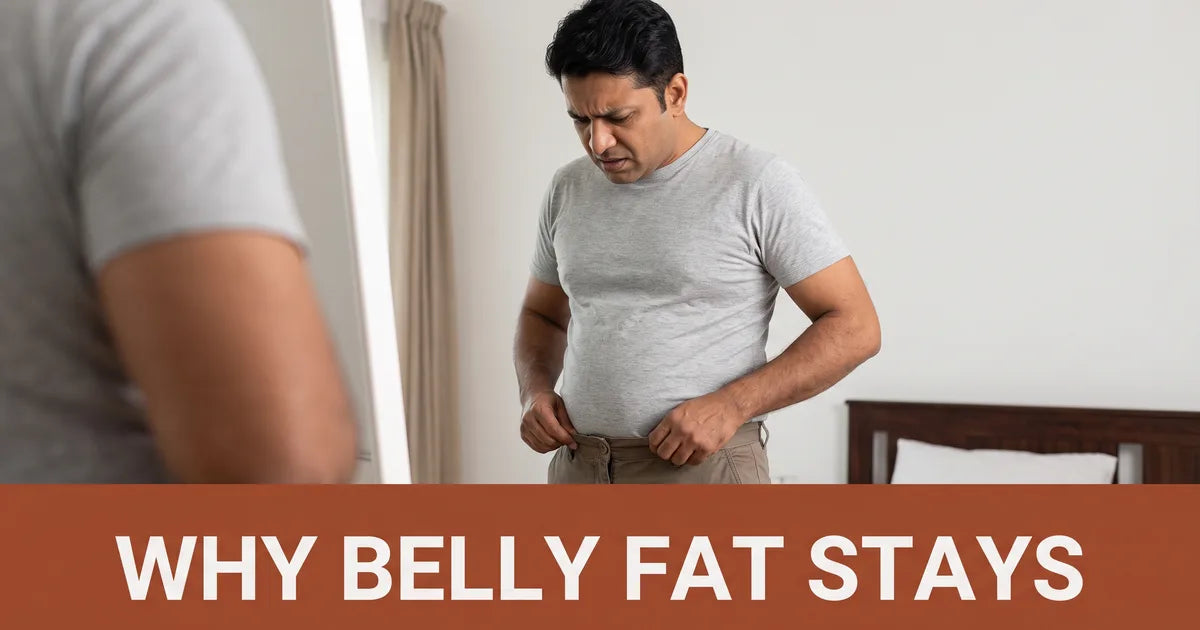
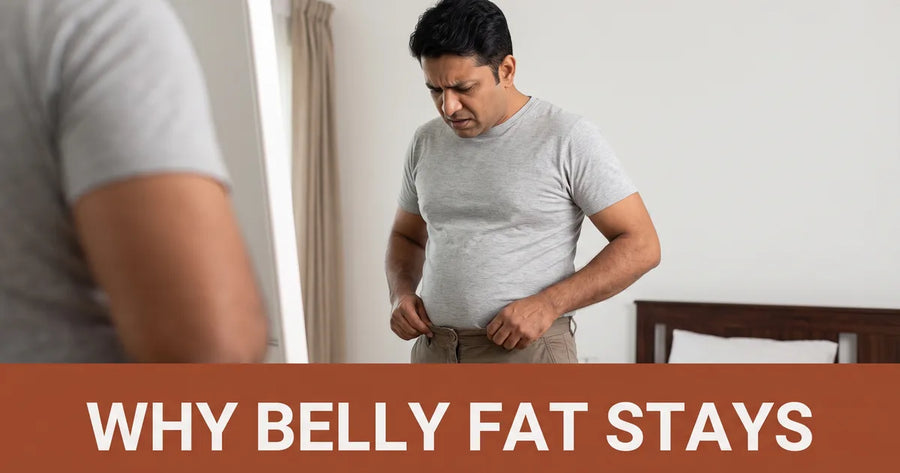
You have tried skipping meals, walking a little, maybe even a crash diet — but the belly stays. That stubborn midsection weight (pet ki charbi) is one of the most common and most frustrating health worries in Indian homes, and it rarely responds to quick fixes.
The good news: belly fat responds well to steady, natural changes — how you eat, how you move, how you sleep, and how you manage stress. No miracle needed. Let us break down what actually works, the Ayurvedic way, grounded in common sense.
Key Takeaways
- Belly fat is driven by more than food — sleep, stress, and daily movement matter just as much.
- Sustainable changes beat crash diets. Rapid weight loss usually comes back.
- Ayurveda views stubborn belly fat as an imbalance of kapha and weak agni (digestive fire) — the fix is to gently rekindle metabolism.
- A high-fibre, home-cooked Indian diet with less sugar and refined carbs is the foundation.
- Certain herbs — Triphala, Guggulu, ginger — are traditionally used to support healthy digestion and metabolism, alongside diet and activity.
Why belly fat is so stubborn
Fat around the belly (visceral fat) is not just about looks — it sits around the organs and is influenced by hormones, insulin sensitivity, and lifestyle. A few honest reasons it clings on:
- Refined carbs and sugar — maida, sugary chai, biscuits, and fried snacks spike insulin and encourage fat storage.
- Poor sleep — short or broken sleep raises hunger hormones and cravings.
- Chronic stress — ongoing stress keeps cortisol high, which is linked to central (belly) fat.
- Sitting all day — long desk or driving hours slow metabolism.
- Slowing metabolism with age — after the late 30s, muscle mass drops and fat gains get easier.
Understanding this matters, because it explains why "just eat less" rarely works alone. You have to move several levers at once.
The Ayurvedic perspective: kapha and agni
In Ayurveda, stubborn body fat (medas) building up is usually linked to aggravated kapha and a weak agni (digestive fire). When agni is strong, food is digested cleanly and converted to energy. When it is weak, food turns into ama (metabolic residue) and medas (excess fat tissue) accumulates — classically, most visibly around the belly.
So the Ayurvedic goal is not starvation. It is to rekindle agni and reduce kapha — with warm, light, well-spiced food, honest movement, and a steady daily rhythm (dinacharya). This is why the tradition favours warm water, ginger, and an early, light dinner rather than extreme fasting.
Practical steps that actually work
Pick a few and stay consistent for 8–12 weeks before judging results — real fat loss is slow and steady.
1. Fix the plate first
- Fill half your plate with vegetables and fibre (sabzi, salad, dal).
- Cut refined carbs and sugar — swap maida for whole grains (jowar, bajra, oats), and sugary chai for lightly spiced or unsweetened.
- Keep protein at every meal (dal, sprouts, paneer, curd, eggs, or lean meat) — it keeps you full and protects muscle.
- Portion control over deprivation — smaller thali, second helpings of veg not rice.
2. Make dinner early and light
An early, lighter dinner (ideally 3 hours before bed) supports digestion and sleep — a very Ayurvedic habit that also happens to help modern metabolism.
3. Move every day — not just "gym"
- Aim for a 30–45 minute brisk walk most days.
- Add strength/bodyweight work 2–3 times a week — muscle burns more at rest.
- Break up long sitting: stand and walk 2–3 minutes every hour.
- Note: spot reduction is a myth — you cannot burn only belly fat, but overall fat loss shrinks the belly.
4. Protect your sleep
Target 7–8 hours. Poor sleep sabotages the best diet by driving cravings the next day.
5. Manage stress
Chronic stress and belly fat are linked. Ten minutes of pranayama, meditation, or a walk daily genuinely helps — this is not fluff, it is hormone management.
6. Start the day with warm water
A glass of warm water (some add lemon or a little ginger) is a gentle, traditional way to wake up digestion. It is a helpful habit, not a magic fat-burner.
7. Watch liquid calories
Sugary drinks, packaged juices, and heavy shakes add hidden calories. Water, buttermilk (chaas), and unsweetened drinks are kinder to the waistline.
Ayurvedic herbs traditionally used for metabolism
These are traditionally used to support healthy digestion and metabolism — supportive, not a substitute for diet and movement, and best discussed with your doctor if you take medication:
- Triphala — a classic gentle-digestion and cleansing formulation.
- Guggulu (Commiphora mukul) — traditionally associated with fat metabolism (medohara).
- Ginger (Sonth) — warming, digestion-supporting.
- Methi (fenugreek) — fibre-rich, traditionally used for appetite and sugar balance.
- Ajwain / Jeera water — common home aids for digestion and bloating.
When to see a doctor
Belly fat is usually lifestyle-related, but check with a physician if you have:
- Sudden or unexplained weight change
- Belly fat with fatigue, hair changes, or cold intolerance (possible thyroid issue)
- A family history of diabetes, PCOD, or heart disease
- Very high waist size (a marker of metabolic risk) — waist above roughly 90 cm for men / 80 cm for women is worth discussing
- Weight that will not shift despite honest, sustained effort
A quick check can rule out thyroid, blood sugar, or hormonal reasons that need their own care.
How Slimcen® fits
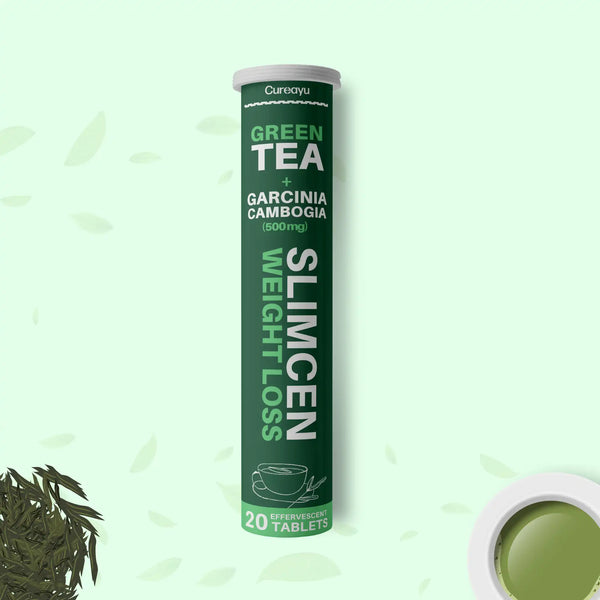
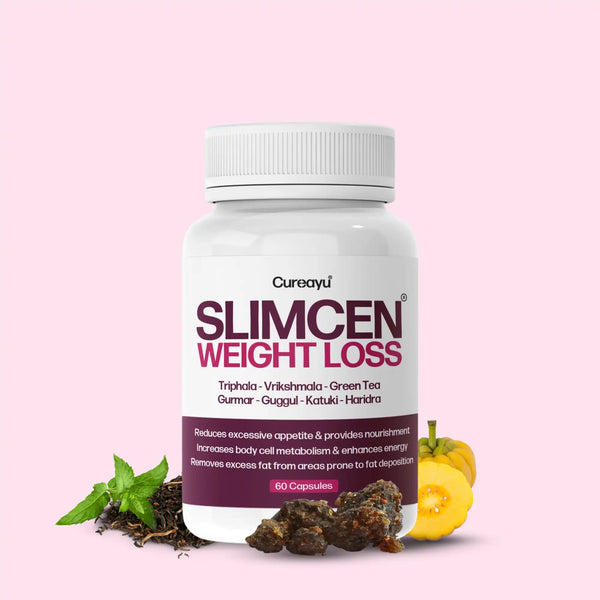
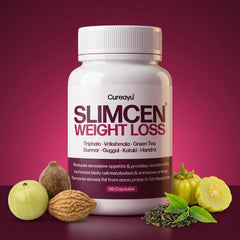
If you are already eating better and moving more, Slimcen® Weight Loss Capsules is our Ayurvedic formulation traditionally used to support healthy metabolism and digestion as part of a weight-management routine. It works best alongside diet, activity, and sleep — not instead of them, and there is no overnight result. If you are pregnant, on regular medication, or managing a health condition, please check with your physician before starting any supplement.
FAQ
1. How long does it take to reduce belly fat naturally? Expect gradual change over 8–12 weeks of consistent diet, movement, and sleep. Healthy loss is roughly 0.25–0.5 kg per week — slow is sustainable.
2. Can I reduce only belly fat with specific exercises? No. Spot reduction is a myth. Crunches strengthen the core, but the belly shrinks only when overall body fat drops through diet and full-body activity.
3. Which is the best exercise for belly fat? A mix works best: daily brisk walking plus 2–3 strength sessions a week. Consistency matters more than any single "best" exercise.
4. What foods should I avoid to lose belly fat? Cut refined flour (maida), sugar, sugary drinks, deep-fried snacks, and large late-night meals. Focus on fibre, protein, and home-cooked food.
5. Kya ghar par pet ki charbi kam ho sakti hai? Haan — sahi diet, roz walk, achhi neend aur stress control se pet ki charbi dheere-dheere kam hoti hai. Jaldi wale shortcuts se bachein; steady badlaav hi tikta hai.
6. Does drinking warm water reduce belly fat? Warm water supports digestion and hydration but does not burn fat on its own. It is a helpful habit inside a bigger routine, not a standalone solution.
Written & medically reviewed by Dr. Istuti, BAMS — in-house Ayurvedic physician at Cureayu, focused on metabolic, digestive, and lifestyle wellness. She blends classical Ayurvedic practice with evidence-aware, practical guidance for Indian families.
Medically reviewed on 26 August 2026.
Disclaimer: This content is for educational purposes and is not a substitute for professional medical advice. Consult a qualified physician before starting any supplement, especially if you have a kidney/prostate condition or take medication.
Sources:
• WHO — Obesity and overweight: https://www.who.int/news-room/fact-sheets/detail/obesity-and-overweight
• Harvard T.H. Chan School of Public Health — Healthy Weight: https://www.hsph.harvard.edu/nutritionsource/healthy-weight/
• Ministry of AYUSH — Ayurveda & lifestyle guidance: https://www.ayush.gov.in
Internal links:
• Pillar hub → Weight Management
• Sibling → Triphala Benefits, Uses & Dosage
• Sibling → Fatty Liver Diet Chart (Indian Foods)
• PDP → Slimcen® Weight Loss Capsules
Disclaimer: Educational content, not a substitute for professional medical advice. Consult a qualified physician before starting any supplement.