Ayurvedic Medicine for IBS: Benefits, Uses and Natural Digestive Support
The health of the digestive system is a factor that contributes to overall well-being. Nonregular eating patterns, stress, poor food selections and altering lifestyles may, however, lead to digestive misery. Issues like bloat, pain, and gas in the abdomen and irregular bowel movements may disrupt daily activities and quality of life.
A common digestive system disorder is Irritable Bowel Syndrome (IBS) which is a health condition that affects the large intestine. The patient with this condition can complain of abdominal pain that is recurring, constipation, diarrhea or bowel habit changes.
Ayurvedic Medicine for IBS is something that is frequently investigated as a complement to digestive conditions. The Ayurvedic herbs in question have a long history of being used to aid in the digestion, overall intestinal well-being, and regularity of their bowels.
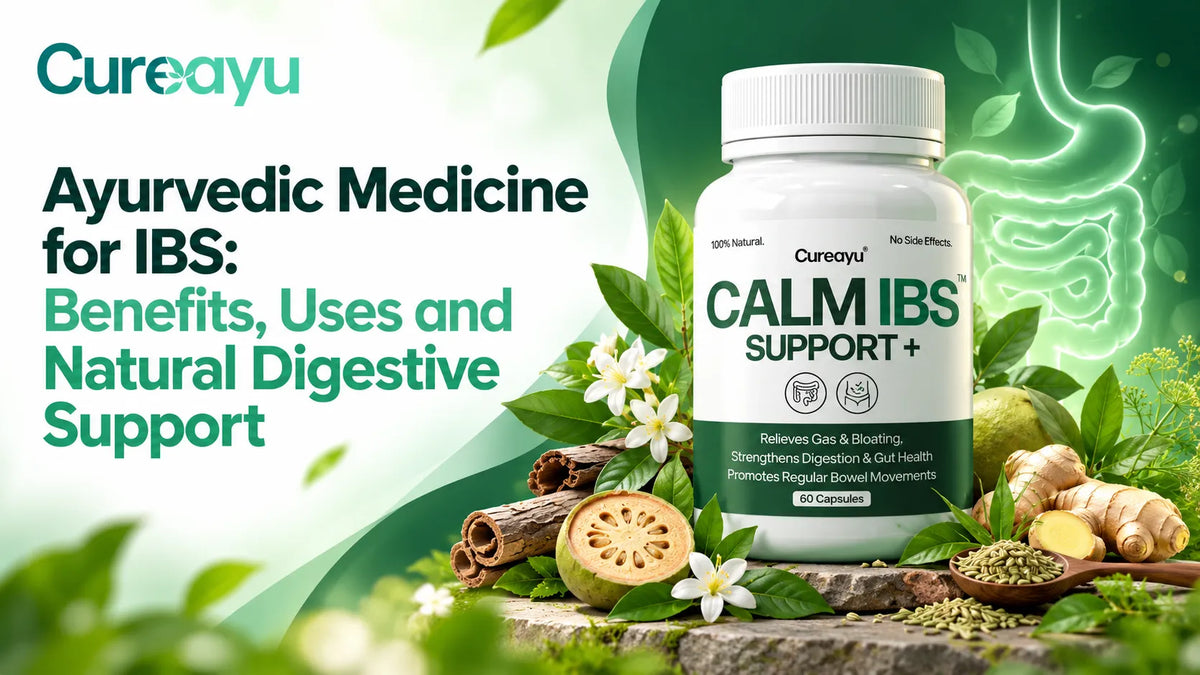
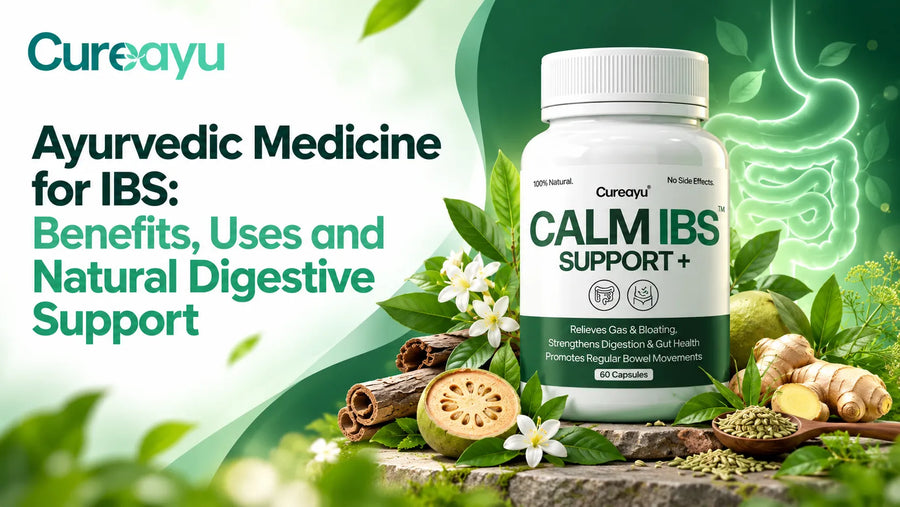
Cureayu Calm Capsules is a combination of traditional herbs consisting of Kutaja, Bilva, Mustaka and Haritaki. The formula is formulated to assist in maintaining digestive health, colon comfort as well as the good health of the gut.
Understanding Irritable Bowel Syndrome (IBS)
Irritable Bowel Syndrome is a functional gastrointestinal condition that is connected to recurring abdominal pain, and alterations in bowel patterns. In contrast to other inflammatory bowel diseases, IBS will not normally lead to structural damage of the intestines that is visible.
The typical manifestations can be coughing in the belly, excessive gas, bloating, diarrhea, constipation, and excretion incompleteness.
The symptoms may differ significantly among people. Others get to do some experience constipation whilst others are prone to loose stools or alternate the two.
The precise causes of IBS are yet to be fully comprehended. Alterations in bowel action, gut sensibility, brain-brain chatter and bowel microbes can play a role in symptom progression.
Symptoms can also be affected by stress, some foods, and some hormonal changes. Knowing personal triggers is an important part of managing digestive health.
Ayurvedic Approach to IBS and Digestive Wellness
Ayurveda is an ancient system of medicine that focuses on the maintenance of balance by the use of nutrition, lifestyle habits and the use of herbal preparations.
Ayurvedic beliefs hold that a good digestive system enhances the capacity of the body to digest food and stay healthy at large. Digestive imbalance is linked traditionally with alterations of the appetite, bowel habit, and stomach comfort.
Ayurvedic Medicine for IBS usually incorporates herbs that were used in a traditional way to treat intestinal health, digestion, and bowel control.
Nonetheless, there is still limited scientific evidence on Ayurvedic herbal formulations to treat IBS. Instead of substitution of the treatment recommended by a medical professional, herbal products should be seen as alternative wellness treatments to be applied.
Regular meals, diets, triggers, stress, and professional diet recommendations are also valuable components of IBS management.
Benefits of Ayurvedic Medicine for IBS
Ayurvedic compositions are traditional formulations that are prepared by the use of herbs that are related to various components of digestive activities.
Certain components are also customarily employed to facilitate easy digestion, maintain an intestinal harmony and normal bowel movements.
Ayurvedic herbal preparations have the potential to attract people who need to adopt a more comprehensive wellness that integrates diet, lifestyle modifications, and traditional procedures.
However, the efficacy of herbal preparations depends on ingredients, preparation, personal diseases, and the quality of the product.
Each Ayurvedic supplement has not been proven to be a sure cure of all the symptoms of IBS.
Important Ayurvedic Herbs for Gut Health
Kutaja is an Ayurvedic herb which is traditionally related to the health of the intestines. Its historical use has been to make preparations aimed at aiding bowel normalcy and digestive ease.
The traditional Ayurvedic digestive preparations have a niche of bilva, or Bael. It is appreciated because of its traditional application in the prophylaxis of intestinal health and the normal functioning of the digestive tract.
Another herb commonly used in the preparation of digestive complaints is Mustaka. It is historically used by Ayurvedic practitioners as part of formulas related to appetite, digestion, and the comfort of the abdominal area.
The traditional use of Haritaki in Ayurveda is well known to aid in digestive health. It mostly relates to bowel movements and healthy bowel habits.
Despite the traditional applications of these herbs, more clinical studies are required to find out their use in the treatment of IBS.
Cureayu Calm IBS Support Capsules for Digestive Comfort
Cureayu Calm IBS Support Capsules are combined with a blend of Ayurvedic herbs that are traditionally linked with gastro-intestinal health.
The compounds are Kutaja, Bilva, Mustaka, Haritaki and other botanical components that were chosen to aid in digestion.
These capsules are placed to facilitate bowel regularity, digestive balance, intestinal comfort and overall gut health.
The herbal blend is offered, as a convenient supplemental form to those who are interested in the Ayurvedic methods of digestive well-being in the traditional manner.
Nonetheless, these can be different in personal reactions. The product is not to be viewed as an effective remedy to Irritable Bowel Syndrome or a replacement to the mentioned medical treatment.
Managing Gas and Bloating with Healthy Habits
One of the most common symptoms reported by people with IBS is gas and bloating. These symptoms can arise due to the improper tolerance of some foods, or to alteration of intestinal movement and sensitivity.
It may be better to eat slowly, chew on your food, eat less of it but with chewing, and push the amount of food back.
Some foods like carbonated beverages, some of the artificial sweeteners, and highly fermentable foods do cause some people to bloat.
A food diary could aid in determining food-related symptoms that might be linked with constant symptoms.
Ayurvedic Medicine of IBS can be considered together with these lifestyle practices; however, changes in the diet should be individual.
Role of Diet in Supporting IBS Management
The digestive symptoms also depend on the food choices to a considerable extent. Nevertheless, no one-fit-all diet can be applied to all with IBS.
Certain ones need soluble fiber augmentation, whereas others need modifications relating to whether the problem is mostly constipation or diarrhoea.
Low-FODMAP diet can be used in order to determine problematic carbohydrates in some individuals. This method implies temporary food deprivation and then an organized food re-introduction which ideally should be supervised by a professional.
Healthy bowel functioning can also be aided by regular meal time, sufficient hydration, and balanced nutrition.
Changes to the dietary restrictions should be avoided where the elimination of a large number of foods can lead to nutritional deficiencies.
Stress Management and the Gut-Brain Connection
The digestive system is constantly in contact with the brain by intertwined nervous and hormonal receptors.
This is what is termed as the gut-brain connection. Emotional stress can affect the movement of the intestines, the sensitivity of the digestive system, and the experience of abdominal pains.
Some people might be able to handle stress related digestive symptoms with the help of relaxation methods, breathing exercises, meditation, and physical activity.
Sleep is also essential to the physical and emotional health.
Stress management and proper dietary change can be a feasible solution to enhance comfort levels daily.
How to Use Ayurvedic IBS Support Capsules
When taking herbal supplements they must be taken as advised on the packaging or as advised by a qualified medical provider.
Cureayu Calm IBS Support Capsules are aimed to provide support with the digestive wellness. Use depends on the individual needs and other health factors.
There is no guarantee of obtaining better or rapid outcomes when taking more large amounts than it is recommended.
Soon-to-be mothers, those who are already breastfeeding, taking prescribed drugs, and those who do not control some chronic ailments ought to consult professionals prior to coming into contact with the herbal supplements.
Continuous abdominal pain, inexplicable weight loss, rectal bleeding, fever, or severe alterations in bowel movement demand medical attention.
Disclaimer: Educational content, not a substitute for professional medical advice. Consult a qualified physician before starting any supplement.