Kidney Stone Symptoms (Pathri Ke Lakshan) & Signs
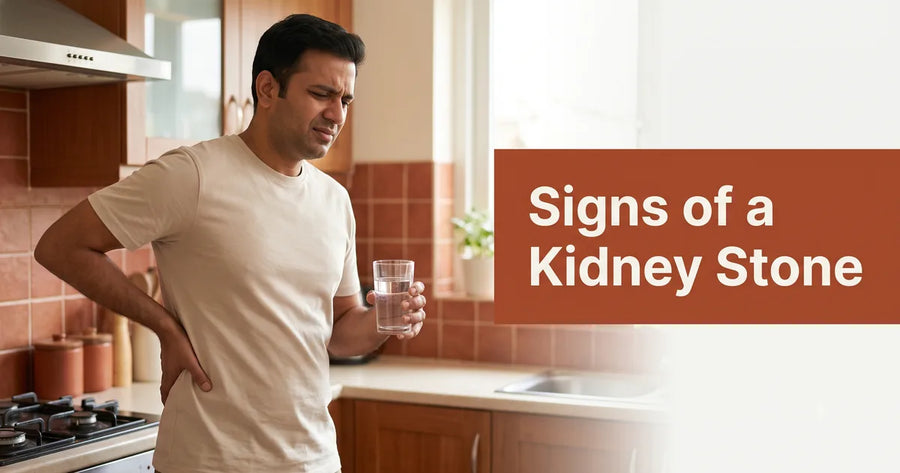
Kidney Stone Symptoms: Pathri Ke Lakshan You Shouldn't Ignore
That sharp, restless ache in your side that just won't settle — the one that comes in waves and makes it hard to sit still — is one of the most recognisable warnings your body gives. Kidney stone pain is often described as one of the most intense pains a person can feel, and yet the early signs are surprisingly easy to brush off as a backache or gas.
This guide walks through the real symptoms of a kidney stone (pathri ke lakshan), where the pain shows up, what causes stones in the first place, and — most importantly — when it stops being 'wait and watch' and becomes 'see a doctor now.'
Key Takeaways
- The classic sign is sudden, wave-like pain in the side or back below the ribs, often spreading to the lower abdomen and groin (kamar aur pet ke niche dard).
- Blood in the urine (pink, red, or brown) is very common, though it's often microscopic and only shows on a urine test.
- Other signs: burning while urinating, cloudy or foul-smelling urine, an urgent need to go, and nausea or vomiting with the pain.
- Fever with chills, uncontrollable pain, repeated vomiting, or being unable to pass urine are red flags — seek urgent care.
- Staying well-hydrated is the single most protective daily habit. Herbs like Gokshura, Varuna, and Pashanabheda are traditionally used to support urinary comfort and healthy stone-free function.
The Quick Answer
What does a kidney stone feel like? Most people feel a sudden, sharp pain starting in the side or back below the ribs that comes in waves and may radiate to the lower belly and groin. It's often paired with blood-tinged urine, burning on urination, a frequent urge to go, and sometimes nausea. Small stones can pass on their own with fluids; larger ones or any pain with fever needs prompt medical care.
What Is a Kidney Stone? (Pathri kya hoti hai)
A kidney stone is a hard, pebble-like deposit that forms when certain minerals and salts in the urine — most commonly calcium oxalate — become concentrated and crystallise. Stones can be as tiny as a grain of sand or grow large enough to block the flow of urine.
Small stones often travel down and pass out in the urine with little more than mild discomfort. The trouble starts when a stone moves into the narrow tube (the ureter) between the kidney and bladder and gets stuck — that blockage is what triggers the intense, unmistakable pain.
The Symptoms, One by One
1. Wave-like pain in the side and back (kamar dard)
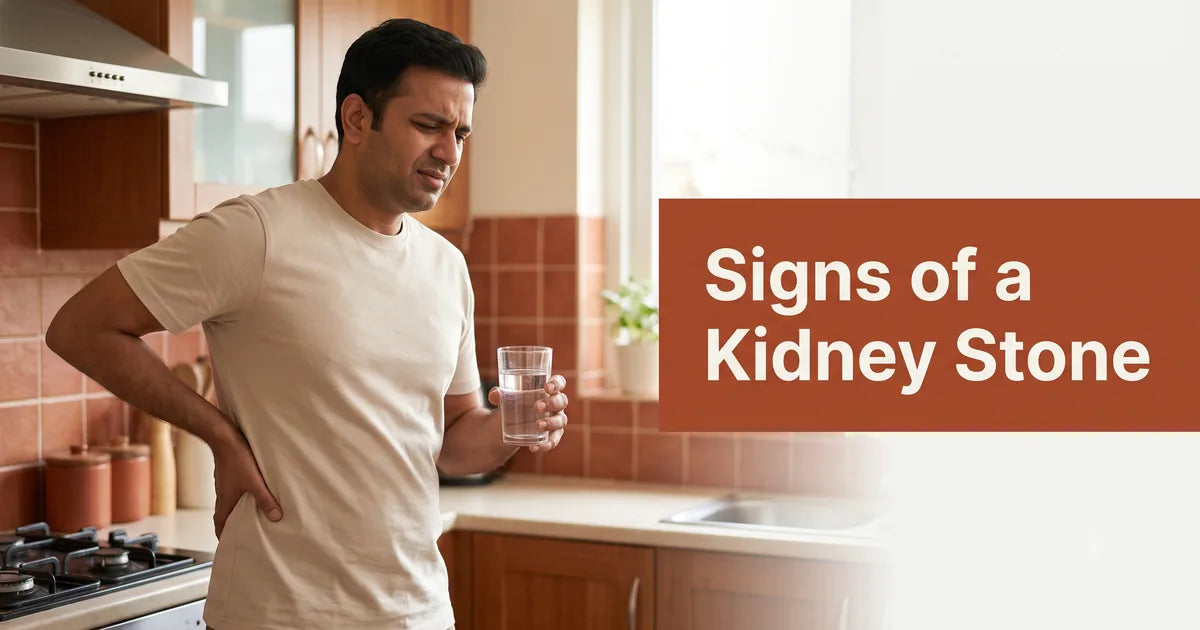
The hallmark sign. Pain typically starts suddenly in the side or back, just below the ribs, and comes in waves rather than staying constant. As the stone moves, the pain can shift down towards the lower abdomen and groin. Many people find they simply cannot get comfortable in any position.
2. Pain that radiates and changes
Unlike a steady muscular backache, stone pain travels. It may begin in the flank and move forward and down as the stone shifts. The intensity often rises and falls in surges.
3. Blood in the urine (peshab me khoon)
Urine may look pink, red, or brownish. Very often the blood is microscopic — invisible to the eye but picked up on a simple urine test. It's one of the most common signs.
4. Burning or painful urination (peshab me jalan)
As a stone nears the bladder, you may feel a burning sensation while urinating, or a persistent, urgent need to go — sometimes mistaken for a urine infection.
5. Cloudy or foul-smelling urine
Cloudy, dark, or unusually strong-smelling urine can accompany a stone, and may signal an infection alongside it.
6. Nausea and vomiting
The nerve connections between the kidneys and the digestive tract mean severe stone pain is frequently paired with nausea, vomiting, or a queasy stomach.
7. Urinating small amounts, or more often
A stone near the bladder can make you feel the urge to urinate frequently, often passing only small amounts at a time.
None of these on its own confirms a stone — but the combination of sudden flank pain plus urinary changes is a strong signal to get checked.
Why Kidney Stones Form (Common Causes in India)
Several everyday factors raise the risk, and many are especially relevant in the Indian context:
- Not drinking enough water, particularly in hot climates and physically demanding jobs — concentrated urine forms stones more easily.
- High salt (namak) intake — pickles, papad, packaged snacks, and restaurant food.
- Diets very high in oxalate — large amounts of spinach, beetroot, nuts, and tea.
- Too much animal protein in some diets, which can raise stone-forming compounds.
- A family history of stones.
- Recurrent urinary infections or certain medical conditions.
- Repeated stone episodes — once you've had one, the chance of another is higher, making prevention important.
The Ayurvedic Perspective on Stones
Ayurveda refers to urinary stones as Mutrashmari — described in classical texts as a hardening within the urinary channels (Mutravaha Srotas), linked to aggravated Kapha and Vata along with concentrated mutra (urine). The traditional emphasis is on flushing the channels, supporting steady urine flow, and preventing re-formation.
Herbs named in classical texts and traditionally used to support healthy urinary function and comfort include:
- Pashanabheda (Bergenia ligulata) — its name literally means 'stone-breaker,' and it is classically associated with the urinary system.
- Gokshura / Gokhru (Tribulus terrestris) — traditionally used to support smooth urinary flow.
- Varuna (Crataeva nurvala) — a classical herb for the urinary tract.
These are best understood as supportive of a healthy, stone-free routine — not a treatment or a substitute for medical removal of a stone that is blocking or causing severe pain.
Practical Steps to Support a Stone-Free Routine
Drink water, generously. This is the most important habit by far. Aim for pale-yellow urine through the day — often 2.5–3 litres in Indian heat, unless your doctor has restricted your fluids. Consistent hydration keeps minerals dilute.
Ease off the salt. Less sodium reduces the calcium in your urine that helps form stones.
Be mindful of very high-oxalate foods. You don't have to avoid spinach or nuts entirely — just don't overload, and pair them with enough fluids and a normal dietary-calcium intake.
Add a squeeze of lemon. Citrate from lemon or nimbu paani can help make urine less stone-prone for many people.
Don't crash-load protein. Very high animal-protein diets can raise stone risk.
Keep moving and manage weight. Both support healthy metabolism and urinary balance.
When to See a Doctor
Please seek medical care promptly if you notice:
- Pain so severe you cannot sit still or control it with rest.
- Fever and chills along with the pain — this can mean an infection and needs urgent attention.
- Repeated vomiting or inability to keep fluids down.
- Difficulty passing urine, or passing none — a possible blockage.
- Visible blood in the urine.
A stone that blocks urine flow or brings on infection can harm the kidney if left untreated, so don't tough it out. A simple ultrasound or CT and a urine test confirm the diagnosis quickly, and your doctor will advise whether it can pass naturally or needs removal.
How Stoncure Fits In
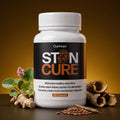
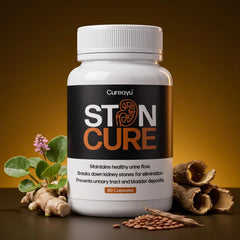
If you're focused on supporting healthy urinary function and a stone-free routine day to day, Stoncure brings together Ayurvedic herbs like Pashanabheda, Gokshura, and Varuna that are traditionally used to support smooth urine flow and urinary comfort. It's meant to complement — never replace — plenty of water, a sensible diet, and your doctor's advice. If you have a stone causing severe pain, fever, or a blockage, see a physician promptly; a supplement is not a substitute for medical treatment of an acute stone.
Frequently Asked Questions
What are the first signs of a kidney stone? The earliest sign is usually a sudden, sharp, wave-like pain in the side or back below the ribs that may spread to the lower abdomen and groin. It's often joined by blood-tinged or cloudy urine and a frequent, urgent need to urinate.
Where is kidney stone pain felt? It typically starts in the flank (the side of the mid-back, below the ribs) and radiates forward and down toward the lower belly and groin as the stone moves. The pain characteristically comes in waves rather than staying steady.
Can a kidney stone pass on its own? Small stones often pass naturally with plenty of fluids over a few days to weeks. Larger stones, or any stone causing severe pain, fever, or a blockage, need medical evaluation and sometimes a procedure to remove them.
Is blood in urine always a kidney stone? No. Blood in urine can have several causes, including infections. But when it appears alongside sudden flank pain and urinary changes, a stone is a common explanation and should be checked with a urine test and imaging.
Can Ayurvedic herbs dissolve kidney stones? Herbs like Pashanabheda and Gokshura are traditionally used to support healthy urinary flow and a stone-free routine — not as a guaranteed way to dissolve an existing stone. Any stone causing severe pain, fever, or blockage needs medical care.
How can I prevent kidney stones from coming back? Drink water generously, reduce salt, avoid overloading on very high-oxalate foods, add citrate (like lemon) where suitable, and follow your doctor's advice — especially if you've had a stone before, since recurrence is common.
Written & medically reviewed by Dr. Istuti, BAMS — an in-house Ayurvedic physician (Bachelor of Ayurvedic Medicine and Surgery) focused on kidney, urinary, and metabolic wellness. Dr. Istuti reviews every Cureayu health article for accuracy and compliance.
Medically reviewed on 15 July 2026.
Disclaimer: This content is for educational purposes and is not a substitute for professional medical advice. Consult a qualified physician before starting any supplement, especially if you have a kidney/prostate condition or take medication.
Internal links:
- Pillar hub: Kidney & Creatinine — Complete Ayurvedic Guide (Renal Health Care)
- Sibling: Early Signs of Kidney Problems You Shouldn't Ignore
- Sibling: Foamy Urine: What It Means for Your Kidney Health
- PDP: Stoncure — https://www.cureayu.com/products/stoncure
Disclaimer: Educational content, not a substitute for professional medical advice. Consult a qualified physician before starting any supplement.