Dandruff (Rusi): Causes, Types & Gentle Ayurvedic Remedies

DI
Dr. Istuti ✓ Medically reviewed
Oct 5, 2026 · 5 min read
Dandruff (Rusi): Causes, Types & Gentle Ayurvedic Remedies
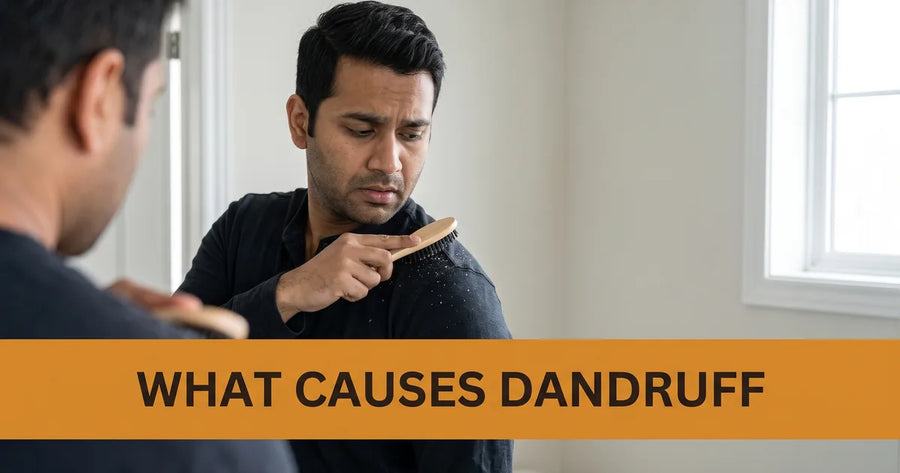
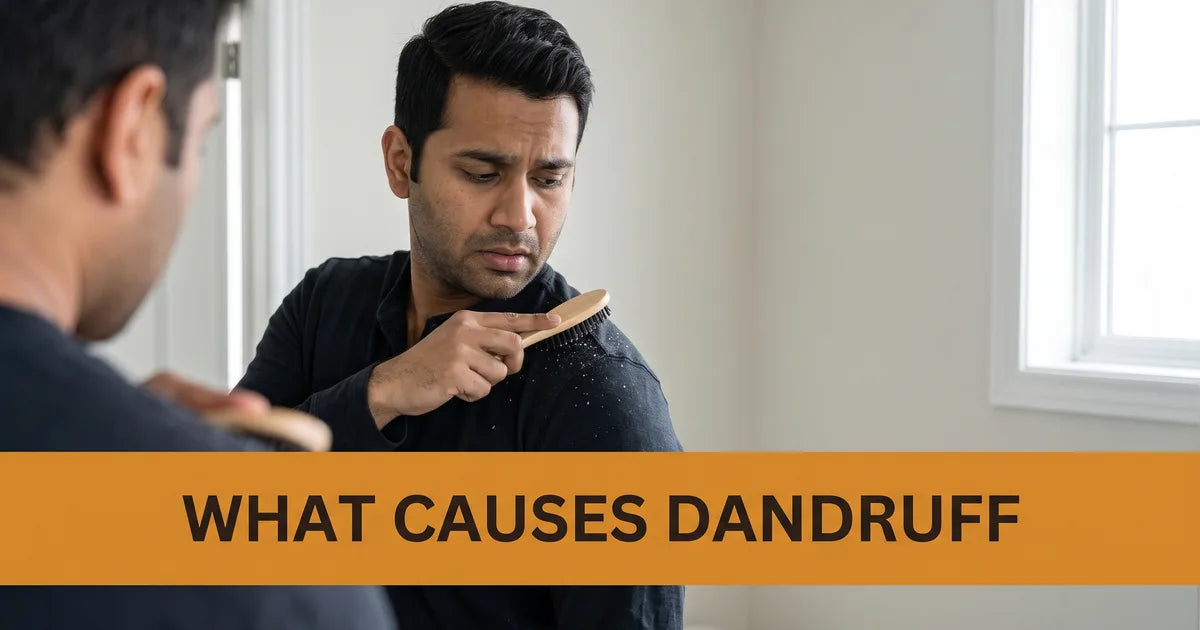
Those white flakes on your shoulders, the constant itch, the embarrassment of brushing your collar before a meeting — dandruff (rusi) is one of the most common and most frustrating scalp problems in India. The good news: it is manageable, and understanding why it happens is the first step to a calmer, flake-free scalp.

This doctor-reviewed guide covers what dandruff really is, the different types, the everyday causes, and the gentle Ayurvedic approach to supporting a healthy scalp — without harsh promises.

Key Takeaways

  • Dandruff (rusi) is usually caused by a common scalp yeast (Malassezia), an oily scalp, dryness, or irregular washing — not by poor hygiene alone.
  • It comes in different forms: oily flakes, dry flakes, and itchy red patches — each needs a slightly different approach.
  • Ayurveda calls scalp flaking Darunaka and links it to aggravated Vata and Kapha; herbs like neem, bhringraj and amla are traditionally used to support scalp health.
  • A regular, gentle wash routine matters more than any single "miracle" remedy.
  • Persistent, severe, or painful flaking needs a dermatologist — not just a shampoo.

What is dandruff (rusi)?

Dandruff is the shedding of dead skin cells from the scalp in visible white or yellowish flakes, often with itching. Everyone sheds skin, but in dandruff the turnover speeds up and the flakes clump together. A major trigger is Malassezia, a yeast that lives naturally on everyone's scalp but can overgrow on oily skin and irritate it.

Importantly, dandruff is not a sign of being dirty, and it is not contagious. It is a common, manageable scalp condition that waxes and wanes — often worse in winter and during stressful periods.

Dandruff, dry scalp, or something more?

Knowing which type you have helps you choose the right routine:

  • Oily dandruff: larger, yellowish, greasy flakes that stick to the scalp and hair; scalp feels oily. Often linked to Malassezia and seborrheic tendencies.
  • Dry dandruff: small, white, powdery flakes that fall easily; scalp feels tight and dry, common in winter.
  • Itchy, red, scaly patches: may point to seborrheic dermatitis or another scalp condition — if it is persistent or spreading, see a doctor rather than self-treating. Our guide on scalp yeast infections explains this further.

Why you get dandruff — the real causes

Dandruff rarely has a single cause. Usually several of these overlap:

  • Malassezia yeast overgrowth feeding on scalp oils.
  • Too much or too little washing — both can tip the balance.
  • Dry weather and cold winters that dry out the scalp.
  • Stress and poor sleep, which can worsen flare-ups.
  • Harsh shampoos, hair dyes, or heavy styling products that irritate the scalp.
  • Diet — very oily, sugary food may aggravate oily, Kapha-type scalp conditions.

The Ayurvedic perspective on scalp health

Classical Ayurveda describes scalp flaking and itching as Darunaka, counted among the kshudra rogas (minor but troublesome disorders) in texts like the Bhavaprakasha. It is understood as an imbalance of Vata (dryness, flaking) and Kapha (oiliness, stickiness), often with aggravated Pitta when there is redness and itching.

The traditional approach is to cleanse gently, calm the scalp, and restore balance using herbs traditionally used for scalp and hair care:

  • Neem (Azadirachta indica) — traditionally valued for its cleansing properties on the scalp.
  • Bhringraj (Eclipta alba) — classically used in hair oils to nourish the scalp.
  • Amla (Indian gooseberry) — rich in vitamin C, traditionally used to support healthy hair and scalp.
  • Methi (fenugreek) and reetha/shikakai — gentle, time-honoured cleansers.

These are supportive herbs for scalp wellness — they are not a cure for any medical scalp disease. If flaking comes with heavy shedding, also read our guide on hair fall causes and Ayurvedic remedies.

Practical steps to support a flake-free scalp

  • Wash regularly but gently. For most people, washing 2–3 times a week with a mild, scalp-friendly shampoo keeps oil and flakes in check. Massage the scalp, don't scratch.
  • Do not over-oil before a flare. Heavy oiling on an already oily, flaky scalp can feed Malassezia. A light pre-wash oil (neem or bhringraj) an hour before washing is gentler.
  • Rinse thoroughly. Leftover shampoo or product build-up irritates the scalp.
  • Eat scalp-friendly. Cut excess fried and sugary food; add fruits, vegetables, and omega-rich foods. Stay hydrated.
  • Manage stress and sleep. Flare-ups often track stressful weeks — simple routines help.
  • Avoid harsh chemicals and tight, heat-heavy styling while your scalp settles.

When to see a doctor

See a dermatologist if your flaking is severe, painful, bleeding, spreading beyond the scalp, causing significant hair loss, or simply not improving after a few weeks of a gentle routine. Red, crusted, or weepy patches may be seborrheic dermatitis, psoriasis, or a fungal infection that needs proper medical treatment.

How Hair2Glow Anti-Fungal Shampoo fits

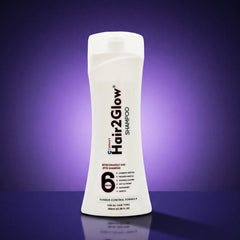
A big part of managing dandruff is a consistent, gentle cleansing routine. Hair2Glow Anti-Fungal Shampoo is formulated to cleanse the scalp and support a healthy, balanced scalp environment as part of your regular wash routine. Use it as directed, give any routine a few weeks, and pair it with the lifestyle steps above. If your scalp issue is severe or persistent, please see a doctor alongside — a shampoo supports scalp hygiene, it does not replace medical care.

Frequently Asked Questions

Can dandruff go away permanently?
Dandruff tends to come and go rather than vanish forever. Most people manage it well with a regular gentle wash routine; it can flare again in winter or stressful periods, and that is normal.

Is dandruff caused by not washing hair enough?
Not exactly. Both infrequent washing and over-washing can worsen it. Dandruff is usually linked to Malassezia yeast and scalp oil balance, not dirtiness.

Does oiling help or worsen dandruff?
It depends. A light pre-wash oil can soothe a dry scalp, but heavy oiling left on an oily, flaky scalp can feed the yeast and make it worse. Keep oiling light and wash it out.

Which Ayurvedic herbs are traditionally used for dandruff?
Neem, bhringraj, amla, methi (fenugreek) and reetha/shikakai are traditionally used to cleanse and support a healthy scalp. They are supportive, not a cure for medical scalp disease.

When should I see a doctor for dandruff?
If flaking is severe, painful, spreading, causing hair loss, or not improving after a few weeks of gentle care, see a dermatologist to rule out seborrheic dermatitis, psoriasis, or a fungal infection.


Written & medically reviewed by Dr. Istuti, BAMS — in-house Ayurvedic physician at Cureayu. Dr. Istuti writes evidence-aware Ayurvedic guidance on skin, hair and everyday wellness.

Medically reviewed on 5 October 2026.

Disclaimer: This content is for educational purposes and is not a substitute for professional medical advice. Consult a qualified physician before starting any supplement, especially if you have a kidney/prostate condition or take medication.

Sources

  • MedlinePlus — Dandruff, Seborrheic Dermatitis, and Cradle Cap: medlineplus.gov
  • American Academy of Dermatology — How to treat dandruff: aad.org
  • Ministry of AYUSH, Government of India: ayush.gov.in
  • Classical reference: Bhavaprakasha (Darunaka). Herb research: PubMed/NCBI
 

Hair2Glow® Anti Fungal Shampoo
MENTIONED IN THIS ARTICLE
Hair2Glow® Anti Fungal Shampoo
★ 4.93 · 56 reviews
₹399
DI
Written & reviewed by Dr. Istuti
Ayurvedic physician focused on kidney, urinary and metabolic wellness. Reviews all Cureayu health content. Medically reviewed Oct 5, 2026.

Disclaimer: Educational content, not a substitute for professional medical advice. Consult a qualified physician before starting any supplement.
ShareWAfX⧉

Dandruff (Rusi): Causes, Types & Gentle Ayurvedic Remedies

DI
Dr. Istuti ✓ Medically reviewed
Oct 5, 2026 · 5 min read
Dandruff (Rusi): Causes, Types & Gentle Ayurvedic Remedies

Those white flakes on your shoulders, the constant itch, the embarrassment of brushing your collar before a meeting — dandruff (rusi) is one of the most common and most frustrating scalp problems in India. The good news: it is manageable, and understanding why it happens is the first step to a calmer, flake-free scalp.

This doctor-reviewed guide covers what dandruff really is, the different types, the everyday causes, and the gentle Ayurvedic approach to supporting a healthy scalp — without harsh promises.

Key Takeaways

  • Dandruff (rusi) is usually caused by a common scalp yeast (Malassezia), an oily scalp, dryness, or irregular washing — not by poor hygiene alone.
  • It comes in different forms: oily flakes, dry flakes, and itchy red patches — each needs a slightly different approach.
  • Ayurveda calls scalp flaking Darunaka and links it to aggravated Vata and Kapha; herbs like neem, bhringraj and amla are traditionally used to support scalp health.
  • A regular, gentle wash routine matters more than any single "miracle" remedy.
  • Persistent, severe, or painful flaking needs a dermatologist — not just a shampoo.

What is dandruff (rusi)?

Dandruff is the shedding of dead skin cells from the scalp in visible white or yellowish flakes, often with itching. Everyone sheds skin, but in dandruff the turnover speeds up and the flakes clump together. A major trigger is Malassezia, a yeast that lives naturally on everyone's scalp but can overgrow on oily skin and irritate it.

Importantly, dandruff is not a sign of being dirty, and it is not contagious. It is a common, manageable scalp condition that waxes and wanes — often worse in winter and during stressful periods.

Dandruff, dry scalp, or something more?

Knowing which type you have helps you choose the right routine:

  • Oily dandruff: larger, yellowish, greasy flakes that stick to the scalp and hair; scalp feels oily. Often linked to Malassezia and seborrheic tendencies.
  • Dry dandruff: small, white, powdery flakes that fall easily; scalp feels tight and dry, common in winter.
  • Itchy, red, scaly patches: may point to seborrheic dermatitis or another scalp condition — if it is persistent or spreading, see a doctor rather than self-treating. Our guide on scalp yeast infections explains this further.

Why you get dandruff — the real causes

Dandruff rarely has a single cause. Usually several of these overlap:

  • Malassezia yeast overgrowth feeding on scalp oils.
  • Too much or too little washing — both can tip the balance.
  • Dry weather and cold winters that dry out the scalp.
  • Stress and poor sleep, which can worsen flare-ups.
  • Harsh shampoos, hair dyes, or heavy styling products that irritate the scalp.
  • Diet — very oily, sugary food may aggravate oily, Kapha-type scalp conditions.

The Ayurvedic perspective on scalp health

Classical Ayurveda describes scalp flaking and itching as Darunaka, counted among the kshudra rogas (minor but troublesome disorders) in texts like the Bhavaprakasha. It is understood as an imbalance of Vata (dryness, flaking) and Kapha (oiliness, stickiness), often with aggravated Pitta when there is redness and itching.

The traditional approach is to cleanse gently, calm the scalp, and restore balance using herbs traditionally used for scalp and hair care:

  • Neem (Azadirachta indica) — traditionally valued for its cleansing properties on the scalp.
  • Bhringraj (Eclipta alba) — classically used in hair oils to nourish the scalp.
  • Amla (Indian gooseberry) — rich in vitamin C, traditionally used to support healthy hair and scalp.
  • Methi (fenugreek) and reetha/shikakai — gentle, time-honoured cleansers.

These are supportive herbs for scalp wellness — they are not a cure for any medical scalp disease. If flaking comes with heavy shedding, also read our guide on hair fall causes and Ayurvedic remedies.

Practical steps to support a flake-free scalp

  • Wash regularly but gently. For most people, washing 2–3 times a week with a mild, scalp-friendly shampoo keeps oil and flakes in check. Massage the scalp, don't scratch.
  • Do not over-oil before a flare. Heavy oiling on an already oily, flaky scalp can feed Malassezia. A light pre-wash oil (neem or bhringraj) an hour before washing is gentler.
  • Rinse thoroughly. Leftover shampoo or product build-up irritates the scalp.
  • Eat scalp-friendly. Cut excess fried and sugary food; add fruits, vegetables, and omega-rich foods. Stay hydrated.
  • Manage stress and sleep. Flare-ups often track stressful weeks — simple routines help.
  • Avoid harsh chemicals and tight, heat-heavy styling while your scalp settles.

When to see a doctor

See a dermatologist if your flaking is severe, painful, bleeding, spreading beyond the scalp, causing significant hair loss, or simply not improving after a few weeks of a gentle routine. Red, crusted, or weepy patches may be seborrheic dermatitis, psoriasis, or a fungal infection that needs proper medical treatment.

How Hair2Glow Anti-Fungal Shampoo fits

A big part of managing dandruff is a consistent, gentle cleansing routine. Hair2Glow Anti-Fungal Shampoo is formulated to cleanse the scalp and support a healthy, balanced scalp environment as part of your regular wash routine. Use it as directed, give any routine a few weeks, and pair it with the lifestyle steps above. If your scalp issue is severe or persistent, please see a doctor alongside — a shampoo supports scalp hygiene, it does not replace medical care.

Frequently Asked Questions

Can dandruff go away permanently?
Dandruff tends to come and go rather than vanish forever. Most people manage it well with a regular gentle wash routine; it can flare again in winter or stressful periods, and that is normal.

Is dandruff caused by not washing hair enough?
Not exactly. Both infrequent washing and over-washing can worsen it. Dandruff is usually linked to Malassezia yeast and scalp oil balance, not dirtiness.

Does oiling help or worsen dandruff?
It depends. A light pre-wash oil can soothe a dry scalp, but heavy oiling left on an oily, flaky scalp can feed the yeast and make it worse. Keep oiling light and wash it out.

Which Ayurvedic herbs are traditionally used for dandruff?
Neem, bhringraj, amla, methi (fenugreek) and reetha/shikakai are traditionally used to cleanse and support a healthy scalp. They are supportive, not a cure for medical scalp disease.

When should I see a doctor for dandruff?
If flaking is severe, painful, spreading, causing hair loss, or not improving after a few weeks of gentle care, see a dermatologist to rule out seborrheic dermatitis, psoriasis, or a fungal infection.


Written & medically reviewed by Dr. Istuti, BAMS — in-house Ayurvedic physician at Cureayu. Dr. Istuti writes evidence-aware Ayurvedic guidance on skin, hair and everyday wellness.

Medically reviewed on 5 October 2026.

Disclaimer: This content is for educational purposes and is not a substitute for professional medical advice. Consult a qualified physician before starting any supplement, especially if you have a kidney/prostate condition or take medication.

Sources

  • MedlinePlus — Dandruff, Seborrheic Dermatitis, and Cradle Cap: medlineplus.gov
  • American Academy of Dermatology — How to treat dandruff: aad.org
  • Ministry of AYUSH, Government of India: ayush.gov.in
  • Classical reference: Bhavaprakasha (Darunaka). Herb research: PubMed/NCBI


DI
Written & reviewed by Dr. Istuti
Ayurvedic physician focused on kidney, urinary and metabolic wellness. Reviews all Cureayu health content. Medically reviewed Oct 5, 2026.

Disclaimer: Educational content, not a substitute for professional medical advice. Consult a qualified physician before starting any supplement.