High Blood Pressure Symptoms: Early Warning Signs You Shouldn't Ignore
High Blood Pressure Symptoms: Early Warning Signs You Shouldn't Ignore
High blood pressure is often called the "silent" problem — many people feel perfectly fine while their numbers quietly climb. That's exactly what makes it worth understanding. Knowing the early signs, and checking your reading, means you can act before it puts strain on your heart, kidneys, and eyes.
Here's a plain-language guide to the symptoms people actually notice, what your numbers mean, and the everyday habits — including time-tested Ayurvedic ones — that help keep blood pressure in a healthy range.
Key Takeaways
- High blood pressure (hypertension) frequently has no obvious symptoms — the only reliable way to know is to measure it.
- When symptoms do appear, common ones include headaches, dizziness, a heavy or throbbing head, blurred vision, and palpitations.
- A reading of 120/80 mmHg or below is considered healthy; consistently 140/90 or above usually needs medical attention.
- Salt, stress, poor sleep, excess weight, and inactivity are the biggest everyday drivers.
- Ayurveda supports healthy BP through diet, stress balance, and herbs like Arjuna, Ashwagandha, and Sarpagandha — as part of a routine, never as a replacement for prescribed medicine.
Why high blood pressure is easy to miss
Blood pressure is the force of blood pushing against your artery walls. When it stays too high for too long, it slowly strains the heart and blood vessels — but that damage builds quietly. Most people with mildly raised BP feel completely normal, which is why so many cases go unnoticed until a routine check or a bigger problem shows up.
That's the case for checking your numbers even when you feel well — especially if you're over 40, overweight, under stress, or have a family history of BP, diabetes, or heart disease.
Early warning signs people do notice
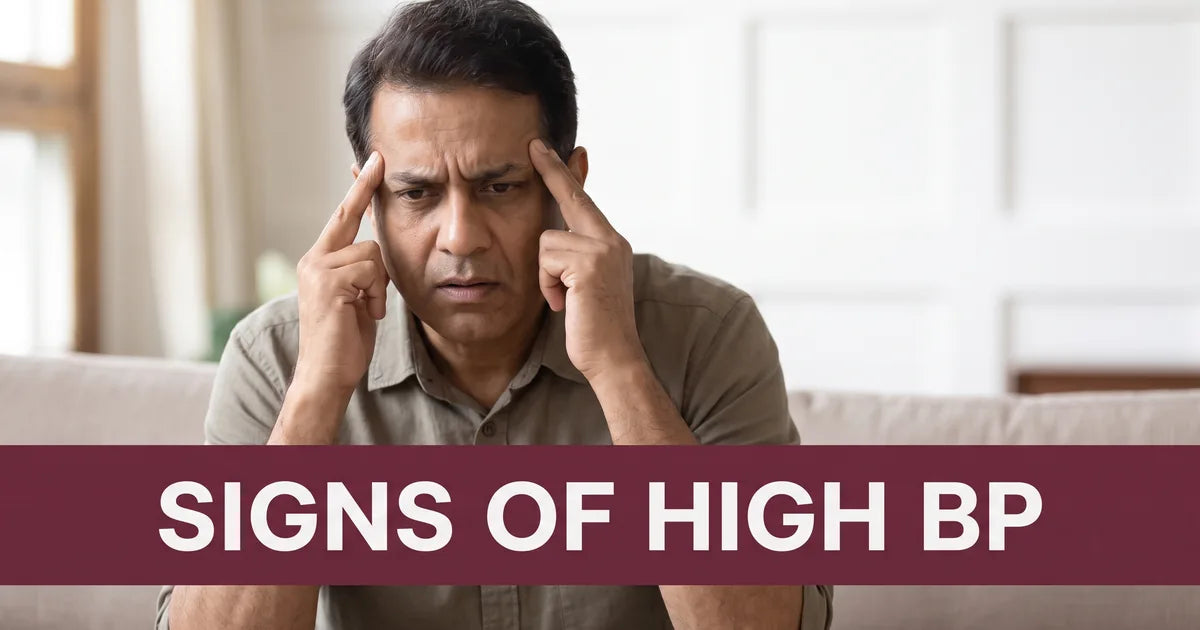
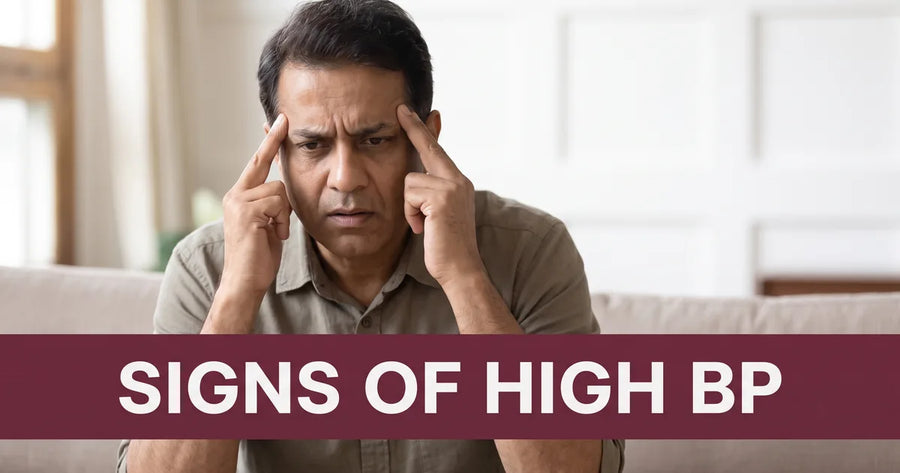
While hypertension is often silent, some people — particularly when readings run high — report (blood pressure high hone ke lakshan):
- Headaches, often at the back of the head or first thing in the morning.
- Dizziness or light-headedness, or a sense of imbalance.
- A heavy, throbbing, or "full" feeling in the head.
- Blurred or spotty vision.
- Palpitations — a racing or pounding heartbeat.
- Shortness of breath on mild exertion.
- Fatigue, poor sleep, or unusual restlessness.
- Nosebleeds (less common, usually only with very high readings).
None of these is proof of high BP on its own — plenty of other things cause headaches or dizziness. But if they're new or persistent, get your pressure measured rather than guessing.
Understanding your numbers
A blood pressure reading has two figures — systolic (top, the push when the heart beats) over diastolic (bottom, the resting pressure between beats).
| Category | Systolic (top) | Diastolic (bottom) |
|---|---|---|
| Healthy | Below 120 | and below 80 |
| Elevated | 120–129 | and below 80 |
| High (Stage 1) | 130–139 | or 80–89 |
| High (Stage 2) | 140 or higher | or 90 or higher |
| See a doctor urgently | 180 or higher | and/or 120 or higher |
(Ranges based on widely used clinical guidance; your doctor may set targets specific to you.)
One high reading isn't a diagnosis — pressure naturally rises with stress, activity, or even a rushed clinic visit. What matters is the pattern across several calm, seated readings.
The Ayurvedic perspective on healthy blood pressure
Ayurveda views blood pressure balance as closely tied to vyana vata (the energy governing circulation) and to a calm mind. Aggravated vata and pitta, poor digestion, and unmanaged stress are seen as key contributors to circulatory imbalance. The classical approach leans on hridya (heart-supporting) and medhya/rasayana (calming, rejuvenating) herbs alongside a settled daily routine (dinacharya).
Herbs traditionally used to support heart and circulatory wellness:
- Arjuna (Terminalia arjuna) — a classic hridya herb long used to support healthy heart function and circulation.
- Ashwagandha (Withania somnifera) — traditionally used to help the body manage stress, a major BP driver. More in our guide to Ashwagandha benefits and uses.
- Sarpagandha (Rauwolfia serpentina) — named in classical texts for calming and supporting healthy blood pressure (use only under qualified guidance).
- Garlic (Lasuna) — traditionally valued for heart and circulatory support.
These are traditionally used to support healthy blood pressure and circulation — not to treat or cure hypertension. If you're already on BP medication, never stop or change it on your own; use herbs only with your doctor's knowledge.
Everyday steps to support healthy blood pressure
- Cut the salt. Aim for less than about 5 g of namak a day. The hidden salt in pickles, papad, namkeen, sauces, and packaged snacks adds up fast.
- Fill your plate with potassium-rich foods — banana, spinach, sweet potato, beans, and coconut water help balance sodium (unless your doctor has limited potassium for kidney reasons).
- Move most days. A brisk 30-minute walk, cycling, or yoga can meaningfully lower readings over time.
- Manage stress. Daily pranayama (slow breathing), meditation, or even 10 quiet minutes helps calm vata and steady BP. Poor sleep pushes pressure up, so protect your rest — see why sleep matters and how to fix it.
- Watch your weight and waist. Losing even a few kilos can lower BP.
- Limit alcohol and quit tobacco — both raise pressure and harm blood vessels.
- Check regularly. A home BP monitor is inexpensive and lets you track the pattern, not just one-off readings.
Because high BP and kidney health are closely linked — each can worsen the other — looking after one helps the other. Our post on the diabetes–kidney connection explains how these systems affect each other. And if cholesterol is also on your radar, see high cholesterol warning signs.
When to see a doctor
- A reading of 180/120 mmHg or higher — treat as urgent, especially with chest pain, breathlessness, severe headache, vision changes, or weakness/numbness (call for emergency help).
- Consistently high readings (140/90 or above) across several checks.
- New, persistent headaches, dizziness, palpitations, or blurred vision.
- If you have diabetes, kidney concerns, or a family history of heart disease — get screened regularly even without symptoms.
Blood pressure is simple to measure and very manageable when caught early. Don't wait for symptoms to decide.
How OOK BP fits
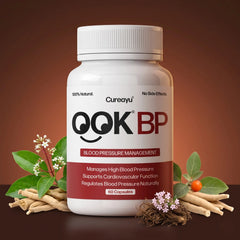
If you're working on keeping your numbers in a healthy range, OOK BP Capsules combine Ayurvedic herbs traditionally used to support healthy blood circulation and blood pressure levels — designed to sit alongside a low-salt diet, regular movement, and stress management. It's daily wellness support, not a substitute for prescribed BP medicine. If you already take blood pressure tablets or have a heart or kidney condition, please talk to your physician before adding any supplement.
FAQ
Q: What are the first signs of high blood pressure?
Often there are none — hypertension is usually silent. When signs do appear, they can include morning headaches, dizziness, a heavy or throbbing head, blurred vision, and palpitations. The only reliable way to know is to measure your BP.
Q: What is a normal blood pressure reading?
Below 120/80 mmHg is considered healthy. 130/80 and above is generally classed as high, and 180/120 or higher needs urgent medical attention.
Q: Can high blood pressure cause headaches and dizziness?
It can, particularly when readings are high, though these symptoms have many other causes too. If they're new or persistent, get your pressure checked rather than assuming.
Q: How can I lower my blood pressure naturally?
Cut salt, eat more potassium-rich vegetables and fruit, walk or exercise most days, manage stress with breathing or meditation, sleep well, maintain a healthy weight, and limit alcohol and tobacco. Track your readings at home.
Q: Is high blood pressure dangerous if I feel fine?
Yes — that's the risk. Untreated high BP quietly strains the heart, kidneys, and eyes even when you feel normal, which is why regular checks matter.
Q: Does stress raise blood pressure?
Stress can cause temporary spikes, and long-term stress and poor sleep contribute to sustained high readings. Calming practices and good rest are a genuine part of BP management.
Written & medically reviewed by Dr. Istuti, BAMS — in-house Ayurvedic physician at Cureayu. Dr. Istuti focuses on heart and metabolic wellness and reviews every health article for accuracy and compliance.
Medically reviewed on 10 August 2026.
Disclaimer: This content is for educational purposes and is not a substitute for professional medical advice. Consult a qualified physician before starting any supplement, especially if you have a kidney/prostate condition or take medication.
Sources:
- World Health Organization — Hypertension fact sheet (who.int)
- American Heart Association — Understanding Blood Pressure Readings (heart.org)
- National Heart, Lung, and Blood Institute (NHLBI) — High Blood Pressure (nhlbi.nih.gov)
- MedlinePlus — High Blood Pressure (medlineplus.gov)
- Ministry of AYUSH — monographs on Arjuna and Ashwagandha
- Charaka Samhita — classical references to hridya and rasayana herbs
Disclaimer: Educational content, not a substitute for professional medical advice. Consult a qualified physician before starting any supplement.