
Understanding Tonsil Stones: Symptoms, Causes, Treatments, and Prevention Strategies

CS
Cureayu SEO ✓ Medically reviewed
Sep 5, 2024 · 4 min read
Understanding Tonsil Stones: Symptoms, Causes, Treatments, and Prevention Strategies
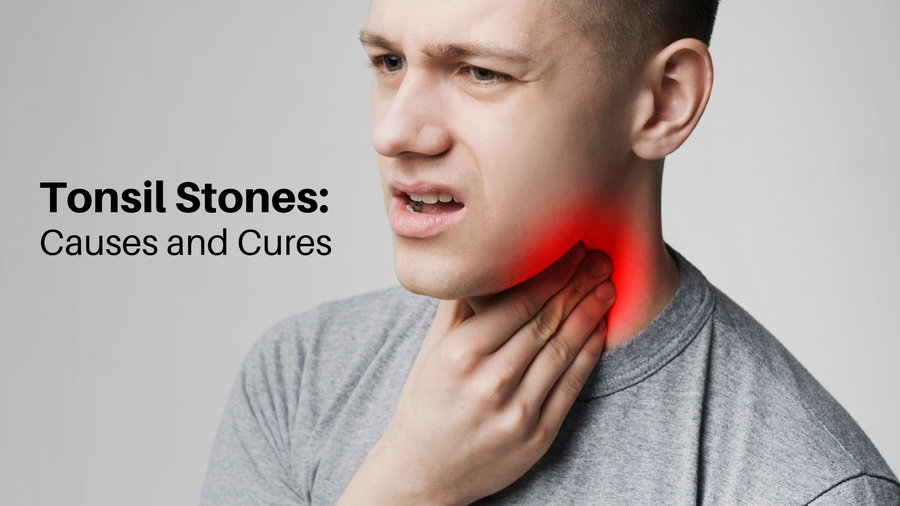
Tonsil stones, medically known as tonsilloliths, are a relatively common but often misunderstood condition. These calcified particles form in the crevices of the tonsils and can cause a range of unpleasant symptoms. Often underestimated, tonsil stones can significantly impact a person's oral health and overall well-being if not properly managed. While they are generally harmless, they can be a source of chronic discomfort and social embarrassment due to bad breath.


Despite their small size, tonsil stones can lead to more significant issues if not addressed. Understanding what tonsil stones are, their causes, symptoms, and potential treatments can be instrumental in managing them effectively. This blog aims to provide a detailed insight into tonsil stones, helping you become more aware of how to identify, treat, and prevent them.

Also Read: Understanding the Symptoms of Kidney Stones: A Comprehensive Guide to Detection, Causes, and Prevention


What Are Tonsil Stones?

Tonsil stones are small, hard deposits that form in the tonsils' crevices, known as tonsil crypts. These deposits are composed of food particles, dead cells, bacteria, and other debris that get trapped in the tonsils. Over time, the trapped debris hardens or calcifies, forming what we know as tonsil stones.


The tonsils are part of the immune system and are located at the back of the throat. They help to trap and identify pathogens, but their structure, with its numerous nooks and crannies, makes them susceptible to trapping debris. When the trapped debris is not removed, it can accumulate, leading to the formation of tonsil stones.


Tonsil Stones Symptoms

Bad Breath (Halitosis)

One of the most common and noticeable symptoms of tonsil stones is bad breath. The trapped debris in the tonsil crypts can harbor bacteria that produce sulfur compounds, leading to an unpleasant odor in your mouth.


Sore Throat

A persistent sore throat can also be a sign of tonsil stones. The stones can cause irritation and discomfort, leading to a feeling of soreness, often mistaken for a common throat infection.


Difficulty Swallowing

Tonsil stones can grow large enough to obstruct your throat, making swallowing difficult or uncomfortable. This sensation is particularly noticeable when eating or drinking and can sometimes be confused with other throat-related conditions.


Ear Pain

Though it might seem unrelated, ear pain is another symptom of tonsil stones. The nerves in the throat and ears are interconnected, so the presence of tonsil stones can sometimes cause referred pain in the ear.


Visible Tonsil Stones

In some cases, you may be able to see tonsil stones protruding from the tonsils. They appear as small white or yellowish lumps and can be mistaken for other oral issues, such as tonsillitis.

Also Read: How Healthy Eating Prevents Kidney Stones


Tonsil Stones Causes

Poor Oral Hygiene

Inadequate oral hygiene is one of the primary causes of tonsil stones. Failing to brush and floss regularly allows food particles and bacteria to accumulate in the mouth, increasing the risk of tonsil stones.


Chronic Tonsillitis

Frequent inflammation of the tonsils, known as chronic tonsillitis, can lead to the formation of tonsil stones. The constant swelling and presence of bacteria create a conducive environment for stone formation.


Large Tonsils

People with naturally large tonsils have more crevices and crypts where debris can accumulate, increasing the likelihood of developing tonsil stones.


Post-Nasal Drip

Post-nasal drip, a condition where excess mucus drips from the nasal passages into the throat, can contribute to tonsil stone formation. The mucus can mix with other debris, eventually calcifying in the tonsil crypts.


Tonsil Stones Treatments

Gargling with Salt Water

Gargling with warm salt water can help loosen tonsil stones and reduce associated symptoms. The saline solution helps to dislodge debris and kill bacteria, providing relief from discomfort.


Manual Removal

For those who can see their tonsil stones, manual removal using a cotton swab or a specialized tool can be an option. This should be done with care to avoid injury or infection.


Laser Tonsil Cryptolysis

Laser tonsil cryptolysis is a procedure where a laser is used to smooth the surface of the tonsils, reducing the number of crevices where debris can accumulate. This treatment is particularly effective for chronic sufferers.


Tonsillectomy

In severe cases, where tonsil stones are recurrent and symptomatic, a tonsillectomy (surgical removal of the tonsils) may be considered. This is usually the last resort when other treatments have failed.

Also Read: Managing Kidney Stones: Insights, Medications, and Ayurvedic Approaches


How To Prevent Tonsil Stones

Maintain Proper Oral Hygiene

Brushing and flossing regularly can significantly reduce the risk of developing tonsil stones. Keeping your mouth clean minimizes the amount of food particles and bacteria that can get trapped in your tonsils.


Stay Hydrated

Drinking plenty of water helps to keep the mouth moist and wash away food particles and bacteria. Hydration is essential for maintaining overall oral health and preventing tonsil stones.


Avoid Smoking

Smoking can exacerbate the formation of tonsil stones by irritating the tonsils and increasing bacterial growth. Avoiding smoking can help in reducing the risk of developing these stones.


Use Mouthwash

Using an antibacterial mouthwash can help kill bacteria that contribute to tonsil stone formation. Look for a mouthwash that contains ingredients like chlorhexidine, which is effective against microbes.


Conclusion

Tonsil stones, while usually harmless, can significantly impact your quality of life through symptoms like bad breath, sore throat, and difficulty swallowing. Understanding the causes and symptoms of tonsil stones is the first step toward effective management. With a range of treatment options available, from home remedies like gargling with salt water to more advanced procedures like laser tonsil cryptolysis, you have several ways to find relief. Preventative measures, such as maintaining proper oral hygiene and staying hydrated, can go a long way in reducing the likelihood of developing tonsil stones. By being proactive and informed, you can manage and prevent tonsil stones, ensuring better oral health and overall well-being.

CS
Written & reviewed by Cureayu SEO
Ayurvedic physician focused on kidney, urinary and metabolic wellness. Reviews all Cureayu health content. Medically reviewed Sep 5, 2024.

Disclaimer: Educational content, not a substitute for professional medical advice. Consult a qualified physician before starting any supplement.
ShareWAfX⧉

Understanding Tonsil Stones: Symptoms, Causes, Treatments, and Prevention Strategies

CS
Cureayu SEO ✓ Medically reviewed
Sep 5, 2024 · 4 min read
Understanding Tonsil Stones: Symptoms, Causes, Treatments, and Prevention Strategies

Tonsil stones, medically known as tonsilloliths, are a relatively common but often misunderstood condition. These calcified particles form in the crevices of the tonsils and can cause a range of unpleasant symptoms. Often underestimated, tonsil stones can significantly impact a person's oral health and overall well-being if not properly managed. While they are generally harmless, they can be a source of chronic discomfort and social embarrassment due to bad breath.


Despite their small size, tonsil stones can lead to more significant issues if not addressed. Understanding what tonsil stones are, their causes, symptoms, and potential treatments can be instrumental in managing them effectively. This blog aims to provide a detailed insight into tonsil stones, helping you become more aware of how to identify, treat, and prevent them.

Also Read: Understanding the Symptoms of Kidney Stones: A Comprehensive Guide to Detection, Causes, and Prevention


What Are Tonsil Stones?

Tonsil stones are small, hard deposits that form in the tonsils' crevices, known as tonsil crypts. These deposits are composed of food particles, dead cells, bacteria, and other debris that get trapped in the tonsils. Over time, the trapped debris hardens or calcifies, forming what we know as tonsil stones.


The tonsils are part of the immune system and are located at the back of the throat. They help to trap and identify pathogens, but their structure, with its numerous nooks and crannies, makes them susceptible to trapping debris. When the trapped debris is not removed, it can accumulate, leading to the formation of tonsil stones.


Tonsil Stones Symptoms

Bad Breath (Halitosis)

One of the most common and noticeable symptoms of tonsil stones is bad breath. The trapped debris in the tonsil crypts can harbor bacteria that produce sulfur compounds, leading to an unpleasant odor in your mouth.


Sore Throat

A persistent sore throat can also be a sign of tonsil stones. The stones can cause irritation and discomfort, leading to a feeling of soreness, often mistaken for a common throat infection.


Difficulty Swallowing

Tonsil stones can grow large enough to obstruct your throat, making swallowing difficult or uncomfortable. This sensation is particularly noticeable when eating or drinking and can sometimes be confused with other throat-related conditions.


Ear Pain

Though it might seem unrelated, ear pain is another symptom of tonsil stones. The nerves in the throat and ears are interconnected, so the presence of tonsil stones can sometimes cause referred pain in the ear.


Visible Tonsil Stones

In some cases, you may be able to see tonsil stones protruding from the tonsils. They appear as small white or yellowish lumps and can be mistaken for other oral issues, such as tonsillitis.

Also Read: How Healthy Eating Prevents Kidney Stones


Tonsil Stones Causes

Poor Oral Hygiene

Inadequate oral hygiene is one of the primary causes of tonsil stones. Failing to brush and floss regularly allows food particles and bacteria to accumulate in the mouth, increasing the risk of tonsil stones.


Chronic Tonsillitis

Frequent inflammation of the tonsils, known as chronic tonsillitis, can lead to the formation of tonsil stones. The constant swelling and presence of bacteria create a conducive environment for stone formation.


Large Tonsils

People with naturally large tonsils have more crevices and crypts where debris can accumulate, increasing the likelihood of developing tonsil stones.


Post-Nasal Drip

Post-nasal drip, a condition where excess mucus drips from the nasal passages into the throat, can contribute to tonsil stone formation. The mucus can mix with other debris, eventually calcifying in the tonsil crypts.


Tonsil Stones Treatments

Gargling with Salt Water

Gargling with warm salt water can help loosen tonsil stones and reduce associated symptoms. The saline solution helps to dislodge debris and kill bacteria, providing relief from discomfort.


Manual Removal

For those who can see their tonsil stones, manual removal using a cotton swab or a specialized tool can be an option. This should be done with care to avoid injury or infection.


Laser Tonsil Cryptolysis

Laser tonsil cryptolysis is a procedure where a laser is used to smooth the surface of the tonsils, reducing the number of crevices where debris can accumulate. This treatment is particularly effective for chronic sufferers.


Tonsillectomy

In severe cases, where tonsil stones are recurrent and symptomatic, a tonsillectomy (surgical removal of the tonsils) may be considered. This is usually the last resort when other treatments have failed.

Also Read: Managing Kidney Stones: Insights, Medications, and Ayurvedic Approaches


How To Prevent Tonsil Stones

Maintain Proper Oral Hygiene

Brushing and flossing regularly can significantly reduce the risk of developing tonsil stones. Keeping your mouth clean minimizes the amount of food particles and bacteria that can get trapped in your tonsils.


Stay Hydrated

Drinking plenty of water helps to keep the mouth moist and wash away food particles and bacteria. Hydration is essential for maintaining overall oral health and preventing tonsil stones.


Avoid Smoking

Smoking can exacerbate the formation of tonsil stones by irritating the tonsils and increasing bacterial growth. Avoiding smoking can help in reducing the risk of developing these stones.


Use Mouthwash

Using an antibacterial mouthwash can help kill bacteria that contribute to tonsil stone formation. Look for a mouthwash that contains ingredients like chlorhexidine, which is effective against microbes.


Conclusion

Tonsil stones, while usually harmless, can significantly impact your quality of life through symptoms like bad breath, sore throat, and difficulty swallowing. Understanding the causes and symptoms of tonsil stones is the first step toward effective management. With a range of treatment options available, from home remedies like gargling with salt water to more advanced procedures like laser tonsil cryptolysis, you have several ways to find relief. Preventative measures, such as maintaining proper oral hygiene and staying hydrated, can go a long way in reducing the likelihood of developing tonsil stones. By being proactive and informed, you can manage and prevent tonsil stones, ensuring better oral health and overall well-being.

CS
Written & reviewed by Cureayu SEO
Ayurvedic physician focused on kidney, urinary and metabolic wellness. Reviews all Cureayu health content. Medically reviewed Sep 5, 2024.

Disclaimer: Educational content, not a substitute for professional medical advice. Consult a qualified physician before starting any supplement.