What is Constipation? Reasons for Constipation and Effective Remedies

CS
Cureayu SEO ✓ Medically reviewed
Feb 12, 2025 · 5 min read
what is constipation

We've all experienced it at some point – that dreaded, uncomfortable feeling that just won't go away. It's called constipation, and it’s a common ailment that impacts millions of people's lives every day. While it might seem like a minor inconvenience, chronic constipation can significantly affect your overall well-being. It's important to understand the mechanics of this condition, recognize its symptoms, identify its causes, and explore effective treatments.


Constipation can be stressful and embarrassing to discuss, but the reality is that it’s a natural bodily function and addressing it head-on is crucial. This comprehensive blog will dive into the details of constipation, unraveling its symptoms, causes, and preventive measures, helping you to regain comfort and maintain a healthier lifestyle.

Also Read: Effective Home Remedies For Stomach Pain: Natural Solutions For Quick Relief


What is Constipation

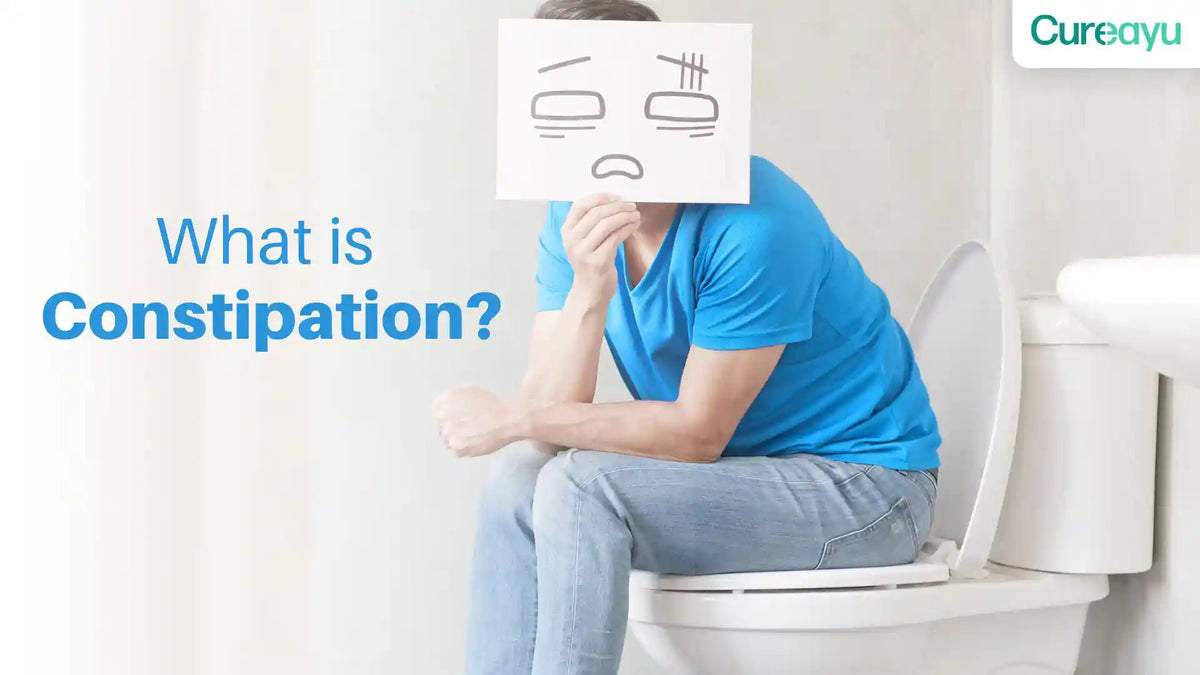
Constipation is the medical term for when an individual experiences infrequent or difficult bowel movements, often accompanied by discomfort. This condition is usually defined as having fewer than three bowel movements a week, with stool that is hard, dry, and difficult to pass. Constipation doesn’t only involve discomfort but can also lead to other health complications if left untreated.


Physiologically, constipation involves the large intestine absorbing too much water from the food as it moves through the digestive system, which makes the stool dry and hard. Muscle contractions in the colon then become sluggish and inadequate, taking longer than usual for the waste to pass through. Recognizing these signs early can prompt quick intervention and relief.

Also Read: Gastric Problem Symptoms, Causes, Signs and How to Avoid Them: Ideal Destination


Constipation Symptoms

Infrequent Bowel Movements

One of the most noticeable symptoms is infrequent bowel movements. If you’re having less than three bowel movements per week, it’s indicative of constipation. This irregularity can lead to a buildup of waste, causing discomfort and bloating.


Straining During Bowel Movements

Straining to pass stool is another common symptom. This occurs due to hard and dry stool that is difficult to pass. Prolonged straining can lead to further complications like hemorrhoids, adding to the discomfort.


Hard or Lumpy Stools

When constipated, the stool often appears hard or lumpy. This is a result of the stool passing slowly through the colon, where more water gets absorbed, making it difficult to pass.


Abdominal Discomfort or Pain

Severe constipation can cause abdominal pain or discomfort. This pain is usually due to the built-up stool pressing against the intestinal lining or stretching the intestines, causing cramps and bloating.


Feeling of Incomplete Evacuation

Even after a bowel movement, there may be a persistent feeling of not having fully emptied the bowels. This constant sensation of incomplete evacuation can be distressing and bother your daily routine.

Also Read: Food for Digestion: Navigating Digestion with the Art of Food Selection for Gut Harmony


What Causes Constipation

Understanding the reasons for constipation can help in developing a targeted approach to treatment. Here are some common causes:


Low Fiber Diet

A diet that lacks adequate fiber is a primary cause of constipation. Fiber helps soften stool by adding bulk, making it easier to pass. Without enough fiber from fruits, vegetables, and whole grains, the stool can become dry and hard.


Dehydration

Insufficient water intake can lead to dehydration, which in turn causes constipation. Water helps in keeping stools soft; hence, low fluid consumption results in harder stools that are difficult to pass.


Sedentary Lifestyle

Physical inactivity can slow down the digestion process. Regular movement helps stimulate the muscles in your intestines, which are needed for moving stool. A lack of exercise can lead to sluggish bowel movements.


Delaying Bowel Movements

Ignoring the urge to have a bowel movement can lead to constipation. Over time, delayed bowel movements can train your body to stop responding to the natural urge to defecate, making constipation a chronic issue.


Medication

Certain medications like painkillers, antidepressants, and iron supplements can cause constipation as a side effect. Always consult your doctor if you suspect your medication is contributing to your constipation.


Changes in Routine

Travel, pregnancy, aging, and changes in eating habits can disrupt your daily routine, impacting your digestive system and leading to temporary constipation.


Constipation Treatment

Dietary Changes

Incorporating more fiber into your diet through fruits, veggies, and whole grains can relieve constipation. Fiber adds bulk and moisture to the stool, making it easier to pass.


Hydration

Increasing water intake is key. Drinking at least 8-10 glasses of water a day can soften stool and promote bowel movements.


Regular Exercise

Engaging in regular physical activity helps stimulate intestinal function. Activities like walking, swimming, or yoga can improve digestion and reduce constipation.


Over-the-Counter Laxatives

Mild laxatives can be used temporarily to alleviate constipation. However, they should not become a long-term solution due to potential dependency and decreased colon function.


Prescription Medication

In severe cases, a doctor may prescribe medication to aid bowel movements. These are usually considered when lifestyle changes and over-the-counter solutions fail.


Schedule and Routine

Establishing a regular bowel routine can help. Going to the bathroom at the same times each day can train your digestive system to become more regular.

Also Read: Home Remedies for Constipation: Natural Solutions for Immediate Relief


Prevention Tips

Increase Fiber Intake

Boost your fiber consumption by eating more fruits, vegetables, and cereals. Aim for 25-30 grams of fiber every day to help keep stools soft and regular.


Stay Hydrated

Drink plenty of fluids, especially water. Keeping well-hydrated helps maintain soft stool consistency.


Exercise Regularly

Incorporate physical activity into your daily routine. Exercise encourages muscle contractions in the intestines.


Maintain a Consistent Eating Schedule

Eating meals at the same time each day can help regulate your digestive system.


Don't Ignore the Urge to Go

Listen to your body and go to the bathroom as soon as you feel the urge to poop to prevent stools from becoming harder and more difficult to pass.


Limit Intake of Processed Foods

Foods high in fats and low in fiber, like processed foods, can contribute to constipation. Opt for healthier, natural food choices.


Final Words

Constipation might seem like a trivial matter, but its impact on daily life and overall health is significant. Understanding the symptoms and identifying the causes are the first steps to finding relief. By making simple lifestyle and dietary changes, you can alleviate symptoms and prevent future occurrences.


Remember, it’s important to address constipation timely and consult a healthcare provider if it becomes a persistent problem. Prioritizing your digestive health is key to maintaining an overall sense of health and well-being. Make a commitment to taking these steps, and you’ll be well on your way to a happier, more comfortable you.

CS
Written & reviewed by Cureayu SEO
Ayurvedic physician focused on kidney, urinary and metabolic wellness. Reviews all Cureayu health content. Medically reviewed Feb 12, 2025.

Disclaimer: Educational content, not a substitute for professional medical advice. Consult a qualified physician before starting any supplement.

ShareWAfX⧉

What is Constipation? Reasons for Constipation and Effective Remedies
CS
Cureayu SEO ✓ Medically reviewed
Feb 12, 2025 · 5 min read
what is constipation

We've all experienced it at some point – that dreaded, uncomfortable feeling that just won't go away. It's called constipation, and it’s a common ailment that impacts millions of people's lives every day. While it might seem like a minor inconvenience, chronic constipation can significantly affect your overall well-being. It's important to understand the mechanics of this condition, recognize its symptoms, identify its causes, and explore effective treatments.


Constipation can be stressful and embarrassing to discuss, but the reality is that it’s a natural bodily function and addressing it head-on is crucial. This comprehensive blog will dive into the details of constipation, unraveling its symptoms, causes, and preventive measures, helping you to regain comfort and maintain a healthier lifestyle.

Also Read: Effective Home Remedies For Stomach Pain: Natural Solutions For Quick Relief


What is Constipation

Constipation is the medical term for when an individual experiences infrequent or difficult bowel movements, often accompanied by discomfort. This condition is usually defined as having fewer than three bowel movements a week, with stool that is hard, dry, and difficult to pass. Constipation doesn’t only involve discomfort but can also lead to other health complications if left untreated.


Physiologically, constipation involves the large intestine absorbing too much water from the food as it moves through the digestive system, which makes the stool dry and hard. Muscle contractions in the colon then become sluggish and inadequate, taking longer than usual for the waste to pass through. Recognizing these signs early can prompt quick intervention and relief.

Also Read: Gastric Problem Symptoms, Causes, Signs and How to Avoid Them: Ideal Destination


Constipation Symptoms

Infrequent Bowel Movements

One of the most noticeable symptoms is infrequent bowel movements. If you’re having less than three bowel movements per week, it’s indicative of constipation. This irregularity can lead to a buildup of waste, causing discomfort and bloating.


Straining During Bowel Movements

Straining to pass stool is another common symptom. This occurs due to hard and dry stool that is difficult to pass. Prolonged straining can lead to further complications like hemorrhoids, adding to the discomfort.


Hard or Lumpy Stools

When constipated, the stool often appears hard or lumpy. This is a result of the stool passing slowly through the colon, where more water gets absorbed, making it difficult to pass.


Abdominal Discomfort or Pain

Severe constipation can cause abdominal pain or discomfort. This pain is usually due to the built-up stool pressing against the intestinal lining or stretching the intestines, causing cramps and bloating.


Feeling of Incomplete Evacuation

Even after a bowel movement, there may be a persistent feeling of not having fully emptied the bowels. This constant sensation of incomplete evacuation can be distressing and bother your daily routine.

Also Read: Food for Digestion: Navigating Digestion with the Art of Food Selection for Gut Harmony


What Causes Constipation

Understanding the reasons for constipation can help in developing a targeted approach to treatment. Here are some common causes:


Low Fiber Diet

A diet that lacks adequate fiber is a primary cause of constipation. Fiber helps soften stool by adding bulk, making it easier to pass. Without enough fiber from fruits, vegetables, and whole grains, the stool can become dry and hard.


Dehydration

Insufficient water intake can lead to dehydration, which in turn causes constipation. Water helps in keeping stools soft; hence, low fluid consumption results in harder stools that are difficult to pass.


Sedentary Lifestyle

Physical inactivity can slow down the digestion process. Regular movement helps stimulate the muscles in your intestines, which are needed for moving stool. A lack of exercise can lead to sluggish bowel movements.


Delaying Bowel Movements

Ignoring the urge to have a bowel movement can lead to constipation. Over time, delayed bowel movements can train your body to stop responding to the natural urge to defecate, making constipation a chronic issue.


Medication

Certain medications like painkillers, antidepressants, and iron supplements can cause constipation as a side effect. Always consult your doctor if you suspect your medication is contributing to your constipation.


Changes in Routine

Travel, pregnancy, aging, and changes in eating habits can disrupt your daily routine, impacting your digestive system and leading to temporary constipation.


Constipation Treatment

Dietary Changes

Incorporating more fiber into your diet through fruits, veggies, and whole grains can relieve constipation. Fiber adds bulk and moisture to the stool, making it easier to pass.


Hydration

Increasing water intake is key. Drinking at least 8-10 glasses of water a day can soften stool and promote bowel movements.


Regular Exercise

Engaging in regular physical activity helps stimulate intestinal function. Activities like walking, swimming, or yoga can improve digestion and reduce constipation.


Over-the-Counter Laxatives

Mild laxatives can be used temporarily to alleviate constipation. However, they should not become a long-term solution due to potential dependency and decreased colon function.


Prescription Medication

In severe cases, a doctor may prescribe medication to aid bowel movements. These are usually considered when lifestyle changes and over-the-counter solutions fail.


Schedule and Routine

Establishing a regular bowel routine can help. Going to the bathroom at the same times each day can train your digestive system to become more regular.

Also Read: Home Remedies for Constipation: Natural Solutions for Immediate Relief


Prevention Tips

Increase Fiber Intake

Boost your fiber consumption by eating more fruits, vegetables, and cereals. Aim for 25-30 grams of fiber every day to help keep stools soft and regular.


Stay Hydrated

Drink plenty of fluids, especially water. Keeping well-hydrated helps maintain soft stool consistency.


Exercise Regularly

Incorporate physical activity into your daily routine. Exercise encourages muscle contractions in the intestines.


Maintain a Consistent Eating Schedule

Eating meals at the same time each day can help regulate your digestive system.


Don't Ignore the Urge to Go

Listen to your body and go to the bathroom as soon as you feel the urge to poop to prevent stools from becoming harder and more difficult to pass.


Limit Intake of Processed Foods

Foods high in fats and low in fiber, like processed foods, can contribute to constipation. Opt for healthier, natural food choices.


Final Words

Constipation might seem like a trivial matter, but its impact on daily life and overall health is significant. Understanding the symptoms and identifying the causes are the first steps to finding relief. By making simple lifestyle and dietary changes, you can alleviate symptoms and prevent future occurrences.


Remember, it’s important to address constipation timely and consult a healthcare provider if it becomes a persistent problem. Prioritizing your digestive health is key to maintaining an overall sense of health and well-being. Make a commitment to taking these steps, and you’ll be well on your way to a happier, more comfortable you.

CS
Written & reviewed by Cureayu SEO
Ayurvedic physician focused on kidney, urinary and metabolic wellness. Reviews all Cureayu health content. Medically reviewed Feb 12, 2025.

Disclaimer: Educational content, not a substitute for professional medical advice. Consult a qualified physician before starting any supplement.