Lower Back Pain (Kamar Dard): Causes, Ayurvedic Relief & When to Worry
Lower Back Pain (Kamar Dard): Causes, Ayurvedic Relief & When to Worry
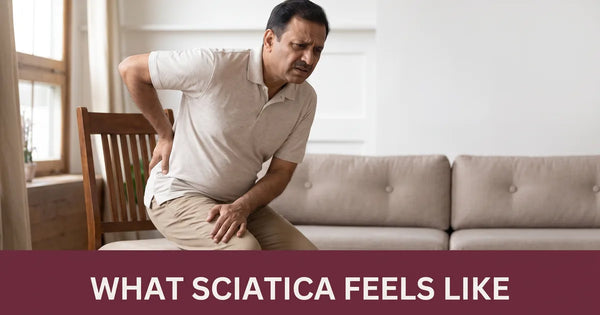
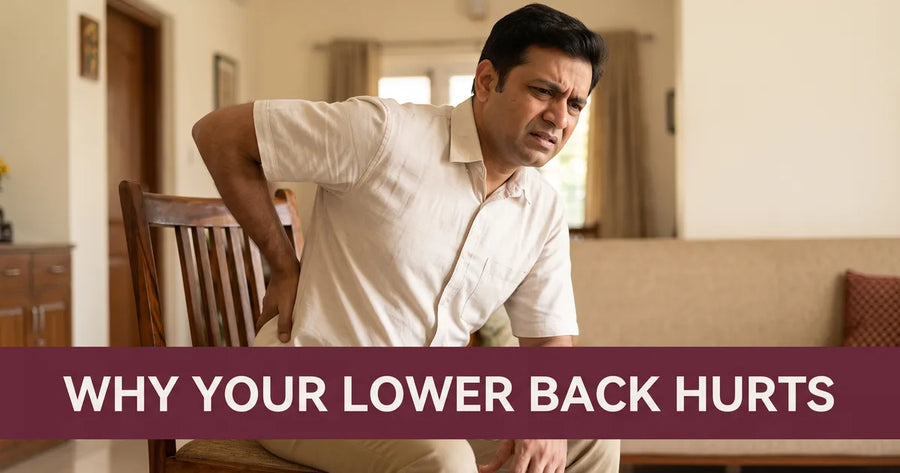
Almost everyone gets lower back pain (kamar dard) at some point — bending to lift a bucket, sitting too long at a desk, or simply waking up stiff. Most of the time it settles on its own. But when the ache lingers for weeks, keeps returning, or starts shooting down a leg, it stops being "just a strain" and becomes something worth understanding properly.
This guide explains what usually causes lower back pain, the practical steps that genuinely help, where Ayurveda fits in, and — most importantly — the warning signs that mean you should see a doctor rather than wait it out.
Key Takeaways
- Most lower back pain is mechanical — from muscles, ligaments, posture or lifting — and improves within a few weeks.
- Staying gently active usually helps more than strict bed rest, which can stiffen the back further.
- Posture, core strength, weight and daily habits are the biggest levers you control.
- Ayurveda views kamar dard largely as an aggravated Vata problem and traditionally uses warmth, oil massage (abhyanga) and gentle movement to support comfort.
- Red-flag signs — leg weakness, numbness in the groin, loss of bladder/bowel control, fever, or pain after a fall — need prompt medical care.
What usually causes lower back pain
The lower back carries most of your body's weight and moves constantly, so it's vulnerable to everyday wear. The most common causes are mechanical — meaning they come from the muscles, joints and discs rather than a serious disease:
- Muscle or ligament strain — from lifting wrong, a sudden twist, or overdoing physical work.
- Poor posture and long sitting — hours hunched at a desk or phone load the lower spine.
- Weak core muscles — when the abdominal and back muscles are weak, the spine takes more strain.
- Excess body weight — extra weight around the belly pulls the lower back forward.
- Age-related changes — discs naturally lose some cushioning over the years, which can cause stiffness.
- Sciatica — when a lower-back nerve is irritated, pain can travel down the buttock and leg.
Less commonly, back pain comes from conditions such as a slipped (herniated) disc, kidney issues, or inflammation — which is exactly why persistent or unusual pain deserves a proper check rather than self-diagnosis.
Symptoms: is it a simple strain or something more?
A simple mechanical strain usually feels like a dull ache or stiffness centred in the lower back, worse with certain movements and better with rest and gentle activity. It typically eases over days to a few weeks.
Pay closer attention if the pain travels down the leg (possible nerve involvement), is accompanied by numbness or tingling, feels worse at night or at rest, or comes with fever, weight loss, or urinary changes. These patterns don't automatically mean something serious, but they're the reason to get examined instead of guessing.
The Ayurvedic perspective on kamar dard
Ayurveda classes most lower back pain under conditions driven by aggravated Vata dosha — the principle governing movement, dryness and the nervous system. When Vata is disturbed (by cold, irregular routine, heavy strain, or long gaps between meals), it's said to settle in the joints and lower back, producing that familiar dry, catching stiffness.
Traditional support therefore centres on warmth and nourishment rather than cold and rest alone:
- Abhyanga (warm oil massage) — gentle self-massage of the lower back with warm sesame or a medicated oil is a classic daily practice for comfort and mobility.
- Swedana (warm compress / fomentation) — applying warmth after oiling helps ease stiff, tight muscles.
- A Vata-pacifying routine — regular meals, warm cooked food, adequate rest, and avoiding cold, dry, or excessive strain.
Certain herbs are also traditionally used in Ayurveda to support joint, muscle and back comfort — such as Nirgundi, Rasna, Guggulu and Ashwagandha. These are described as traditional support for a healthy, active back as part of a routine — not as a cure for spinal disease.
Practical steps that actually help
Most everyday back pain responds well to simple, consistent habits:
- Keep moving gently. Short walks and light activity usually beat strict bed rest, which stiffens the back. Avoid only what clearly worsens the pain.
- Fix your sitting setup. Sit back in the chair with lower-back support, feet flat, screen at eye level. Stand and stretch every 30–45 minutes.
- Lift smart. Bend at the knees, keep the load close to your body, and don't twist while lifting.
- Strengthen your core. Gentle strengthening and stretching (and yoga poses like Bhujangasana and Marjariasana, done carefully) support the spine over time.
- Apply warmth. A warm compress or warm-oil massage can relax tight lower-back muscles.
- Mind your weight and sleep. Losing excess belly weight reduces strain; a medium-firm mattress and side-sleeping with a pillow between the knees often help.
Give these habits a few weeks of consistency — the back rewards routine, not one-off effort.
When to see a doctor
See a doctor promptly if your lower back pain comes with any of these red flags:
- Weakness, numbness or tingling in one or both legs.
- Numbness around the groin or inner thighs, or loss of bladder or bowel control (this needs emergency care).
- Pain following a fall, accident or injury.
- Fever, unexplained weight loss, or pain that is worse at night or at rest.
- Pain that doesn't improve after a few weeks, or keeps coming back.
Also check in if you have osteoporosis, are over 50 with new back pain, or take medicines that affect your bones. Getting examined early rules out the uncommon-but-important causes and gets you the right plan faster.
How SpineSafe fits
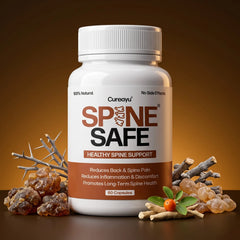
SpineSafe is our Ayurvedic supplement formulated with herbs traditionally used to support back, spine and muscle comfort and an active daily routine. It's meant to sit alongside good posture, gentle exercise, warmth and sensible lifting — not to replace physiotherapy or medical treatment for a diagnosed spine condition. If your pain is severe, persistent, or comes with any red-flag sign above, please see a doctor before relying on any supplement. Learn more about SpineSafe →
FAQ
What is the main cause of lower back pain?
Most lower back pain is mechanical — from muscle or ligament strain, poor posture, long sitting, weak core muscles or excess weight. It usually improves within a few weeks. Persistent or leg-radiating pain should be checked by a doctor.
How can I relieve lower back pain at home?
Stay gently active rather than resting completely, apply warmth or a warm-oil massage, improve your sitting posture, lift correctly, and do gentle stretching or core exercises. See a doctor if the pain is severe, spreads to the leg, or doesn't settle in a few weeks.
Is walking good for lower back pain?
Yes, for most everyday back pain, gentle walking helps by keeping the muscles active and preventing stiffness. Start slow and avoid movements that clearly worsen the pain. If walking sharply increases pain or causes leg symptoms, get it checked.
Which Ayurvedic remedies are used for kamar dard?
Ayurveda traditionally uses warm oil massage (abhyanga), warm compress (swedana), a Vata-pacifying routine, and herbs such as Nirgundi, Rasna, Guggulu and Ashwagandha to support back and muscle comfort. These are traditional support, not a cure for spinal disease — see a doctor for persistent pain.
When should I worry about lower back pain?
Seek prompt care if you have leg weakness or numbness, numbness around the groin, loss of bladder or bowel control, pain after an injury, fever, unexplained weight loss, or pain that is worse at rest or lasts more than a few weeks.
Written & medically reviewed by Dr. Istuti, BAMS — in-house Ayurvedic physician at Cureayu. Medically reviewed on 13 August 2026.
Disclaimer: This content is for educational purposes and is not a substitute for professional medical advice. Consult a qualified physician before starting any supplement, especially if you have a spine condition or take medication.
Sources:
MedlinePlus — Low Back Pain (Acute): medlineplus.gov/ency/article/007425.htm
NIAMS — Back Pain: niams.nih.gov/health-topics/back-pain
Ministry of AYUSH: ayush.gov.in
Disclaimer: Educational content, not a substitute for professional medical advice. Consult a qualified physician before starting any supplement.