Slip Disc: Symptoms, Causes & Ayurvedic Relief

DI
Dr. Istuti ✓ Medically reviewed
Oct 9, 2026 · 4 min read
Slip Disc: Symptoms, Causes & Ayurvedic Relief
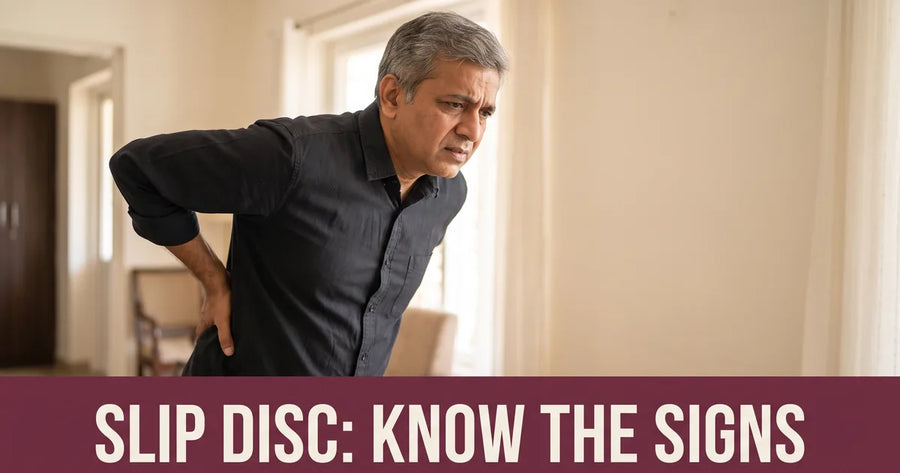
Slip Disc: Symptoms, Causes & Ayurvedic Relief

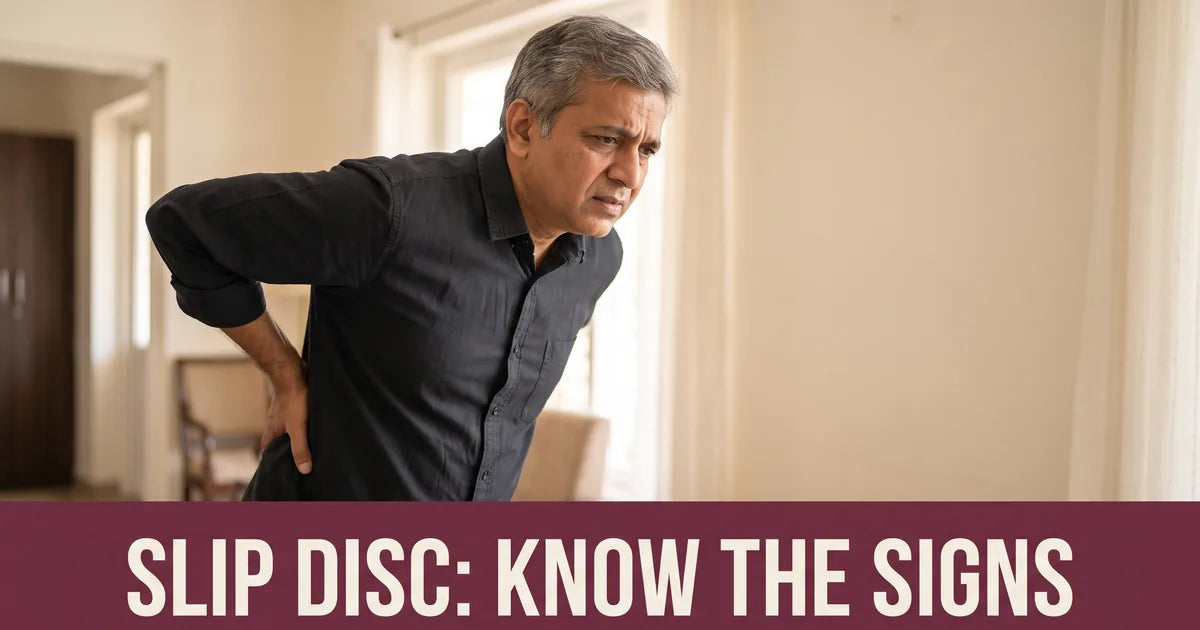
“Slip disc” is one of those phrases people dread hearing — but it is more common and more manageable than its scary reputation suggests. Understanding what it really is, how to spot it, and which daily habits help can turn a frightening diagnosis into a practical plan. Here is a clear, compliant guide, with an Ayurvedic perspective on back and spine wellness.

Key Takeaways

  • A “slip disc” (herniated or prolapsed disc) is when the soft cushion between two spine bones bulges and presses on a nearby nerve.
  • Typical signs: back pain, pain shooting down a leg or arm, numbness or tingling, and weakness.
  • Most cases improve with time, gentle movement and good posture — prolonged bed rest usually is not the answer.
  • Red-flag symptoms (loss of bladder/bowel control, severe or spreading weakness) are a medical emergency.
  • Ayurveda supports spine comfort through vata-balancing routines, warmth and traditional herbs — alongside, not instead of, medical care.

What Is a Slip Disc?

Between each pair of vertebrae (spine bones) sits a disc — a tough ring with a soft, gel-like centre that acts as a shock absorber. In a “slip disc,” part of that soft centre pushes out through a weak spot in the ring. The disc does not literally slip; it bulges or herniates, and if it presses on a nearby nerve, that is when pain and other symptoms begin. It happens most often in the lower back (lumbar) and sometimes the neck (cervical).

Symptoms of a Slip Disc

Signs depend on where the disc is and which nerve is affected, but commonly include:

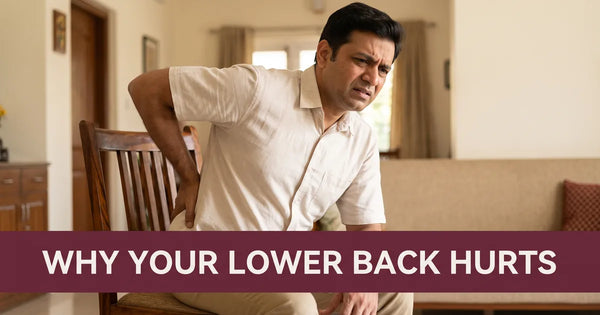
  • Lower-back or neck pain that may worsen with bending, sitting or coughing
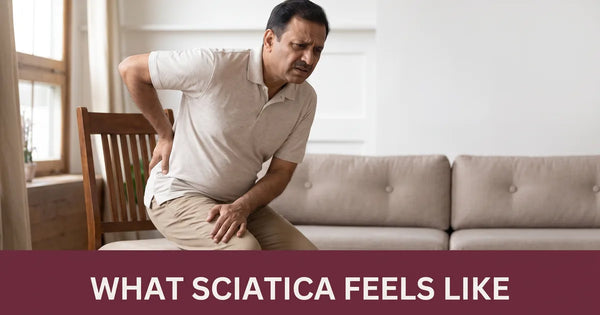
  • Radiating pain — down a leg (sciatica-type) or down an arm
  • Numbness or tingling in the leg, foot, arm or hand
  • Muscle weakness in the affected limb

Pain that travels below the knee, or that comes with numbness, is a classic nerve-irritation pattern worth getting assessed.

What Causes a Slip Disc?

  • Age-related wear — discs lose water and flexibility over time
  • Heavy or awkward lifting, especially twisting while lifting
  • Sudden strain or injury
  • Prolonged sitting and poor posture (desk work, long commutes)
  • Excess body weight and weak core muscles
  • Smoking, which may reduce disc nutrition

The Ayurvedic Perspective

Ayurveda sees spine and nerve health as closely tied to vata dosha, which governs movement and the nervous system. Aggravated vata — from cold, dryness, irregular routine, heavy strain or excessive sitting — is linked to stiffness, pain and the dryness of the supporting tissues.

Traditional care therefore emphasises warmth, nourishment and gentle mobility. Herbs traditionally used to support joint, muscle and nerve comfort include Guggulu (Commiphora mukul), Nirgundi (Vitex negundo) and Ashwagandha (Withania somnifera). Classical therapies such as abhyanga (warm-oil massage) and kati basti are often used for back comfort under a qualified practitioner. These support wellness and should complement — never replace — medical evaluation and any prescribed treatment.

Practical Steps for Relief

  • Keep moving gently. Short, frequent walks usually help more than long bed rest.
  • Mind your posture. Sit with lower-back support, keep screens at eye level, and avoid slouching.
  • Lift smart. Bend the knees, keep the load close, and never twist while lifting.
  • Strengthen your core with doctor- or physiotherapist-approved exercises once acute pain settles.
  • Use warmth (a warm compress) for comfort and to ease muscle tightness.
  • Take breaks from long sitting — stand and stretch every 30–45 minutes.

When to See a Doctor

See a doctor if back or neck pain is severe, keeps returning, or travels down a limb with numbness or weakness. Seek emergency care immediately if you have loss of bladder or bowel control, numbness around the groin or inner thighs, or rapidly worsening leg weakness — these can signal nerve compression that needs urgent treatment. A proper examination (and imaging if advised) guides the right plan.

How SpineSafe® Fits

Everyday spine care is built on movement, posture and strength. SpineSafe® Capsules are an Ayurvedic formulation traditionally used to support back and spine comfort and healthy joint function as part of a balanced routine. They are a complement to — not a replacement for — medical care, physiotherapy or prescribed treatment. Please discuss any supplement with your physician, particularly if you take other medicines.

Frequently Asked Questions

Does a slip disc heal on its own?
Many slip discs improve over weeks to a few months with gentle activity, posture care and guided exercise. Your doctor can advise whether further treatment is needed.

Is complete bed rest good for a slip disc?
Usually no. Short rest during severe pain is fine, but prolonged bed rest tends to stiffen the back. Gentle, gradual movement is generally encouraged.

What’s the difference between a slip disc and sciatica?
A slip disc is the structural problem; sciatica is the leg pain that can result when a herniated lumbar disc presses on the sciatic nerve. One can cause the other.

Can exercise make a slip disc worse?
Wrong exercises or heavy lifting can aggravate it, but the right, guided movements usually help recovery. Get an exercise plan from a doctor or physiotherapist.

When is a slip disc an emergency?
If you lose bladder or bowel control, feel numbness around the groin, or have rapidly worsening weakness, seek emergency care at once.


Written & medically reviewed by Dr. Istuti, BAMS — in-house Ayurvedic physician at Cureayu, focused on joint, spine and metabolic wellness. Dr. Istuti reviews every Cureayu health article for accuracy and compliance.
Medically reviewed on October 9, 2026.

Disclaimer: This content is for educational purposes and is not a substitute for professional medical advice. Consult a qualified physician before starting any supplement, especially if you have a kidney/prostate condition or take medication.

Sources

Related reading: Sciatica Pain: Symptoms, Causes & Relief · Lower Back Pain (Kamar Dard): Causes & Relief · Knee Pain: Causes & Ayurvedic Relief
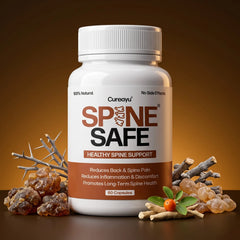
SpineSafe® Capsules−10%
MENTIONED IN THIS ARTICLE
SpineSafe® Capsules
★ 4.79 · 612 reviews
₹849 ₹950
DI
Written & reviewed by Dr. Istuti
Ayurvedic physician focused on kidney, urinary and metabolic wellness. Reviews all Cureayu health content. Medically reviewed Oct 9, 2026.

Disclaimer: Educational content, not a substitute for professional medical advice. Consult a qualified physician before starting any supplement.
ShareWAfX⧉

Slip Disc: Symptoms, Causes & Ayurvedic Relief

DI
Dr. Istuti ✓ Medically reviewed
Oct 9, 2026 · 4 min read
Slip Disc: Symptoms, Causes & Ayurvedic Relief

Slip Disc: Symptoms, Causes & Ayurvedic Relief

“Slip disc” is one of those phrases people dread hearing — but it is more common and more manageable than its scary reputation suggests. Understanding what it really is, how to spot it, and which daily habits help can turn a frightening diagnosis into a practical plan. Here is a clear, compliant guide, with an Ayurvedic perspective on back and spine wellness.

Key Takeaways

  • A “slip disc” (herniated or prolapsed disc) is when the soft cushion between two spine bones bulges and presses on a nearby nerve.
  • Typical signs: back pain, pain shooting down a leg or arm, numbness or tingling, and weakness.
  • Most cases improve with time, gentle movement and good posture — prolonged bed rest usually is not the answer.
  • Red-flag symptoms (loss of bladder/bowel control, severe or spreading weakness) are a medical emergency.
  • Ayurveda supports spine comfort through vata-balancing routines, warmth and traditional herbs — alongside, not instead of, medical care.

What Is a Slip Disc?

Between each pair of vertebrae (spine bones) sits a disc — a tough ring with a soft, gel-like centre that acts as a shock absorber. In a “slip disc,” part of that soft centre pushes out through a weak spot in the ring. The disc does not literally slip; it bulges or herniates, and if it presses on a nearby nerve, that is when pain and other symptoms begin. It happens most often in the lower back (lumbar) and sometimes the neck (cervical).

Symptoms of a Slip Disc

Signs depend on where the disc is and which nerve is affected, but commonly include:

  • Lower-back or neck pain that may worsen with bending, sitting or coughing
  • Radiating pain — down a leg (sciatica-type) or down an arm
  • Numbness or tingling in the leg, foot, arm or hand
  • Muscle weakness in the affected limb

Pain that travels below the knee, or that comes with numbness, is a classic nerve-irritation pattern worth getting assessed.

What Causes a Slip Disc?

  • Age-related wear — discs lose water and flexibility over time
  • Heavy or awkward lifting, especially twisting while lifting
  • Sudden strain or injury
  • Prolonged sitting and poor posture (desk work, long commutes)
  • Excess body weight and weak core muscles
  • Smoking, which may reduce disc nutrition

The Ayurvedic Perspective

Ayurveda sees spine and nerve health as closely tied to vata dosha, which governs movement and the nervous system. Aggravated vata — from cold, dryness, irregular routine, heavy strain or excessive sitting — is linked to stiffness, pain and the dryness of the supporting tissues.

Traditional care therefore emphasises warmth, nourishment and gentle mobility. Herbs traditionally used to support joint, muscle and nerve comfort include Guggulu (Commiphora mukul), Nirgundi (Vitex negundo) and Ashwagandha (Withania somnifera). Classical therapies such as abhyanga (warm-oil massage) and kati basti are often used for back comfort under a qualified practitioner. These support wellness and should complement — never replace — medical evaluation and any prescribed treatment.

Practical Steps for Relief

  • Keep moving gently. Short, frequent walks usually help more than long bed rest.
  • Mind your posture. Sit with lower-back support, keep screens at eye level, and avoid slouching.
  • Lift smart. Bend the knees, keep the load close, and never twist while lifting.
  • Strengthen your core with doctor- or physiotherapist-approved exercises once acute pain settles.
  • Use warmth (a warm compress) for comfort and to ease muscle tightness.
  • Take breaks from long sitting — stand and stretch every 30–45 minutes.

When to See a Doctor

See a doctor if back or neck pain is severe, keeps returning, or travels down a limb with numbness or weakness. Seek emergency care immediately if you have loss of bladder or bowel control, numbness around the groin or inner thighs, or rapidly worsening leg weakness — these can signal nerve compression that needs urgent treatment. A proper examination (and imaging if advised) guides the right plan.

How SpineSafe® Fits

Everyday spine care is built on movement, posture and strength. SpineSafe® Capsules are an Ayurvedic formulation traditionally used to support back and spine comfort and healthy joint function as part of a balanced routine. They are a complement to — not a replacement for — medical care, physiotherapy or prescribed treatment. Please discuss any supplement with your physician, particularly if you take other medicines.

Frequently Asked Questions

Does a slip disc heal on its own?
Many slip discs improve over weeks to a few months with gentle activity, posture care and guided exercise. Your doctor can advise whether further treatment is needed.

Is complete bed rest good for a slip disc?
Usually no. Short rest during severe pain is fine, but prolonged bed rest tends to stiffen the back. Gentle, gradual movement is generally encouraged.

What’s the difference between a slip disc and sciatica?
A slip disc is the structural problem; sciatica is the leg pain that can result when a herniated lumbar disc presses on the sciatic nerve. One can cause the other.

Can exercise make a slip disc worse?
Wrong exercises or heavy lifting can aggravate it, but the right, guided movements usually help recovery. Get an exercise plan from a doctor or physiotherapist.

When is a slip disc an emergency?
If you lose bladder or bowel control, feel numbness around the groin, or have rapidly worsening weakness, seek emergency care at once.


Written & medically reviewed by Dr. Istuti, BAMS — in-house Ayurvedic physician at Cureayu, focused on joint, spine and metabolic wellness. Dr. Istuti reviews every Cureayu health article for accuracy and compliance.
Medically reviewed on October 9, 2026.

Disclaimer: This content is for educational purposes and is not a substitute for professional medical advice. Consult a qualified physician before starting any supplement, especially if you have a kidney/prostate condition or take medication.

Sources

Related reading: Sciatica Pain: Symptoms, Causes & Relief · Lower Back Pain (Kamar Dard): Causes & Relief · Knee Pain: Causes & Ayurvedic Relief

DI
Written & reviewed by Dr. Istuti
Ayurvedic physician focused on kidney, urinary and metabolic wellness. Reviews all Cureayu health content. Medically reviewed Oct 9, 2026.

Disclaimer: Educational content, not a substitute for professional medical advice. Consult a qualified physician before starting any supplement.