Is Oats Good for Kidney Patients?

Is Oats (Oats/Oatmeal) Good for Kidney Patients?
When a family member has a kidney condition, the morning breakfast suddenly needs a second look. Oats are everywhere now — marketed as "healthy", "high-fibre", "good for the heart" — so it feels like they must be safe for the kidneys too. The honest answer is mostly yes, in sensible portions, with a couple of numbers worth understanding.
This doctor-reviewed guide explains what is actually in oats, why they can be a good breakfast for many people watching their kidneys, when the portion needs more care, and how Ayurveda views this grain.
Key Takeaways
- Oats are a wholesome whole grain, rich in soluble fibre (beta-glucan) that supports healthy cholesterol and steadier blood sugar.
- Compared with vegetables, oats are moderate — not low — in potassium and phosphorus, and fairly high in protein, so portion size matters on a kidney diet.
- A normal 40 g (about ½ cup dry) serving is gentle for most people; it is large, daily, heaped bowls that add up.
- In advanced kidney disease or on dialysis, potassium, phosphorus and protein are all counted — follow your dietitian's portion.
- The bigger risk is usually the toppings: sugar, salted/flavoured instant sachets, nuts and chocolate — not the plain oats themselves.
Is Oats Good for Kidney Patients?
For most people keeping an eye on their kidneys, plain oats in a normal portion are a sensible, heart-friendly breakfast. Oats are a whole grain high in soluble fibre, but they are only moderate in potassium and phosphorus and fairly high in protein — so the key is a sensible serving (around 40 g dry) rather than large daily bowls. People with advanced kidney disease or on dialysis should follow the portion their dietitian advises.
What Is Actually in Oats?
Most food worries for kidney patients come down to four numbers — potassium, phosphorus, sodium and protein. Here is roughly where plain rolled/old-fashioned oats sit (per 100 g, dry):
- Potassium: moderate — around 350–400 mg per 100 g dry. A realistic 40 g serving is only about 140–160 mg.
- Phosphorus: moderate — around 400–500 mg per 100 g dry (~170–200 mg in a 40 g serving). Importantly, this is plant phosphorus, which the body absorbs less completely than the phosphate additives in processed foods.
- Sodium: naturally very low in plain oats — only a few milligrams. (Instant/flavoured sachets are a different story.)
- Protein: fairly high for a grain — about 13 g per 100 g dry (~5 g per 40 g serving).
- Plus beta-glucan, a soluble fibre linked with healthier cholesterol and gentler blood-sugar rises, and small amounts of iron, magnesium and B vitamins.
So oats are not a "low-everything" food like cucumber. They are a nutritious whole grain that fits most kidney-aware diets in a controlled portion — the numbers only become a concern with very large servings or in advanced disease.
How Oats May Support Everyday Wellness
Soluble fibre (beta-glucan). This is the stand-out feature of oats. It is well studied for supporting healthy cholesterol and steadier post-meal blood sugar — both useful, since diabetes and high blood pressure are the two biggest drivers of long-term kidney strain in India.
Keeps you full. Oats digest slowly and curb mid-morning snacking, which helps with weight and blood-sugar control.
Low sodium by nature. Plain oats add almost no salt to your day, unlike many packaged Indian breakfast options.
None of this means oats treat, reverse or cure any kidney condition. Oats are simply a wholesome base to build a balanced breakfast around.
When Oats Need a Second Thought
A few honest cautions:
- Portion in advanced CKD or dialysis. Because oats carry moderate potassium and phosphorus and useful protein, people on a restricted renal diet should treat them as a measured grain serving, not an unlimited "health food". Ask your dietitian for your number.
- The toppings matter more than the oats. Sugar, honey, jaggery, chocolate, salted/masala instant sachets, and generous nuts or seeds can push up sugar, sodium, potassium or phosphorus fast. Keep it simple.
- Milk choice. A big bowl made with lots of dairy milk adds extra phosphorus, potassium and protein. Use a modest amount, or the milk your dietitian suggests.
- Protein budget. If you are on a protein-controlled diet, remember oats contribute protein too — count them in, don't add them on top.
The Ayurvedic Perspective
Oats are not a classical Ayurvedic grain (they are a relatively modern addition to the Indian plate), but Ayurveda judges any food by its qualities. Oats are generally seen as guru (heavy) and nourishing, warming and grounding when cooked — which is why they suit a warm, well-spiced morning porridge better than a cold, heavy bowl late at night.
A few simple, classical pointers: cook oats well with warm water or a little milk rather than eating them raw or soaked-and-cold; add digestive spices such as a pinch of dalchini (cinnamon), elaichi (cardamom) or saunth (dry ginger) to balance their heaviness; and keep the portion moderate so digestion stays comfortable.
For kidney and urinary wellness more broadly, Ayurveda leans on herbs such as Punarnava, Gokshura (Gokhru) and Varuna. These are traditionally used to support healthy kidney and urinary function as part of a wellness routine — they do not cure or reverse kidney disease and are never a substitute for medical care.
How to Eat Oats the Kidney-Gentle Way
- Plain savoury oats: cook with water, a little jeera, haldi and vegetables your diet allows — a lighter, lower-sugar option than sweet porridge.
- Modest sweet bowl: small portion of oats, a modest amount of milk, and fruit your dietitian allows instead of added sugar.
- Skip the sachets: choose plain rolled or steel-cut oats over flavoured/instant packets, which hide salt and sugar.
- Watch the heap: one level serving (~40 g dry) is plenty; refill with water or vegetables, not more grain.
If you already follow a renal diet, slot oats into the grain allowance your dietitian has set rather than treating them as "free".
When to See a Doctor
Diet supports kidney health, but it does not replace monitoring. See your doctor if you have swelling in the feet or face, foamy urine, a clear change in how much you urinate, persistent tiredness, or a rising creatinine or falling eGFR on your reports. If you have a diagnosed kidney condition, ask your doctor or a renal dietitian to confirm your personal limits for potassium, phosphorus and protein before making big breakfast changes.
How Cureayu's CreatiCare Fits
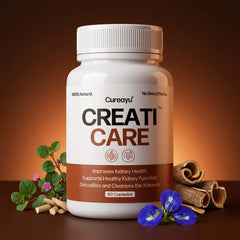
If you are building a routine to look after your kidneys alongside your doctor's plan, CreatiCare is formulated with traditional kidney-supporting herbs such as Punarnava and Gokshura, intended to help maintain already-healthy creatinine levels and support normal kidney function as part of a balanced lifestyle.
To be honest with you: a bowl of oats and a supplement are both supporting players. Neither treats kidney disease, and neither replaces testing, a doctor-guided diet, or prescribed medication. Please talk to your physician before starting any supplement, especially if you already have a kidney condition.
FAQ
Q1. Is oats good for kidney patients?
For most people, yes — plain oats in a sensible portion (about 40 g dry) are a wholesome, low-sodium, high-fibre breakfast. Because oats are moderate in potassium and phosphorus and fairly high in protein, people with advanced kidney disease or on dialysis should keep to the portion their dietitian advises.
Q2. Kya oats kidney ke liye theek hai?
Haan, zyadatar logon ke liye plain oats ek achha, kam-namak aur high-fibre nashta hai. Lekin oats mein potassium, phosphorus aur protein thoda zyada hota hai — isliye matra control mein rakhein (lagbhag 40 g), aur agar advanced kidney disease ya dialysis par hain to doctor/dietitian ki batai portion hi lein. Cheeni, namkeen sachets aur zyada doodh se bachein.
Q3. Can oats lower creatinine?
No single food lowers creatinine on its own. Oats are a heart-friendly whole grain that can fit a kidney-aware diet, but creatinine is managed by treating the underlying cause, staying well hydrated as advised, and following your doctor's plan — not by any one breakfast.
Q4. Are oats high in potassium or phosphorus?
Oats are moderate, not high — roughly 350–400 mg potassium and 400–500 mg phosphorus per 100 g dry, which works out much lower in a normal 40 g serving. Their plant phosphorus is also absorbed less than the additives in processed foods. On a strict renal diet, your dietitian still counts them in your daily total.
Q5. Which is better for kidneys — oats or daliya (broken wheat)?
Both are whole grains and both are fine in moderation for most people. Daliya is a familiar, gentle option; oats add more soluble beta-glucan fibre. Choose by taste and your dietitian's advice, and keep portions and toppings sensible with either.
Written & medically reviewed by Dr. Istuti, BAMS — in-house Ayurvedic physician at Cureayu, focused on kidney, metabolic and men's-health wellness. Dr. Istuti reviews every health article for medical accuracy and compliant, patient-first guidance.
Medically reviewed on October 14, 2026.
Disclaimer: This content is for educational purposes and is not a substitute for professional medical advice. Consult a qualified physician before starting any supplement, especially if you have a kidney/prostate condition or take medication.
Internal links:
Kidney-Friendly Indian Diet Chart (Vegetarian) ·
Is Wheat Roti Good for Kidney Patients? ·
Are Millets Good for Kidney Patients? ·
How Much Water for Kidney Health ·
PDP: CreatiCare
Disclaimer: Educational content, not a substitute for professional medical advice. Consult a qualified physician before starting any supplement.