Is Potato (Aloo) Good for Kidney Patients?

DI
Dr. Istuti ✓ Medically reviewed
Oct 16, 2026 · 6 min read
Is Potato (Aloo) Good for Kidney Patients?
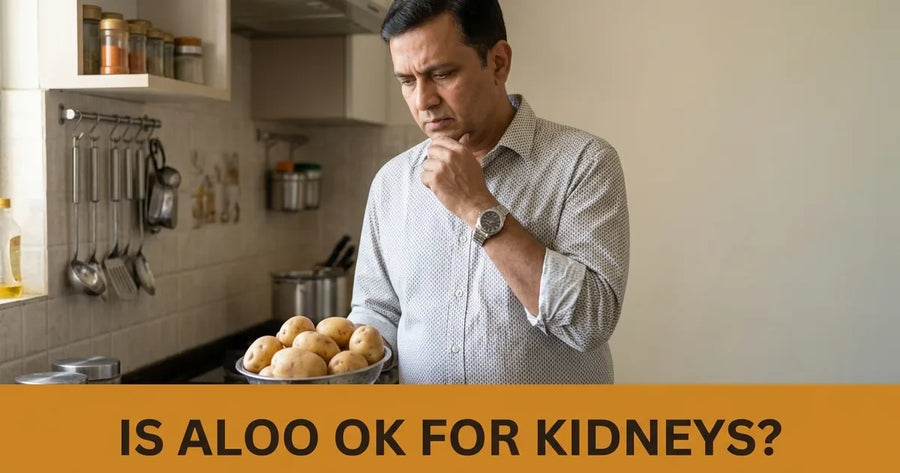
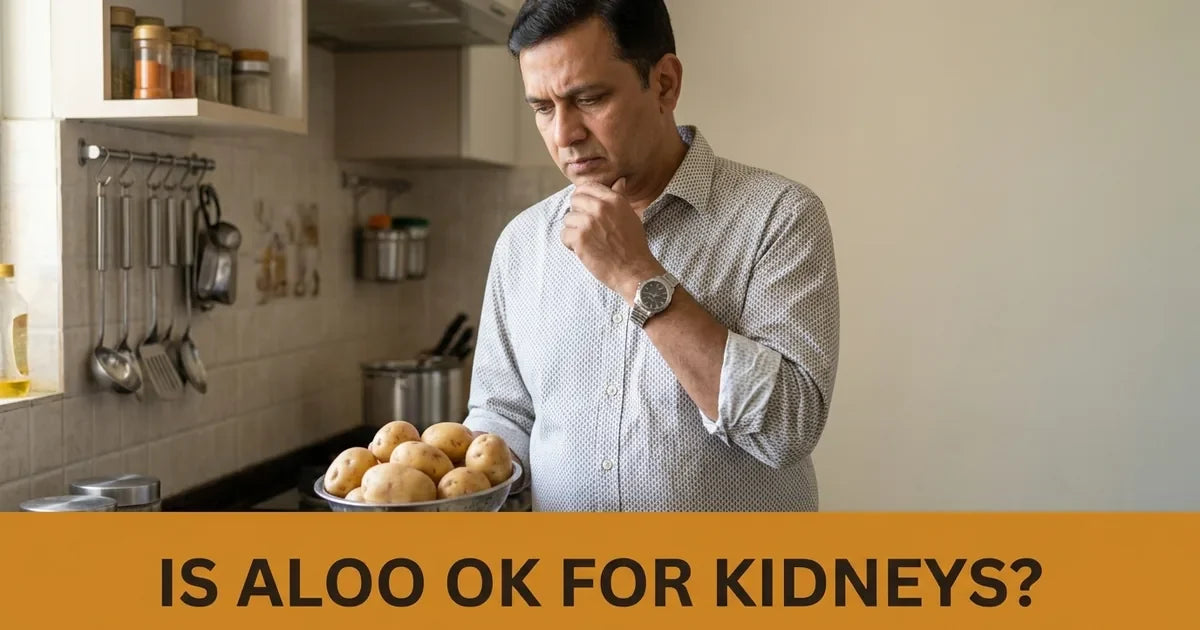
Your creatinine came back a little high, the lab report is still on the table, and now a simple plate of aloo has you second-guessing. Potato is in almost every Indian kitchen — aloo sabzi, aloo paratha, a few fries with evening chai. So it's a fair question for anyone watching their kidney numbers: is potato good for kidney patients, or should it go off the plate?

The honest answer is "it depends" — and most of what it depends on is one mineral: potassium. Let's make it simple.

Key Takeaways

  • Potato isn't "banned" for everyone with a kidney concern — but it is a high-potassium food, so how much your kidneys can handle depends on your blood potassium and kidney function.
  • If your potassium and kidney function are near-normal, a modest portion of potato is usually fine. If potassium is high (hyperkalaemia) or you have advanced kidney disease, potato often needs limiting.
  • Leaching (peel, cut, soak, then boil in plenty of water) pulls out some potassium — but not all, so portion size still matters.
  • Boiled/leached beats fried, loaded or chips every time.
  • Always go by your own reports and your doctor or renal dietitian, not a blanket rule from the internet.

So, can kidney patients eat potato?

For many people with a mild or early kidney concern and normal blood potassium, a small boiled portion of potato a few times a week is generally acceptable. Potato becomes a problem mainly when blood potassium is already high or kidney function is significantly reduced, because struggling kidneys clear potassium less efficiently — and too much potassium in the blood can affect the heart. The safest move is to match your potato intake to your latest potassium and kidney reports.

Why potato worries kidney patients: the potassium question

Healthy kidneys keep blood potassium in a tight, safe band. When kidney function drops, potassium can build up — a state called hyperkalaemia — which, if severe, can disturb heart rhythm. That's why renal diets pay close attention to high-potassium foods to avoid.

The U.S. National Kidney Foundation counts a food as high-potassium at roughly 200 mg or more per serving — and both white and sweet potatoes sit firmly in its higher-potassium list. Serving size matters too: even a lower-potassium food becomes "high" if you eat a large amount.

How much potassium is in a potato?

A medium potato is potassium-dense — a single one can carry several hundred milligrams, and that climbs fast with bigger portions, mashed heaps or a plate of fries. Compare that with your whole day's potassium budget on a potassium-restricted renal diet, and you can see why one generous aloo serving can use up a big chunk of it.

This is exactly why a number — not a feeling — should guide you. A person with normal potassium has a very different budget from someone whose last report flagged hyperkalaemia.

Leaching: the "double-boil" trick to lower potassium

Potassium dissolves in water, so you can pull some of it out of potato before eating. The National Kidney Foundation's leaching method is:

  1. Peel the potato and slice it thin.
  2. Soak the pieces for at least 2 hours in a large volume of warm, unsalted water (about ten times the volume of the potato).
  3. Rinse, then boil in fresh unsalted water (about five times the volume).

This lowers the potassium content meaningfully — but, importantly, it does not remove all of it. Leached potato still counts toward your limit, so keep portions sensible even after leaching. (Some research has questioned how much everyday methods actually remove, which is another reason not to treat leaching as a free pass.)

The Ayurvedic perspective on aloo and kidney wellness

In Ayurveda, kidney and urinary wellness is linked to the healthy flow of the mutravaha srotas (the urinary channels) and balanced Kapha and Vata. Aloo is considered heavy and Kapha-increasing, especially when fried or eaten in excess — so classical thinking already nudges toward lighter preparation and moderation rather than fried, oily aloo.

For kidney and urinary support, Ayurveda leans on well-known herbs such as Punarnava (Boerhavia diffusa), traditionally used to support healthy fluid balance, and Gokshura (Tribulus terrestris), traditionally used to support urinary comfort and flow. These are supportive wellness traditions — not replacements for your prescribed treatment or your renal diet.

Practical steps: how to eat potato more kidney-smart

  • Boil or leach, don't fry. Skip chips, fries and deep-fried aloo tikki — the frying adds nothing good for your kidneys or heart.
  • Watch the portion. A small piece in a mixed sabzi is very different from a plate of aloo as the main dish.
  • Don't pair potato with other potassium-heavy foods in the same meal (tomato, spinach, coconut water) if you're restricting potassium.
  • Rinse and leach before cooking if your dietitian has told you to limit potassium.
  • Go easy on salt and pickles alongside it — sodium control matters for kidneys too.
  • Hydrate as advised — not everyone with kidney issues should drink extra water, so follow your doctor's guidance.

For the bigger picture, build meals around our kidney-friendly Indian diet chart, and if you're choosing grains, see whether oats are a good fit for kidney patients.

When to see a doctor

Please check with a doctor or renal dietitian before making potato (or any food) a regular part of your diet if you:

  • have a recent high potassium reading or symptoms like muscle weakness, numbness or an irregular heartbeat,
  • have been told your eGFR is low or you're in later-stage kidney disease,
  • are on dialysis or taking medicines that affect potassium (some blood-pressure drugs do).

A quick blood test and a personalised diet plan beat any general article — including this one.

How CreatiCare fits

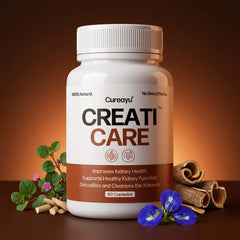
If you're managing your kidney numbers, diet is one lever and daily wellness support is another. CreatiCare is our Ayurvedic formulation with herbs like Punarnava and Gokshura, traditionally used to support healthy creatinine levels and everyday kidney wellness — meant to sit alongside a kidney-friendly diet and your doctor's advice, never to replace them.

FAQ

1. Is boiled potato OK for kidney patients? Boiled is the better choice versus fried, and leaching first lowers potassium further. Whether it's "OK" still depends on your potassium levels and portion size — confirm with your dietitian.

2. Does potato increase creatinine? Potato itself isn't a direct creatinine-raiser the way very high-protein loads can be; the main concern with potato is its potassium, not creatinine. Keep portions modest and go by your reports.

3. Can I eat aloo if my potassium is high? If your blood potassium is high, high-potassium foods like potato usually need to be limited or leached and portion-controlled. Ask your doctor for your specific potassium target.

4. Is sweet potato (shakarkandi) better for kidneys than regular potato? Both are on the higher-potassium list, so sweet potato isn't automatically "safe." The same rules — portion, leaching, your lab values — apply.

5. How should kidney patients cook potato? Peel, slice thin, soak in plenty of water for a couple of hours, rinse, then boil in fresh water. Avoid frying, heavy salt and potassium-rich add-ons.


Written & medically reviewed by Dr. Istuti, BAMS — Ayurvedic physician (Bachelor of Ayurvedic Medicine and Surgery) at Cureayu, focused on kidney, urinary and metabolic wellness. Medically reviewed on 16 October 2026.

Disclaimer: This content is for educational purposes and is not a substitute for professional medical advice. Consult a qualified physician before starting any supplement, especially if you have a kidney/prostate condition or take medication.
CreatiCare™−16%
MENTIONED IN THIS ARTICLE
CreatiCare™
★ 4.83 · 1136 reviews
₹999 ₹1,199
DI
Written & reviewed by Dr. Istuti
Ayurvedic physician focused on kidney, urinary and metabolic wellness. Reviews all Cureayu health content. Medically reviewed Oct 19, 2026.

Disclaimer: Educational content, not a substitute for professional medical advice. Consult a qualified physician before starting any supplement.

ShareWAfX⧉

Is Potato (Aloo) Good for Kidney Patients?

DI
Dr. Istuti ✓ Medically reviewed
Oct 16, 2026 · 6 min read
Is Potato (Aloo) Good for Kidney Patients?

Your creatinine came back a little high, the lab report is still on the table, and now a simple plate of aloo has you second-guessing. Potato is in almost every Indian kitchen — aloo sabzi, aloo paratha, a few fries with evening chai. So it's a fair question for anyone watching their kidney numbers: is potato good for kidney patients, or should it go off the plate?

The honest answer is "it depends" — and most of what it depends on is one mineral: potassium. Let's make it simple.

Key Takeaways

  • Potato isn't "banned" for everyone with a kidney concern — but it is a high-potassium food, so how much your kidneys can handle depends on your blood potassium and kidney function.
  • If your potassium and kidney function are near-normal, a modest portion of potato is usually fine. If potassium is high (hyperkalaemia) or you have advanced kidney disease, potato often needs limiting.
  • Leaching (peel, cut, soak, then boil in plenty of water) pulls out some potassium — but not all, so portion size still matters.
  • Boiled/leached beats fried, loaded or chips every time.
  • Always go by your own reports and your doctor or renal dietitian, not a blanket rule from the internet.

So, can kidney patients eat potato?

For many people with a mild or early kidney concern and normal blood potassium, a small boiled portion of potato a few times a week is generally acceptable. Potato becomes a problem mainly when blood potassium is already high or kidney function is significantly reduced, because struggling kidneys clear potassium less efficiently — and too much potassium in the blood can affect the heart. The safest move is to match your potato intake to your latest potassium and kidney reports.

Why potato worries kidney patients: the potassium question

Healthy kidneys keep blood potassium in a tight, safe band. When kidney function drops, potassium can build up — a state called hyperkalaemia — which, if severe, can disturb heart rhythm. That's why renal diets pay close attention to high-potassium foods to avoid.

The U.S. National Kidney Foundation counts a food as high-potassium at roughly 200 mg or more per serving — and both white and sweet potatoes sit firmly in its higher-potassium list. Serving size matters too: even a lower-potassium food becomes "high" if you eat a large amount.

How much potassium is in a potato?

A medium potato is potassium-dense — a single one can carry several hundred milligrams, and that climbs fast with bigger portions, mashed heaps or a plate of fries. Compare that with your whole day's potassium budget on a potassium-restricted renal diet, and you can see why one generous aloo serving can use up a big chunk of it.

This is exactly why a number — not a feeling — should guide you. A person with normal potassium has a very different budget from someone whose last report flagged hyperkalaemia.

Leaching: the "double-boil" trick to lower potassium

Potassium dissolves in water, so you can pull some of it out of potato before eating. The National Kidney Foundation's leaching method is:

  1. Peel the potato and slice it thin.
  2. Soak the pieces for at least 2 hours in a large volume of warm, unsalted water (about ten times the volume of the potato).
  3. Rinse, then boil in fresh unsalted water (about five times the volume).

This lowers the potassium content meaningfully — but, importantly, it does not remove all of it. Leached potato still counts toward your limit, so keep portions sensible even after leaching. (Some research has questioned how much everyday methods actually remove, which is another reason not to treat leaching as a free pass.)

The Ayurvedic perspective on aloo and kidney wellness

In Ayurveda, kidney and urinary wellness is linked to the healthy flow of the mutravaha srotas (the urinary channels) and balanced Kapha and Vata. Aloo is considered heavy and Kapha-increasing, especially when fried or eaten in excess — so classical thinking already nudges toward lighter preparation and moderation rather than fried, oily aloo.

For kidney and urinary support, Ayurveda leans on well-known herbs such as Punarnava (Boerhavia diffusa), traditionally used to support healthy fluid balance, and Gokshura (Tribulus terrestris), traditionally used to support urinary comfort and flow. These are supportive wellness traditions — not replacements for your prescribed treatment or your renal diet.

Practical steps: how to eat potato more kidney-smart

  • Boil or leach, don't fry. Skip chips, fries and deep-fried aloo tikki — the frying adds nothing good for your kidneys or heart.
  • Watch the portion. A small piece in a mixed sabzi is very different from a plate of aloo as the main dish.
  • Don't pair potato with other potassium-heavy foods in the same meal (tomato, spinach, coconut water) if you're restricting potassium.
  • Rinse and leach before cooking if your dietitian has told you to limit potassium.
  • Go easy on salt and pickles alongside it — sodium control matters for kidneys too.
  • Hydrate as advised — not everyone with kidney issues should drink extra water, so follow your doctor's guidance.

For the bigger picture, build meals around our kidney-friendly Indian diet chart, and if you're choosing grains, see whether oats are a good fit for kidney patients.

When to see a doctor

Please check with a doctor or renal dietitian before making potato (or any food) a regular part of your diet if you:

  • have a recent high potassium reading or symptoms like muscle weakness, numbness or an irregular heartbeat,
  • have been told your eGFR is low or you're in later-stage kidney disease,
  • are on dialysis or taking medicines that affect potassium (some blood-pressure drugs do).

A quick blood test and a personalised diet plan beat any general article — including this one.

How CreatiCare fits

If you're managing your kidney numbers, diet is one lever and daily wellness support is another. CreatiCare is our Ayurvedic formulation with herbs like Punarnava and Gokshura, traditionally used to support healthy creatinine levels and everyday kidney wellness — meant to sit alongside a kidney-friendly diet and your doctor's advice, never to replace them.

FAQ

1. Is boiled potato OK for kidney patients? Boiled is the better choice versus fried, and leaching first lowers potassium further. Whether it's "OK" still depends on your potassium levels and portion size — confirm with your dietitian.

2. Does potato increase creatinine? Potato itself isn't a direct creatinine-raiser the way very high-protein loads can be; the main concern with potato is its potassium, not creatinine. Keep portions modest and go by your reports.

3. Can I eat aloo if my potassium is high? If your blood potassium is high, high-potassium foods like potato usually need to be limited or leached and portion-controlled. Ask your doctor for your specific potassium target.

4. Is sweet potato (shakarkandi) better for kidneys than regular potato? Both are on the higher-potassium list, so sweet potato isn't automatically "safe." The same rules — portion, leaching, your lab values — apply.

5. How should kidney patients cook potato? Peel, slice thin, soak in plenty of water for a couple of hours, rinse, then boil in fresh water. Avoid frying, heavy salt and potassium-rich add-ons.


Written & medically reviewed by Dr. Istuti, BAMS — Ayurvedic physician (Bachelor of Ayurvedic Medicine and Surgery) at Cureayu, focused on kidney, urinary and metabolic wellness. Medically reviewed on 16 October 2026.

Disclaimer: This content is for educational purposes and is not a substitute for professional medical advice. Consult a qualified physician before starting any supplement, especially if you have a kidney/prostate condition or take medication.

DI
Written & reviewed by Dr. Istuti
Ayurvedic physician focused on kidney, urinary and metabolic wellness. Reviews all Cureayu health content. Medically reviewed Oct 19, 2026.

Disclaimer: Educational content, not a substitute for professional medical advice. Consult a qualified physician before starting any supplement.