
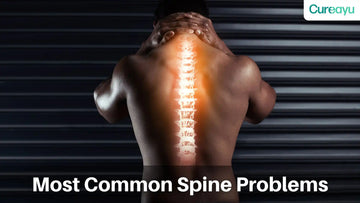
The human spine is one of the most important structures in the body, supporting the head, protecting the spinal cord, and permitting flexibility and motion. But such spine problems are incredibly common, impacting millions of people around the globe. In some cases they can cause only mild discomfort — but in others they can lead to severe pain and seriously impact quality of life. In this blog, you will read about the 15 most common spine problems, their causes, symptoms, treatments, and tips for prevention.
What Are Spine Issues?
Spine problems to be any injury or illness of the vertebral column or supporting muscles, tendons and nerves. These problems may involve everything from mild discomfort to debilitating pain, but they can also restrict mobility, shift posture, and wipe out quality of life in general. Things like age or injury, poor posture, repetitive strain, or chronic conditions (like arthritis), can contribute to spine problems. Learning the symptoms of spine-related issues and the causes behind them are key to getting medical intervention and avoiding complications.
Also Read: Everything You Need to Know About Back Pain Causes, Symptoms, and Treatments
Spine Problem Symptoms
The different types of spine problems may show various signs and symptoms. Symptoms of spine problems may include:
Chronic Pain
Persistent pain, in the back or neck, is one of the most common signs of spine problems. Depending on the form of the interaction between you and your body that takes place, your only experience of this pain may exist in the form of dull sensations; sharp sensations or even burning sensations; and/or sensations that radiate down the limbs when nerves are affected.
Limited Range of Motion
Loss of movement is another sign of spine problems. You may have trouble bending, twisting or doing everyday activities such as sitting, standing or walking.
Muscle Weakness or Numbness
Problems in the spine place pressure on, or damage, the nerves that cause weakness, or numbness, in the arms, legs, or back. When left untreated, this can disrupt coordination and ultimately lead to a fall, accident and death.
Tingling Sensations
Another symptom is tingling or a “pins and needles” sensation, which can also be caused by a nerve being pinched by a herniated disc or spinal stenosis.
Headaches
Some spine problems, particularly those involving the cervical spine (neck), can trigger frequent headaches. These headaches can be fierce and chronic, especially at the back of the skull.
Radiating Pain
If spinal nerves are impacted, pain may travel along the course of the nerve. Sciatica, for example, can cause pain that runs down the leg from the lower back. It can be a result of falling down or any spine injury likeSports injury,Fractures of vertebrae,Yearning and pull,Back injury and so on.
Knowing the sources of spine issues will help you avoid them or cope better.
Also Read: Chest Pain Due To Gas: Causes, Symptoms, Prevention, and Treatment
Causes of Spine-Related Issues include:
Age-Related Wear and Tear
The spine naturally degenerates as we get older. And the discs, or pads of cartilage, between one vertebra and another become drier and less elastic, resulting in conditions including herniated discs, arthritis and spinal stenosis.
Poor Posture
Constant slumping, leaning over a desk or poor ergonomics while you work can also cause undue stress on the spine. Poor posture can lead to misalignment, muscle strain and other disc issues over time.
Injury or Trauma
Trauma — for example, from an accident, fall, or sports injury — can lead to immediate injury to the spine, such as a fracture, dislocation or injury to the soft tissue.
Obesity
Excessive weight increases strain on the spine which may give rise to conditions like chronic back pain, sciatica, or spinal degeneration.
Genetic Factors
Some inherited disorders, such as scoliosis or congenital spinal deformities, may make you more likely to develop spine problems.
Repetitive Movements
Repetitive movements, perched in awkward positions — all of those can take a toll on the muscles and discs in the spine, resulting in problems such as herniated discs or muscle strains.
Also Read: Effective Home Remedies For Stomach Pain: Natural Solutions For Quick Relief
15 Common Spine Problems
Herniated Disc

A herniated disc is when the soft inner part of a spinal disc bulges or leaks out, putting pressure on nearby nerves. This can lead to debilitating back or neck pain, numbness and weakness. A disc herniation can develop in any part of the spine, however it is most often in the lower back or neck. Depending on where the herniation occurs, symptoms vary, but often include radiating pain or a sensation of “pins and needles” shooting down the arms or legs. Depending on the severity, treatment can range from physical therapy to surgical intervention.
Spinal Stenosis

Spinal stenosis is the narrowing of the spinal canal that causes pressure on the spinal cord and nerves. This can cause pain, numbness, and weakness, particularly in the legs. Spinal stenosis usually occurs in the lower back and neck, and symptoms can be made worse by walking or standing for long periods. In more advanced cases, surgical action may be needed to alleviate demanded the surgical procedure like Laminectomy or spinal fusion.
Sciatica

Sciatica is irritation of the sciatic nerve, which extends from the lower back to the legs. This commonly occurs with a shooting pain that travels from the lower back down one leg. Others may include tingling or numbness in the leg and foot when sciatica is present. The condition is usually caused by a herniated disc or spinal stenosis that compresses the sciatic nerve. Sciatica treatment can include physical therapy, pain management, and surgery in severe cases.
Scoliosis

Scoliosis is an abnormal curve of the spine, also forming a "C" or "S" shape. It can lead to backache and, in extreme cases, difficulty breathing. While mild curvature may not be painfully uncomfortable, more extreme curves can result in permanent pain, diminished lung capacity and even issues with balance. Scoliosis is typically diagnosed in childhood or adolescence and may be treated with braces, physical therapy or surgical procedures depending on the degree of curvature.
Degenerative Disc Disease

The intervertebral discs in the spine wear down with age, causing them to lose their cushioning properties and creating pain and inflammation. This condition usually affects the lower back or neck, regions where most motion happens. The symptoms include pain that increases with activity, stiffness, and reduced range of motion. Degenerative disc disease is part of natural aging, but maintaining a healthy weight, practicing good posture and avoiding prolonged periods of inactivity are ways to exercise and manage symptoms.
Spinal Osteoarthritis

Osteoarthritis in the spine develops when the cartilage in the facet joints wears down, resulting in pain and stiffness in the back. This condition results in decreased movement, and the symptoms can progress over time. It also causes bone spurs to develop, limiting movement even more. Usually treatment consists of pain management, physical therapy, and joint injections or surgery in certain cases.
Whiplash

Whiplash is a neck injury that occurs due to the rapid back-and-forth movement of the neck that is common with auto collisions. This can cause neck pain, stiffness and headaches. The injury happens when the head is violently propelled backward and then forward, straining the muscles and ligaments in the neck. Treatment for whiplash usually consists of rest, physical therapy and pain medications to relieve inflammation and muscle spasms.
Spinal Fractures

Trauma, osteoporosis or a fall can cause a fracture in the vertebrae. It can cause sharp pain, restricted movement and nerve damage. Those with osteoporosis may experience spinal fractures due to weakened bones, or such an injury might happen because of a high-impact injury, such as a car accident. In severe cases, treatment may require some type of bracing, pain management or surgical procedures, such as spinal fusion to stabilize the vertebrae.
Ankylosing Spondylitis

Ankylosing spondylitis is a kind of arthritis that mainly targets the spine. It leads to inflammation, stiffness and eventual fusing of the vertebrae. The condition can lead to a hunched posture and reduced spinal movement. Early diagnosis and treatment are crucial to alleviating symptoms and preventing lasting damage. Treatments usually involve medications, physical therapy, and sometimes biologic drugs that help reduce inflammation.
Spinal Tumors

There are also tumors that can grow in the spine from either primary cancer or because another part of the body has metastasized. Symptoms can include pain, numbness or weakness in the arms and legs. Spinal tumors can be benign or malignant and may need to be treated with radiation therapy, chemotherapy, or surgical removal, depending on the type and location of the tumor.
Spinal Infections

Infections such as osteomyelitis or discitis can involve the spine, causing fever, back pain and muscle weakness. Such conditions typically need medical treatment, such as antibiotics, and at times surgery to drain infected tissue. Spinal infections involve bacterial or fungal infections that can develop after surgical procedures and trauma to the spine.
Kyphosis

Kyphosis is an inappropriate forward curve of the top of the spine, also known as a “hunchback.” It’s painful, and can make it hard to stand or sit too long. Kyphosis can result from degenerative change, poor posture, or a congenital condition. Severe cases where the pain is significant may also require surgery to correct the curvature.
Lumbar Radiculopathy

This condition happens when one of the nerve roots in the lower back gets compressed, causing symptoms like pain, numbness or weakness in the legs. Lumbar radiculopathy typically results from a herniated disc or spinal stenosis and can lead to chronic pain in the leg if not treated. Treatment can include physical therapy, medications and, in some cases, surgery to relieve pressure on the nerve.
Cervical Radiculopathy

Cervical radiculopathy is a condition in which a nerve in the neck is pinched, resulting in pain, tingling or numbness that moves down from the neck through the arms. These conditions are most often due to a herniated disc, degenerative changes, or bone spurs. Treatment generally consists of pain relief, physiotherapy, and occasionally surgery to relieve nerve compression.
Spinal Instability

Vertebral instability – a spinal condition- happens when the actual vertebrae becoming misaligned or weakened can cause severe pain and difficulty limiting proper movement and posture. This can result from injury, degeneration or a congenital defect. Treatment options include physical therapy, bracing and, in severe cases, spinal fusion surgery.
Spine Problem: Treatment and Management
The Treatment of Spine Problems Management of spine issues effectively involves a combination of lifestyle changes, medical treatments, and alternative therapies. Here are a few standard treatments:
Physical Therapy
Exercises and stretches that a physical therapist has prescribed for you can help improve flexibility, strengthen muscles and relieve pain.
Medications
Analgesics such as ibuprofen or acetaminophen, as well as muscle relaxants and anti-inflammatory medication, can alleviate symptoms.
Chiropractic Care
Spinal manipulation are often done to relieve pressure on nerves and other body parts and provide short-term pain relief.
Surgery
In extreme situations, surgical intervention such as disc replacement or spinal fusion may be required to address disorders such as herniated discs or spinal instability.
Hot/Cold Therapy
Using heat or cold packs on the affected area will help with inflammation and muscle spasms.
Tips for Preventing Spine Pain
Maintain Proper Posture
Good posture lessens the strain on the spine and can help prevent conditions like herniated discs, or muscle tension.
Exercise Regularly
A strong core supports the spine and this, in turn, can help prevent back pain, injuries in back and other areas of the body.
Use Ergonomic Furniture
Using an ergonomic chair and creating an ergonomic workstation can help reduce strain that comes from poor posture.
Lift Correctly
When using heavy objects, bend your knees instead of your back when picking them up and do not twist — it can injure the spine.
Maintain a Healthy Weight
Keeping a normal weight LIGHTENS the spine load, and can help prevent spine problems such as sciatica or osteoarthritis.
Natural Supplement: Cureayu SpineSafe® Capsules
Cureayu SpineSafe® Capsules: An Ayurvedic Solution for Chronic Back Pain Spinal Comfort. These herbs include Guggulu, Shallaki, Ashwagandha, and Shatavari, and they work together to reduce inflammation, improve flexibility, and promote long-term spinal health. Strong Spine capsules help to promote musculoskeletal system strength and help to naturally relieve pain, making it the perfect solution for those who have spine-related concerns.
Final Words
Spine issues are so prevalent that the right information and care can help to manage or prevent many types of them. Be it through physical therapy, medical treatment or even lifestyle changes like improved posture and exercise, taking steps to care for your spine is critical for long-term health. Natural supplements such as Cureayu SpineSafe® Capsules also provide relief for individuals with chronic spine pain or discomfort. Always check with your trusted medical professional before you start any new treatment plan to make sure you’re taking the best step for your personal needs. You will be able to have a healthy spine and live without pain for years to come, if you follow some simple, proactive measures.
FAQs:
1. What causes spine pain?
Spine pain can result from poor posture, injury, aging, herniated discs, spinal stenosis, and other factors, putting pressure on nerves and causing discomfort.
2. What are common spine problems?
Common issues include bulging discs, slipped discs, degenerative disc disease, spondyloarthritis, and herniated discs, which can cause pain, stiffness, and nerve pressure.
3. What can I do to ease my spine pain?
You can ease spine pain with regular exercise, physical therapy, maintaining good posture, and medications. Natural supplements like Cureayu SpineSafe® Capsules may also offer relief.
4. How do you know if back pain is serious?
Serious spine pain may involve intense pain, numbness, weakness, or shooting pain down the limbs, requiring immediate medical attention.
5. Can spine disease be cured?
Some spine conditions can be treated or improved, while age-related issues may require long-term management to reduce discomfort and maintain mobility.