Cureayu
Cart 0
  • SALE
  • Combos
  • Shop by Brands
    • Cureayu
    • Century Life Science
    • Hair2Glow
    • Yuvacen
  • Shop by Product
    • All Products
    • Allergy Care
    • Blood Pressure Management
    • Cholesterol Support
    • Constipation Care
    • Cyst Care
    • Diabetes Care
    • Digestive Health Support
    • Fertility Care
    • Gut Support
    • Hair Care
    • Headache Relief
    • Heart Care
    • Hormonal Balance
    • IBS Support
    • Immunity Booster
    • Joint Care
    • Kidney Support
    • Migraine Care
    • Mind Care
    • PCOD Wellness
    • Piles Care
    • Prostate care
    • Psoriasis Care
    • Respiratory Wellness
    • Sciatica Support
    • Skin Care
    • Skin Pigmentation Support
    • Sleep Care
    • Stamina Booster
    • Stone Care
    • Stress & Anxiety Relief
    • Thyroid Care
    • Uric Acid Management
    • Urinary Health Support
    • Vitamins
    • Vitiligo Care
    • Water Retention & Detox Care
    • Weight Loss & Fitness
  • Shop By Ingredients
    • All Ingredients
    • Amla
    • Apamarga
    • Arjuna
    • Ashwagandha
    • Biotin
    • Brahmi
    • Chandan
    • Chitrak
    • Dalchini
    • Garlic
    • Giloy
    • Gokhru
    • Gotu Kola
    • Green Tea
    • Guggul
    • Gurmar
    • Haritaki
    • Kanchanar Guggulu
    • Kapikacchu
    • Mustaka
    • Nirgundi
    • Pashanbhed
    • Pippali
    • Punarnava
    • Rasna
    • Safed Musli
    • Saw Palmetto
    • Shankhpushpi
    • Shatavari
    • Shilajit
    • Shunthi
    • Triphala
    • Tulsi
    • Turmeric
    • Varuna
  • Shop By Concerns
    • All Concerns
    • Anti-Ageing
    • Anxiety & Depression
    • Asthma
    • Back Discomfort
    • Back Pain
    • Blood Pressure
    • Breathing Problems
    • Burning Urination
    • Constant Headaches
    • Constipation
    • Creatinine Imbalance
    • Cysts
    • Diabetes
    • Digestive Problems
    • Enlarged Prostate
    • Erectile Dysfunction
    • Fatty Liver
    • Female Hormonal Imbalance
    • Female Infertility
    • Foamy Urine
    • Frequent Urination
    • Gas & Bloating
    • Hair Fall
    • Hemorrhoids
    • High Cholesterol & Triglycerides
    • High Creatinine
    • Hypertension
    • Hyperthyroidism
    • Hypothyroidism
    • IBS
    • Irregular Periods
    • Joint Pain
    • Kidney Problems
    • Kidney Stone
    • Knee Pain
    • Liver Problems
    • Low Energy & Stamina
    • Low Sperm Count
    • Lower Back Pain
    • Male Infertility
    • Memory Loss
    • Migraines
    • Muscle Pain & Stiffness
    • Obesity
    • Osteoarthritis
    • Painful Bowel Movement
    • Painful Urination
    • Pathari Pain
    • PCOD/PCOS
    • Piles Pain
    • Poor Blood Circulation
    • Poor Memory
    • Premature Ejaculation
    • Psoriasis
    • Scalp Fungal Infection
    • Sciatica Pain
    • Seasonal Allergies
    • Sinusitis
    • Skin Depigmentation
    • Skin Redness
    • Skin White Patches
    • Slow Metabolism
    • Spine Pain
    • Swelling (Edema)
    • Thyroid Imbalance
    • Unhealthy Prostate
    • Uric Acid
    • Vitiligo
    • Weak Immune System
  • Blog
    • Diabetes Care
    • Fertility Care
    • Heart Care
    • Immunity & Wellness
    • Lifestyle
    • Mental Health
    • Pain Relief
    • Womens Health
    • Piles Care
    • Renal Health Care
    • Sexual Wellness
    • Skin Care
    • Weight Management
  • Contact
My Account
Log in
Cureayu
  • SALE
  • Combos
  • Shop by Product
    • All Products
    • Allergy Care
    • Blood Pressure Management
    • Cholesterol Support
    • Constipation Care
    • Cyst Care
    • Diabetes Care
    • Digestive Health Support
    • Fertility Care
    • Gut Support
    • Hair Care
    • Headache Relief
    • Heart Care
    • Hormonal Balance
    • IBS Support
    • Immunity Booster
    • Joint Care
    • Kidney Support
    • Migraine Care
    • Mind Care
    • PCOD Wellness
    • Piles Care
    • Prostate care
    • Psoriasis Care
    • Respiratory Wellness
    • Sciatica Support
    • Skin Care
    • Skin Pigmentation Support
    • Sleep Care
    • Stamina Booster
    • Stone Care
    • Stress & Anxiety Relief
    • Thyroid Care
    • Uric Acid Management
    • Urinary Health Support
    • Vitamins
    • Vitiligo Care
    • Water Retention & Detox Care
    • Weight Loss & Fitness
  • Shop By Ingredients
    • All Ingredients
    • Amla
    • Apamarga
    • Arjuna
    • Ashwagandha
    • Biotin
    • Brahmi
    • Chandan
    • Chitrak
    • Dalchini
    • Garlic
    • Giloy
    • Gokhru
    • Gotu Kola
    • Green Tea
    • Guggul
    • Gurmar
    • Haritaki
    • Kanchanar Guggulu
    • Kapikacchu
    • Mustaka
    • Nirgundi
    • Pashanbhed
    • Pippali
    • Punarnava
    • Rasna
    • Safed Musli
    • Saw Palmetto
    • Shankhpushpi
    • Shatavari
    • Shilajit
    • Shunthi
    • Triphala
    • Tulsi
    • Turmeric
    • Varuna
  • Shop By Concerns
    • All Concerns
    • Anxiety & Depression
    • Asthma
    • Back Discomfort
    • Back Pain
    • Blood Pressure
    • Breathing Problems
    • Burning Urination
    • Constant Headaches
    • Constipation
    • Creatinine Imbalance
    • Cysts
    • Diabetes
    • Digestive Problems
    • Enlarged Prostate
    • Erectile Dysfunction
    • Fatty Liver
    • Female Hormonal Imbalance
    • Female Infertility
    • Foamy Urine
    • Frequent Urination
    • Gas & Bloating
    • Hair Fall
    • Hemorrhoids
    • High Cholesterol & Triglycerides
    • High Creatinine
    • Hypertension
    • Hyperthyroidism
    • Hypothyroidism
    • IBS
    • Irregular Periods
    • Joint Pain
    • Kidney Problems
    • Kidney Stone
    • Knee Pain
    • Liver Problems
    • Low Energy & Stamina
    • Low Sperm Count
    • Lower Back Pain
    • Male Infertility
    • Memory Loss
    • Migraines
    • Muscle Pain & Stiffness
    • Obesity
    • Osteoarthritis
    • Painful Bowel Movement
    • Painful Urination
    • Pathari Pain
    • PCOD/PCOS
    • Piles Pain
    • Poor Blood Circulation
    • Poor Memory
    • Premature Ejaculation
    • Psoriasis
    • Scalp Fungal Infection
    • Sciatica Pain
    • Seasonal Allergies
    • Sinusitis
    • Skin Depigmentation
    • Skin Redness
    • Skin White Patches
    • Slow Metabolism
    • Spine Pain
    • Swelling (Edema)
    • Thyroid Imbalance
    • Unhealthy Prostate
    • Uric Acid
    • Vitiligo
    • Weak Immune System
  • Blog
    • Diabetes Care
    • Fertility Care
    • Heart Care
    • Immunity & Wellness
    • Lifestyle
    • Mental Health
    • Pain Relief
    • Womens Health
    • Piles Care
    • Renal Health Care
    • Sexual Wellness
    • Skin Care
    • Weight Management
Log in Contact Us Track Your Order Cart 0

Search our store

Cureayu
Log in Contact Us Track Your Order Cart 0
Popular Searches:
CreatiCare Prostate Care Uristal Heart Tone
Home Renal Health Care
Renal Health Care

Best Vegetables for Kidney Patients: A Simple Indian Diet Guide

Aug 12, 2026
Best Vegetables for Kidney Patients: A Simple Indian Diet Guide

If a doctor has told you or a family member to "go easy on the kidneys," the vegetable aisle suddenly feels like a puzzle. Vegetables are supposed to be healthy — so why would anyone need to limit them?

The honest answer is that most vegetables are excellent, but when kidneys aren't filtering at full strength, two minerals in particular — potassium and phosphorus — need attention, and a few everyday favourites carry more of them than others. This guide keeps it practical: which vegetables are usually gentler on the kidneys, which to be cautious with, how to cook them to lower potassium, and where Ayurvedic wellness habits fit in.

It is general guidance, not a personal diet plan — that part belongs to your doctor or renal dietitian.

Key Takeaways

  • For kidney patients, the vegetable question is mostly a potassium and phosphorus question — healthy kidneys balance these minerals; struggling kidneys may not.
  • Generally lower-potassium vegetables (often better tolerated): bottle gourd (lauki), ridge gourd (turai), cabbage, cauliflower, capsicum, onion, green beans.
  • Higher-potassium vegetables (often limited): potato, tomato, spinach and other leafy greens, beetroot, pumpkin.
  • Leaching (soaking + boiling) can lower the potassium in many vegetables — a simple kitchen trick worth knowing.
  • If you have advanced kidney disease or are on dialysis, follow the exact potassium and phosphorus limits your doctor sets — this article does not replace that.

Why potassium and phosphorus are the key issues

Potassium keeps your muscles and heartbeat steady, and phosphorus works with calcium to keep bones strong. Healthy kidneys remove any excess of both through urine. When kidney function drops, these minerals can build up in the blood — high potassium (hyperkalemia) can affect the heart's rhythm, and high phosphorus can pull calcium from your bones over time.

That's why people with reduced kidney function are often asked to be mindful of high-potassium and high-phosphorus foods, and vegetables are a major source of potassium in an Indian diet.

Importantly, not everyone with a kidney concern needs a restricted diet. Someone with very early, mild changes may have no restriction at all, while someone with advanced disease may have strict limits. This is exactly why the numbers to follow are the ones your blood tests and doctor give you.

Vegetables generally gentler on the kidneys

These tend to be lower in potassium and are usually well tolerated in sensible portions:

  • Bottle gourd (lauki/ghiya) — light, hydrating and low in potassium; a kidney-diet staple.
  • Ridge gourd (turai) and tinda — gentle, easy to digest.
  • Cabbage — low-potassium and versatile in sabzi or salad.
  • Cauliflower — a lower-potassium substitute when you're cutting back on potato.
  • Capsicum (shimla mirch) — flavourful with modest potassium.
  • Onion, garlic and green beans — useful low-potassium bases for everyday cooking.

A simple habit: build the sabzi around these, and keep portions to a normal katori, not an unlimited helping.

Vegetables to be cautious with

Not "banned for everyone" — but higher in potassium or phosphorus, so often limited when kidneys are struggling:

  • Potato — one of the highest-potassium everyday vegetables (more below on how to reduce it).
  • Tomato — especially concentrated forms like puree, paste and ketchup.
  • Spinach (palak), methi and other leafy greens — potassium-dense, particularly when cooked down.
  • Beetroot and pumpkin — higher-potassium options.

If you love these, the answer is usually smaller amounts, less often, and prepared the right way — decided with your dietitian, not cut out in fear.

The kitchen trick: leaching (double-boiling)

Much of the potassium in vegetables like potato sits in the flesh and can be partly drawn out with water. The traditional method:

  1. Peel and cut the vegetable into small pieces.
  2. Soak in plenty of warm water for a couple of hours (change the water once if you can).
  3. Boil in a large volume of fresh water, then drain that water away before final cooking.

This won't remove all the potassium, but it can meaningfully lower it — a genuinely useful trick when someone really wants an occasional aloo sabzi. Confirm with your dietitian whether leaching is enough for your limits.

The Ayurvedic perspective on kidney-supportive eating

Ayurveda places diet at the centre of keeping the mutravaha srotas (urinary channels) clear and agni (digestive fire) balanced. The general guidance is to favour fresh, seasonal, easily digestible vegetables, cook them simply with warming spices like cumin and coriander, avoid excess salt and very heavy or deep-fried preparations, and stay adequately hydrated within any limits your doctor sets.

Alongside diet, certain herbs are traditionally used to support kidney and urinary wellness — such as Punarnava, Gokshura (Gokhru) and Varun. In classical texts these are described as gentle, traditional support as part of a healthy routine — not as treatments for kidney disease.

When to talk to a doctor or dietitian

Get personalised advice — rather than relying on a general list — if you have been diagnosed with chronic kidney disease, have abnormal blood tests (creatinine, eGFR, potassium, phosphorus), are on dialysis, or take medicines that affect potassium such as certain blood-pressure drugs.

A renal dietitian can turn "which vegetables" into a plan that matches your exact reports, so you eat with confidence instead of worry. Never start a potassium or fluid restriction on your own, and never stop prescribed medicine without medical advice.

How CreatiCare fits

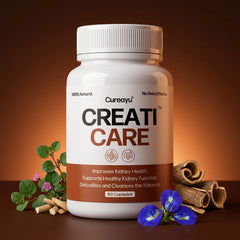
CreatiCare is our Ayurvedic supplement built around herbs like Punarnava and Gokshura that are traditionally used to support kidney and urinary wellness. It's designed to sit alongside a sensible diet, good hydration and regular check-ups — not to replace your doctor's dietary plan or medication. If you have a diagnosed kidney condition, please talk to your doctor before adding any supplement. Learn more about CreatiCare →

FAQ

Which vegetable is best for kidney patients?
Bottle gourd (lauki) is one of the most commonly recommended because it's low in potassium, hydrating and easy to digest. Ridge gourd, cabbage, cauliflower and capsicum are also usually well tolerated — but the right choice depends on your own potassium and phosphorus levels, so confirm with your doctor.

Can kidney patients eat potato?
Potato is high in potassium, so it's often limited when kidney function is reduced. Soaking and boiling (leaching) can lower its potassium, and some people with mild changes may still have small amounts — this should be guided by your blood tests and dietitian.

Is tomato bad for kidney patients?
Tomato is fairly high in potassium, especially as puree, paste or ketchup. Small amounts of fresh tomato may be fine for some people, but concentrated forms are usually limited under dietary advice.

Are leafy greens like spinach good for the kidneys?
Spinach and methi are nutritious but potassium-dense, particularly once cooked down. They're often eaten in small, measured amounts, or limited, when potassium needs to be controlled.

Can the right vegetables lower creatinine?
No single vegetable lowers creatinine on its own. A kidney-friendly diet, good hydration, blood-pressure and blood-sugar control, and proper medical care together matter far more than any one food.


Written & medically reviewed by Dr. Istuti, BAMS — in-house Ayurvedic physician at Cureayu. Medically reviewed on 12 August 2026.

Disclaimer: This content is for educational purposes and is not a substitute for professional medical advice. Consult a qualified physician or renal dietitian before changing your diet or starting any supplement, especially if you have a kidney condition or take medication.

Sources:

  • National Kidney Foundation — Potassium and Your CKD Diet: kidney.org/atoz/content/potassium
  • National Kidney Foundation — Best and Worst Foods for Your Kidneys: kidney.org
  • NIDDK — Eating Right for Chronic Kidney Disease: niddk.nih.gov
  • MedlinePlus — High Potassium (Hyperkalemia): medlineplus.gov
 

Previous
Kidney Pain vs Back Pain: How to Tell the Difference
Next
Is Coconut Water Good for Kidney Patients? (Nariyal Pani Explained)

Related Articles

Is Coconut Water Good for Kidney Patients? (Nariyal Pani Explained)
August 13, 2026

Is Coconut Water Good for Kidney Patients? (Nariyal Pani Explained)

Kidney Pain vs Back Pain: How to Tell the Difference
August 10, 2026

Kidney Pain vs Back Pain: How to Tell the Difference

How Long Does It Take to Lower Creatinine? A Realistic Timeline
August 08, 2026

How Long Does It Take to Lower Creatinine? A Realistic Timeline

Categories

  • Diabetes Care (26)
  • Fertility Care (13)
  • Heart Care (26)
  • Immunity & Wellness (13)
  • Lifestyle (316)
  • Mental Health (28)
  • Pain Relief (27)
  • PCOD/PCOS Wellness (23)
  • Piles Care (15)
  • Sexual Wellness (11)
  • Skin Care (22)
  • Weight Management (25)

Recent Post

PSA Test: Normal Range by Age & What a High PSA Level Means
Ayurveda
PSA Test: Normal Range by Age & What a High PSA Level Means
Prostate Badhne Ke Lakshan Aur Ayurvedic Upay
Ayurveda
Prostate Badhne Ke Lakshan Aur Ayurvedic Upay
Vitamin B12 Deficiency: Symptoms, Causes & the Best Indian Foods
BD Active
Vitamin B12 Deficiency: Symptoms, Causes & the Best Indian Foods
Fatty Liver Diet Chart: Indian Foods to Eat and Avoid
diet chart
Fatty Liver Diet Chart: Indian Foods to Eat and Avoid
Thyroid Diet Chart: Indian Foods to Eat & Avoid
Ayurveda
Thyroid Diet Chart: Indian Foods to Eat & Avoid
Save 10% on Prepaid Orders*
Free Delivery on all Orders above ₹499

About Us.

Cureayu®, a division of Century Life Science PVT. LTD.® (Est. in 2007) is dedicated to promoting the healing and restorative powers of Ayurveda by combining it with modern technology.

Quick Links.

  • About Us
  • Book A Free Consultation
  • Contact
  • Digital Product Guides
  • FAQ

Popular Categories.

  • Fertility Care
  • Hair Care
  • Heart Care
  • Joint Care
  • Prostate Care
  • Stone Care
  • Weight Loss & Fitness

Our Policies.

  • Privacy Policy
  • Refund and Return Policy
  • Shipping and Delivery
  • Terms and Conditions

Connect with Us.

WhatsApp - +91 9818688820

Call - +91 98186 88820 (Mon–Sat, 11 AM – 6 PM)

Email - care@cureayu.com

Address - 2nd Floor, Kh No. 500/2/3/2/1/10/3, Opposite Plot No. 52, Sector 37, Gurugram, HR, 122004

© 2026, Cureayu. All Rights Reserved.
Cart 0

Confirm your age

Are you 18 years old or older?

Come back when you're older

Sorry, the content of this store can't be seen by a younger audience. Come back when you're older.

This website uses cookies to ensure you get the best experience on our website. Learn more

Shopping Cart

Your cart is currently empty.
null
Subtotal ₹0.00
View Cart
Get Additional 10% Off on Prepaid Orders!
83% Men Noticed Difference in 6 Weeks!* *based on internal customer study