Foamy Urine: What It Means for Your Kidney Health

Foamy Urine: What It Means for Your Kidney Health
You flush, and for a second you notice it — the water looks bubbly, almost like the top of a cold drink. Most days it's nothing. But if that foam keeps coming back and takes a while to settle, it's worth understanding what your body may be telling you.
Foamy urine (many people search jhaagdar peshab) is common and usually harmless. Occasionally, though, persistent foam can be an early hint that protein is leaking into your urine — one of the first signs the kidneys' filters may be under strain. Here's how to tell the difference, calmly and without panic.
Key Takeaways
- Occasional foam is usually normal — often just a fast urine stream, a full bladder, or residual toilet cleaner.
- Persistent, frequent foam that doesn't settle can point to proteinuria (protein in the urine), which may relate to kidney function.
- Other early kidney-strain signs to watch alongside foam: swelling in the feet/face, fatigue, and changes in how often you urinate.
- A simple urine test (dipstick / urine albumin) at a lab settles the question — it's quick and inexpensive.
- Ayurveda offers time-honoured herbs like Punarnava and Gokshura that are traditionally used to support healthy kidney and urinary function, alongside diet and hydration.
Why Does Urine Foam in the First Place?
Urine can foam for simple, everyday reasons that have nothing to do with your kidneys:
- Speed and force. A strong, fast stream traps air — the single most common cause.
- A full bladder. Holding urine for a long time means more volume at higher pressure, which foams more.
- Concentrated urine from mild dehydration. On a hot Indian afternoon with little water, urine gets darker and can foam.
- Toilet cleaner residue. Cleaning products in the bowl create foam the moment urine hits them — a common false alarm.
In these cases the foam is light, clears within a few seconds, and doesn't come back every single time. That's reassuring.
When Foamy Urine May Point to the Kidneys
Your kidneys contain roughly a million tiny filters called nephrons. Normally they keep useful proteins like albumin in your blood while filtering out waste. When those filters are stressed, small amounts of protein can slip through into the urine — and protein is what makes foam that is thick, white, and slow to disappear.
Consider getting checked if you notice foam on most toilet visits, foam that lingers instead of settling, or foam appearing alongside other signs: puffy eyes in the morning, swollen ankles or feet (pairon mein sujan), unusual tiredness, or a rising creatinine/urea reading on a blood test.
Protein in the urine (proteinuria) is one of the earliest, most useful warning signs in kidney health — which is why noticing it early is a good thing, not a scary one. It gives you time to act.
Quick answer: Occasional light foam that settles fast is normal. Foam that is thick, appears almost every time, and is slow to clear — especially with swelling or fatigue — deserves a simple urine test.
Symptoms Worth Noting Alongside Foam
- Swelling around the eyes, especially in the morning
- Swelling in the ankles, feet, or hands
- More frequent urination, particularly at night
- Persistent tiredness or weakness not explained by sleep
- Loss of appetite or a metallic taste
- Puffy, "heavy" feeling in the body
None of these alone confirms a kidney issue — but two or three together, with persistent foam, is a clear signal to see a doctor and get a urine and blood test.
The Ayurvedic Perspective on Kidney & Urinary Health
In Ayurveda, healthy urination and fluid balance are governed largely by Apana Vata (the downward-moving energy) and the Mutravaha Srotas — the channels responsible for urine formation and flow. When these are disturbed by poor diet, excess salt, dehydration, or stress, classical texts describe mutra imbalances that modern practitioners relate to sluggish filtration and fluid retention.
Several herbs are named in classical Ayurvedic literature and are traditionally used to support kidney and urinary wellness:
- Punarnava (Boerhavia diffusa) — its name means "renewer," described in the Charaka Samhita and traditionally used to support healthy fluid balance and gentle, natural diuresis.
- Gokshura / Gokhru (Tribulus terrestris) — long used to support urinary flow and comfort.
- Varuna (Crataeva nurvala) — traditionally associated with the urinary system.
Modern research interest in Punarnava and Gokshura is growing, though it remains early-stage. These herbs are best thought of as supportive of a healthy routine — not as a treatment for any diagnosed kidney disease.
Practical Steps: An Indian-Home Approach
Hydration, done right. Aim for pale-yellow urine through the day — often 8–10 glasses in Indian heat, more if you work outdoors. Don't overdo it if a doctor has restricted your fluids.
Ease off the salt (namak). Excess sodium makes the kidneys work harder and worsens swelling. Cut back on pickles, papad, packaged namkeen, and restaurant food.
Watch the protein load if advised. If a doctor has flagged protein in your urine, they may guide you on moderating (not eliminating) protein. Don't self-restrict protein without medical advice.
Kidney-friendly plate. Favour bottle gourd (lauki), ridge gourd (turai), cucumber, apple, and cooked vegetables.
Control the drivers. Well-managed blood sugar and blood pressure are the two biggest protectors of long-term kidney health.
Move gently and manage stress. A daily walk, pranayama, and adequate sleep all support healthy circulation and blood pressure.
When to See a Doctor
- Foam appears on most urinations and lingers for more than a couple of weeks.
- You also notice swelling, unusual fatigue, or reduced urine output.
- You are diabetic, hypertensive, or have a family history of kidney problems — get routine urine albumin and creatinine checks even without symptoms.
- Your urine turns pink, red, or tea-coloured, or you have pain or burning.
A urine dipstick and a urine albumin-to-creatinine ratio (ACR) test are simple, affordable, and give a clear answer. Early detection makes all the difference.
How CreatiCare Fits In
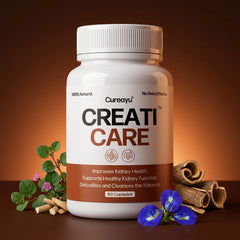
If you're focused on keeping your kidney and creatinine numbers in a healthy range as part of a wellness routine, CreatiCare brings together Ayurvedic herbs like Punarnava and Gokshura that are traditionally used to support healthy kidney function and natural detoxification. It's designed to complement — never replace — your doctor's advice, a sensible diet, and good hydration. If you take prescribed medication or have a diagnosed kidney condition, speak with your physician before adding any supplement.
Frequently Asked Questions
Is foamy urine always a sign of kidney problems?
No. Most foamy urine is caused by a fast stream, a full bladder, mild dehydration, or toilet-cleaner residue, and it settles quickly. Only persistent, thick foam that appears most of the time — especially with swelling or fatigue — needs a urine test.
How do I know if it's protein in my urine?
You can't be sure by looking alone. A simple urine dipstick or a urine albumin-to-creatinine ratio (ACR) test at any lab will confirm whether protein is present.
Can drinking more water reduce foamy urine?
If the foam is from concentrated urine due to mild dehydration, better hydration usually helps. If foam persists even when you're well-hydrated, get it checked rather than assuming.
Does foamy urine mean I have kidney disease?
Not on its own. Foam is a possible early clue, not a diagnosis. Many people with occasional foam have perfectly healthy kidneys.
Which Ayurvedic herbs are used for kidney support?
Punarnava, Gokshura (Gokhru), and Varuna are traditionally used to support healthy kidney and urinary function. They support a wellness routine and are not a treatment for kidney disease.
Should I stop eating protein if my urine is foamy?
No — never self-restrict protein. If a doctor confirms proteinuria, they'll guide you on the right amount for your situation.
Written & medically reviewed by Dr. Istuti, BAMS — an in-house Ayurvedic physician (Bachelor of Ayurvedic Medicine and Surgery) focused on kidney, urinary, and metabolic wellness.
Medically reviewed on 10 July 2026.
Disclaimer: This content is for educational purposes and is not a substitute for professional medical advice. Consult a qualified physician before starting any supplement, especially if you have a kidney/prostate condition or take medication.
Related reading: How to Lower Creatinine Naturally: Ayurvedic Steps · Normal Creatinine Levels by Age & Gender (Full Chart) · CreatiCare.
Disclaimer: Educational content, not a substitute for professional medical advice. Consult a qualified physician before starting any supplement.