High Uric Acid: Symptoms, Foods to Avoid & Ayurvedic Support

High Uric Acid: Symptoms, Foods to Avoid & Ayurvedic Support
That sudden throb in your big toe at 2 a.m., or a stiff, swollen joint that won't settle — for many Indians, the culprit turns out to be high uric acid. It's become one of the most common lifestyle-linked complaints, often searched as "uric acid kam karne ke upay."
This guide walks you through the warning signs, the everyday foods worth cutting back on, and the calm, Ayurveda-informed steps that support healthy uric acid levels — without fear-mongering and without false promises.
Key Takeaways
- High uric acid (hyperuricemia) means too much uric acid in the blood — broadly above ~7 mg/dL in men and ~6 mg/dL in women, though labs differ.
- Common signs include sudden joint pain (often the big toe), swelling, redness, and stiffness — classic gout — but many people have no symptoms at all.
- Diet matters: organ meats, red meat, shellfish, alcohol (especially beer), and sugary/fructose drinks are the usual triggers to limit.
- Ayurveda links it to ama and aggravated vata-pitta, and traditionally uses herbs like Giloy (Guduchi) and Gokshura to support healthy metabolism and joint comfort.
- Persistent high uric acid, recurring gout attacks, or kidney-stone history need a doctor — it's linked to both joints and kidneys.
What is uric acid — and when is it "high"?
Uric acid is a waste product your body makes when it breaks down purines, natural compounds found in your own cells and in many foods. Normally your kidneys clear it out. When you make too much or clear too little, it builds up in the blood.
As a rough guide, levels are often considered high above about 7 mg/dL in men and 6 mg/dL in women (premenopausal women tend to run lower). Ranges vary by lab, so always read your result against the range printed on your own report. Above these thresholds, the risk of gout and urate kidney stones rises — which is why it's worth taking seriously even before symptoms appear.
Symptoms of high uric acid
Many people with raised uric acid feel nothing for years. When symptoms do appear, they usually come from urate crystals settling in a joint or the urinary tract:
- Sudden, intense joint pain — classically the base of the big toe, often at night.
- Swelling, warmth, and redness over the joint; the skin may look shiny.
- Stiffness and reduced movement in the affected joint.
- Recurring attacks in the same or new joints (ankles, knees, fingers).
- Kidney-stone symptoms — sharp back or side pain, blood in urine — since excess urate can form stones.
A single ache isn't proof of gout, and gout isn't the only cause of joint pain. But a pattern of sudden, hot, swollen-joint attacks is worth a doctor's review and a blood test.
Foods to avoid (or limit) with high uric acid
The goal isn't a joyless diet — it's easing the purine and fructose load your body has to process:
- Organ meats — liver, kidney, brain (very high purine). Best avoided.
- Red meat and game — mutton, and rich meat gravies — keep occasional and small.
- Certain seafood — shellfish, prawns, sardines, and anchovies.
- Alcohol — especially beer and spirits; alcohol both raises production and slows clearance.
- Sugary drinks and fructose — soft drinks, packaged juices, and high-fructose sweets.
- Excess added sugar and heavily processed, fried snacks.
Foods and habits that help
- Water — good hydration helps the kidneys flush uric acid; aim for 6–8 glasses a day unless your doctor has restricted fluids.
- Low-fat dairy — milk and curd are associated with lower uric acid.
- Plenty of vegetables and fruit — cherries in particular have been studied for gout support; most vegetables are fine even if slightly higher in purine.
- Whole grains and plant proteins in sensible portions.
- Weight and blood sugar in a healthy range — both strongly influence uric acid.
- Move daily — gentle, regular activity beats occasional intense bursts.
The Ayurvedic perspective
Ayurveda reads high uric acid through the lens of ama (metabolic residue from weak digestion, or agni) and aggravated vata and pitta, producing what classical texts describe as vatarakta — a condition of impure blood settling in the joints. The approach is deepana-pachana (kindling digestion, clearing ama), a vata-pitta-pacifying diet, and gentle supportive herbs:
- Giloy / Guduchi (Tinospora cordifolia): traditionally used to support healthy metabolism and joint comfort.
- Gokshura / Gokhru (Tribulus terrestris): traditionally used to support urinary flow and healthy kidney function — helpful where uric acid and the kidneys intersect.
- Triphala: traditionally used to support gentle digestion and detoxification.
These are supportive wellness herbs, used as part of a routine alongside diet, hydration, and a doctor's guidance — not a replacement for prescribed gout medication.
When to see a doctor
Consult a qualified physician if you have:
- Recurring gout attacks, or a first attack of sudden hot, swollen-joint pain.
- A uric acid reading that stays high on repeat tests.
- A history of kidney stones or symptoms like sharp side pain and blood in urine.
- Diabetes, high blood pressure, or kidney concerns alongside raised uric acid.
If you've been prescribed uric-acid-lowering medicine, keep taking it as directed — don't stop it in favour of home remedies.
Where Uristal fits
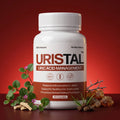
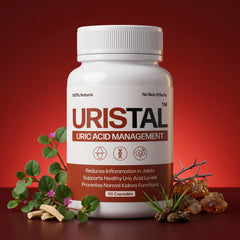
For those building a routine to support healthy uric acid levels, Uristal™ Uric Acid Capsules combine Ayurvedic herbs traditionally used to support healthy uric acid metabolism, joint comfort, and kidney function. Use it as one honest part of a bigger plan — diet and hydration first, herbs as support, and your doctor guiding treatment. It is a wellness supplement, not a treatment for gout or kidney disease.
FAQ
- What are the first signs of high uric acid? Often none for years. When symptoms appear, the classic first sign is a sudden, intense pain in the big toe joint — hot, red, and swollen — frequently at night. Recurring joint attacks are a common pattern.
- Which foods should I avoid with high uric acid? Limit organ meats, red meat, shellfish, alcohol (especially beer), and sugary or high-fructose drinks. Favour water, low-fat dairy, vegetables, and fruit like cherries.
- Uric acid kam karne ke gharelu upay kya hain? Stay well hydrated, cut back on purine-rich foods and alcohol, keep weight and blood sugar in check, and stay gently active. Ayurvedic herbs such as Giloy and Gokshura are traditionally used for support — ideally with a doctor's guidance.
- Is high uric acid dangerous for the kidneys? It can be. Excess uric acid may form urate kidney stones and is linked to kidney strain over time, which is why persistently high levels deserve medical review.
- Can Ayurveda help with high uric acid? Ayurveda offers supportive diet, lifestyle, and herbs (Giloy, Gokshura, Triphala) traditionally used to support healthy metabolism and joint comfort. These support wellness and are not a substitute for prescribed treatment where a doctor has advised it.
- How much water should I drink for high uric acid? For most adults, around 6–8 glasses a day helps the kidneys flush uric acid — unless your doctor has restricted your fluids.
Written & medically reviewed by Dr. Istuti, BAMS — in-house Ayurvedic physician at Cureayu. Dr. Istuti focuses on kidney, urinary, and metabolic wellness, translating classical Ayurvedic practice into safe, practical guidance for Indian households.
Medically reviewed on 9 July 2026.
Disclaimer: This content is for educational purposes and is not a substitute for professional medical advice. Consult a qualified physician before starting any supplement, especially if you have a kidney/prostate condition or take medication.
Disclaimer: Educational content, not a substitute for professional medical advice. Consult a qualified physician before starting any supplement.