Foods to Avoid When Creatinine Is High: An Indian Diet Guide

The lab report says your creatinine is high, and suddenly every meal feels like a question mark. Can I eat dal? Is pickle really that bad? What about milk?
Take a breath. Food alone didn't cause the number, and food alone won't fix it — but the right plate genuinely reduces the daily load on your kidneys. Here's a practical, Indian-kitchen guide to what's worth limiting, what's fine, and what to swap in — reviewed by our Ayurvedic doctor.
Key Takeaways
- The biggest dietary lever when creatinine is high is salt — pickles, papad, namkeen, and packaged foods are the main Indian culprits.
- Excess protein (especially large portions of red meat) can push creatinine up; moderate portions of dal and paneer are usually fine unless your doctor says otherwise.
- Star fruit (kamrakh) should be avoided completely if you have reduced kidney function — it can be harmful.
- Potassium and phosphorus limits are individual — they depend on your reports, so personalise with your doctor or dietitian rather than cutting fruit blindly.
- Diet supports healthy kidney function; it is not a treatment for kidney disease. Keep your doctor in the loop.
Why food matters when creatinine is high
Creatinine is a waste product your muscles make and your kidneys filter out. When the kidneys are under strain, everything they must process — extra salt, extra protein waste, extra minerals — adds to their workload.
A kidney-considerate diet doesn't "lower creatinine" like a switch. What it does is reduce the daily filtering burden, support blood pressure, and give your kidneys the calmest possible working conditions. That's why organisations like the National Kidney Foundation put diet at the centre of kidney care.
Foods to avoid or strictly limit
1. Salt-heavy staples: pickle, papad, namkeen, packaged food
This is the single most important change. Excess sodium raises blood pressure — the biggest long-term stress on kidneys — and causes fluid retention.
Watch out for: achar, papad, chutneys with salt, namkeen and bhujia, instant noodles, packaged soups, bakery items, and restaurant or delivery food. Cooking at home with measured salt (under a teaspoon a day across all meals, if your doctor agrees) and flavouring with lemon, jeera, and fresh herbs makes this easier than it sounds.
2. Large portions of red meat and processed meat
Cooked muscle meat contains creatine that converts to creatinine — so a mutton-heavy diet can directly nudge your number up, apart from being harder on the kidneys. Processed meats (salami, sausages) combine this with very high salt. If you eat non-veg, keep portions modest and prefer lightly cooked fish or chicken a few times a week over daily red meat.
3. Star fruit (kamrakh)
This one is non-negotiable: people with reduced kidney function should not eat star fruit. It contains a neurotoxin that healthy kidneys clear but weakened kidneys cannot. If your creatinine is high, simply skip it.
4. Creatine and "gym" protein supplements
Creatine powder directly raises creatinine, and casual high-dose protein powders add filtering load without a real need for most people. If you use them, tell your doctor — it may even be affecting your test reading.
5. Cola drinks and dark soft drinks
Many colas contain phosphoric acid, and excess phosphorus is a known concern in kidney health. Sugary drinks also feed weight gain and blood-sugar problems — two of the biggest upstream causes of kidney strain in India.
6. Very high-potassium foods — only if your reports say so
Coconut water, bananas, oranges, potatoes, and tomatoes are healthy foods — but when kidney function is significantly reduced, potassium can build up in the blood. Don't cut these blindly. Ask your doctor whether your potassium is high; if it is, they'll guide portions. If it's normal, over-restricting fruit and vegetables does more harm than good.
What to eat instead: the kidney-gentle Indian plate
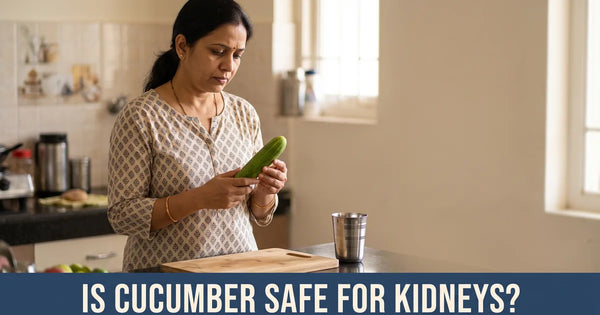
Build meals around: bottle gourd (lauki), ridge gourd (turai), parwal, cucumber, apple, papaya (in sensible portions), rice or roti in normal quantities, and a modest katori of dal. Use cold-pressed oils sparingly, and drink water spread evenly through the day — unless your doctor has set a fluid limit, in which case their number wins.
For a step-by-step routine beyond food, see our guide on how to lower creatinine naturally, and if you're still decoding your report, start with normal creatinine levels by age and gender.
The Ayurvedic perspective
Ayurveda has always treated the kidneys and urinary system (mutravaha srotas) as a channel to be kept flowing and unburdened. Classical texts like the Charaka Samhita and Bhavaprakasha Nighantu describe Punarnava (Boerhavia diffusa) — literally "one that renews" — and Gokshura (Tribulus terrestris) as herbs traditionally used to support healthy urinary flow and fluid balance.
The Ayurvedic dietary logic runs parallel to modern advice: light (laghu) foods, less salt, freshly cooked meals, and avoiding heavy, processed, and stale food to reduce ama (metabolic burden). It's the same direction, described in an older language.
When to see a doctor
Please see a physician promptly — don't rely on diet alone — if your creatinine is rising across repeat tests, or you notice swelling in the feet or face, foamy urine, reduced urine output, breathlessness, or persistent fatigue. If you have diabetes or high blood pressure, regular kidney testing matters even when you feel fine. And never stop a prescribed medicine on your own.
How CreatiCare fits in
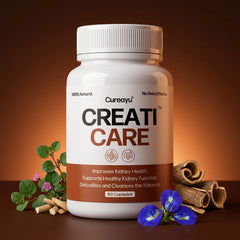
Alongside a sensible diet, some families like adding traditional herbal support. CreatiCare™ Creatinine Capsules combine Punarnava, Gokshura, and other classical herbs traditionally used in Ayurveda to support healthy kidney function and detox. It's a supplement, not a medicine — it works best as part of the whole routine above, with your doctor's knowledge.
FAQ
-
Is rice bad when creatinine is high?
No — plain rice in normal portions is generally kidney-gentle and low in potassium and phosphorus. The problem is what's around it: salty pickles, papad, and heavy fried sides. Keep portions sensible and the plate simple. -
Can I drink milk if my creatinine is high?
Usually yes, in modest amounts (about one cup a day) unless your phosphorus is high or your doctor restricts it. Milk contains protein and phosphorus, so moderation matters more than avoidance. -
Is coconut water good or bad for high creatinine?
It depends on your potassium. Coconut water is potassium-rich — fine for most healthy people, but risky if your kidney function is reduced and potassium is elevated. Check your report with your doctor first. -
Which fruits should be avoided when creatinine is high?
Avoid star fruit (kamrakh) completely. Limit very high-potassium fruits like bananas, oranges, and chikoo only if your blood potassium is high. Apples, papaya, and guava in sensible portions are usually good choices. -
Does drinking more water lower creatinine?
Correcting mild dehydration can bring a falsely raised creatinine back down, and steady hydration supports kidney filtration. But flooding yourself doesn't "flush out" kidney disease — and if you're on a fluid restriction, follow your doctor's limit. -
Kya high creatinine mein dal khana chahiye?
Haan, aam taur par ek katori dal roz theek hai — problem zyada quantity aur zyada namak se hoti hai. Agar aapki kidney report advanced stage dikhati hai, to protein ki exact matra apne doctor ya dietitian se tay karein.
Written & medically reviewed by Dr. Istuti, BAMS— in-house Ayurvedic physician at Cureayu, focused on kidney and metabolic wellness through classical Ayurveda and practical Indian diet guidance.
Medically reviewed on 10 July 2026.
> **Disclaimer:** This content is for educational purposes and is not a substitute for professional medical advice. Consult a qualified physician before starting any supplement, especially if you have a kidney/prostate condition or take medication.
Disclaimer: Educational content, not a substitute for professional medical advice. Consult a qualified physician before starting any supplement.