Is Dal Good for Kidney Patients? An Indian Diet & Protein Guide
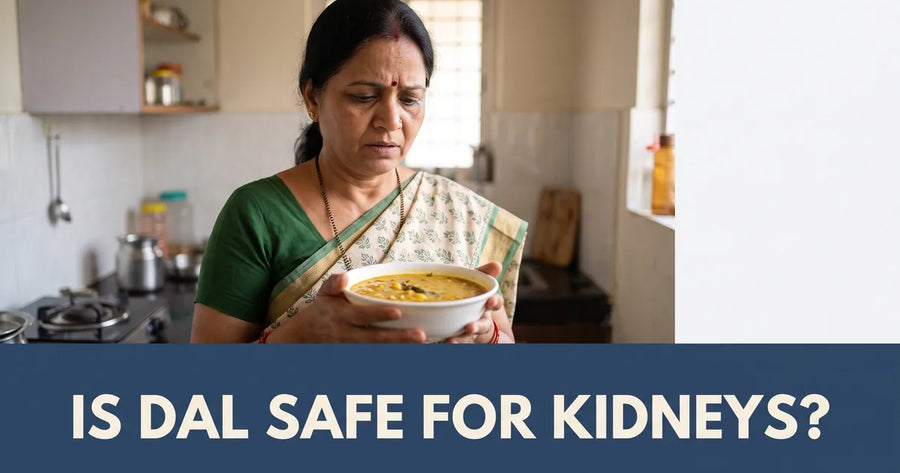
Is Dal Good for Kidney Patients? An Indian Diet & Protein Guide
If your creatinine report just came back high, one of the first worries at the dinner table is usually dal. It is the heart of almost every Indian thali — but you may have heard that “protein is bad for kidneys.” So which is it? Should you give up your daily katori of dal, or keep it?
The honest answer is: it depends on your stage, your reports, and how much you eat — not on a simple yes or no. Let's walk through it calmly.
Key Takeaways
- Dal is not “banned” for most people with early kidney concerns — but portion size matters more than the food itself.
- Kidney-friendly eating usually means eating the right amount of protein, not zero protein. Too little protein can be harmful too.
- As kidney function drops, doctors often suggest shifting toward plant proteins like dal, which produce less waste (urea) than red meat.
- Potassium and phosphorus in some pulses matter if your levels are high — this is why a personalised chart from your doctor or renal dietitian beats any generic rule.
- Ayurvedic herbs like Punarnava and Gokshura are traditionally used to support healthy kidney function alongside — not instead of — a balanced diet and medical care.
First, why does protein get blamed for kidney problems?
Your kidneys filter waste from the blood. When you digest protein, one of the leftover waste products is urea, and creatinine also reflects how well the kidneys are clearing waste. If the kidneys are already under strain, a very high protein load makes them work harder.
That is the real reason doctors talk about protein — not because protein is “poison,” but because the amount has to match what your kidneys can comfortably handle.
Here's the balance most people miss: eating too little protein is also a problem. It can lead to muscle loss, weakness and poor immunity. The goal is the right amount for your kidneys — which is exactly why this is a doctor's call, not a WhatsApp-forward rule.
So, how much protein is “right”?
For general guidance, kidney bodies like the National Kidney Foundation describe moderate protein intake for people with reduced kidney function — often in the range of roughly 0.6–0.8 grams of protein per kilogram of body weight per day for non-dialysis chronic kidney disease, adjusted by stage and whether you have diabetes (National Kidney Foundation, American Kidney Fund – Kidney Kitchen).
People on dialysis are usually advised to eat more protein, not less. So the number genuinely flips depending on your situation — a reminder that your nephrologist or renal dietitian must set your target, using your actual weight and reports.
To make it concrete: for a 60 kg adult in early CKD, that can work out to roughly 36–48 g of protein spread across the whole day — and a katori of cooked dal has only a modest share of that. This is why total portions across the day matter more than banning one food.
Is dal actually a good protein choice for kidneys?
For many people, yes — in the right portion. Here's why plant proteins like dal often earn a place on the kidney-friendly plate:
They produce less waste. Once kidney filtration (GFR) starts to fall, guidelines note it is often better to lean toward plant-based proteins, because they tend to break down into less urea than animal proteins such as red meat (DaVita – CKD and Protein).
They come with fibre and less saturated fat, which supports heart health — and heart and kidney health are closely linked.
They fit the Indian plate — dal, roti, sabzi and rice is a format most families can adjust rather than abandon.
The catch is potassium and phosphorus. Some pulses and their preparations can be higher in these minerals, which matters if your blood potassium or phosphorus is already high. That is a personal number from your report — not a reason for everyone to fear dal.
Practical, Indian-kitchen steps
Small, realistic changes beat dramatic ones you can't sustain:
- Mind the katori, not just the dal. One moderate serving (about a small katori of cooked dal) is very different from three helpings plus rajma plus paneer in one meal. Spread protein across the day.
- Prefer lighter, easier-to-digest pulses. Moong dal and masoor dal are often gentler choices than heavy rajma or chana for those watching their load — but confirm with your dietitian based on your potassium.
- Try “double boiling” / leaching for high-potassium foods. Soaking and discarding the cooking water can lower the potassium content of some pulses and vegetables — useful only if your potassium is high.
- Go easy on salt and pickles. Excess sodium strains blood pressure and kidneys far more than a normal katori of dal ever will. See our guide on how much salt is safe for kidney health.
- Cook it simply. Less deep-fried tadka, less cream. A light tempering with jeera, haldi and hing keeps it kidney-gentle.
- Pair with the right sides. Balance your plate using ideas from our kidney-friendly Indian vegetarian diet chart and best vegetables for kidney patients.
The Ayurvedic perspective
Classical Ayurveda has always treated food as the first medicine. Pulses (mudga – moong especially) are considered laghu (light) and easier on digestion, which is why moong dal khichdi is a traditional recovery food across India.
Ayurveda's focus is on protecting agni (digestive fire) so that food is properly assimilated and less ama (metabolic waste) is produced — a philosophy that sits neatly beside the modern idea of reducing waste load on the kidneys.
Certain herbs are traditionally used to support healthy kidney and urinary function, including Punarnava (Boerhavia diffusa), long used in classical texts for fluid balance, and Gokshura (Tribulus terrestris), traditionally used to support the urinary system. You can read more in our guides on Punarnava for kidney health and Gokshura benefits.
These are supportive traditions, not replacements for medical treatment or a prescribed diet.
When to see a doctor
Please speak to a doctor or renal dietitian — and don't self-restrict protein — if you:
- Have a confirmed CKD stage or a steadily rising creatinine/urea,
- Are on dialysis (your protein needs are different and usually higher),
- Have high potassium or phosphorus on your reports,
- Are diabetic or have high blood pressure alongside kidney concerns,
- Notice swelling, unusual tiredness, foamy urine or reduced urine output.
A personalised plan is always safer than a blanket “eat dal / don't eat dal” rule.
How CreatiCare fits
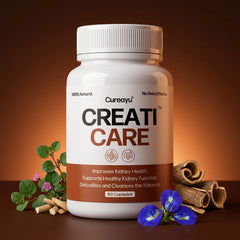
Alongside a doctor-guided diet, CreatiCare is our Ayurvedic formulation with herbs like Punarnava and Gokshura that are traditionally used to support healthy creatinine levels and kidney function as part of a wellness routine. It is meant to complement — never replace — your prescribed treatment, balanced diet and your doctor's advice. If you take medication or have a diagnosed kidney condition, check with your physician before starting any supplement.
FAQ
Q: Can kidney patients eat dal every day? Many people with early kidney concerns can include a moderate daily portion of dal, because total daily protein and portion size matter more than the single food. If you have advanced CKD, high potassium, or are on dialysis, your dietitian should set your exact allowance.
Q: Which dal is best for kidney patients? Lighter, easier-to-digest pulses like moong and masoor are often preferred over heavy rajma or chana. The “best” choice still depends on your potassium and phosphorus levels, so personalise it with your doctor.
Q: Does eating dal raise creatinine? A normal katori of dal is unlikely to meaningfully raise creatinine in most people. Very high overall protein intake can add to the kidneys' waste load, which is why portion control across the day is the key, not fear of one food.
Q: Should kidney patients stop eating protein completely? No. Too little protein causes muscle loss and weakness. The goal is the right amount for your kidney function, set by your doctor or renal dietitian.
Q: Is moong dal good for kidney patients? Moong dal is traditionally valued as a light, easily digestible pulse and is often a gentle choice. Keep the portion moderate and confirm with your dietitian if your potassium is high.
Q: Are plant proteins better than meat for kidneys? Once kidney function declines, plant proteins like dal are often favoured because they tend to produce less urea than red meat, and come with fibre. Balance and portion still matter.
Written & medically reviewed by Dr. Istuti, BAMS — in-house Ayurvedic physician at Cureayu. Dr. Istuti focuses on kidney, urinary and metabolic wellness, and reviews every Cureayu health article for accuracy and compliance.
Medically reviewed on 18 August 2026.
Disclaimer: This content is for educational purposes and is not a substitute for professional medical advice. Consult a qualified physician before starting any supplement, especially if you have a kidney/prostate condition or take medication.
Sources - National Kidney Foundation — Nutrition & protein guidance: https://www.kidney.org/ - American Kidney Fund, Kidney Kitchen — Protein: https://kitchen.kidneyfund.org/protein/ - DaVita — Chronic Kidney Disease (CKD) and Protein: https://www.davita.com/diet-nutrition/kidney-diet-tips/chronic-kidney-disease-ckd-and-protein - NIH/PMC — Dietary Protein Intake and Chronic Kidney Disease: https://pmc.ncbi.nlm.nih.gov/articles/PMC5962279/
Disclaimer: Educational content, not a substitute for professional medical advice. Consult a qualified physician before starting any supplement.